Color as Theological and Social Language in ancient Cypriot art involved the deliberate use of hues to convey concepts of divinity, societal roles, and human experience. Red often symbolized fertility and vital energy, black represented mourning or the mysteries of the afterlife, and gold evoked divine authority. Artists selected these colors with intent, transforming ordinary objects into carriers of profound messages that continue to reveal insights into the island’s cultural and spiritual world.
A Palette Rich in Symbolism
Ancient Cypriot art employed colors as a form of communication, where each shade carried layers of theological and social significance. Far from mere embellishment, these choices reflected a sophisticated system in which hues expressed ideas of sanctity, power, grief, or renewal. Influenced by the island’s position as a crossroads of Eastern and Western traditions, colors served to link everyday life with deeper spiritual realities, creating a visual language that resonated across communities and generations.
Origins and Development in Cypriot Art
The use of color in Cypriot art dates to prehistoric periods, beginning around 4000 BC during the Chalcolithic era, when natural pigments derived from earth, minerals, and plants were applied to figurines and pottery. Red ochre, sourced from local soils, appeared frequently in cave markings and on ritual objects, associated with blood, life force, and regenerative power. As trade expanded in the Bronze Age around 2500 BC, imported pigments from Egypt and the Levant introduced blues and greens, which blended with indigenous practices to enrich symbolic expressions.
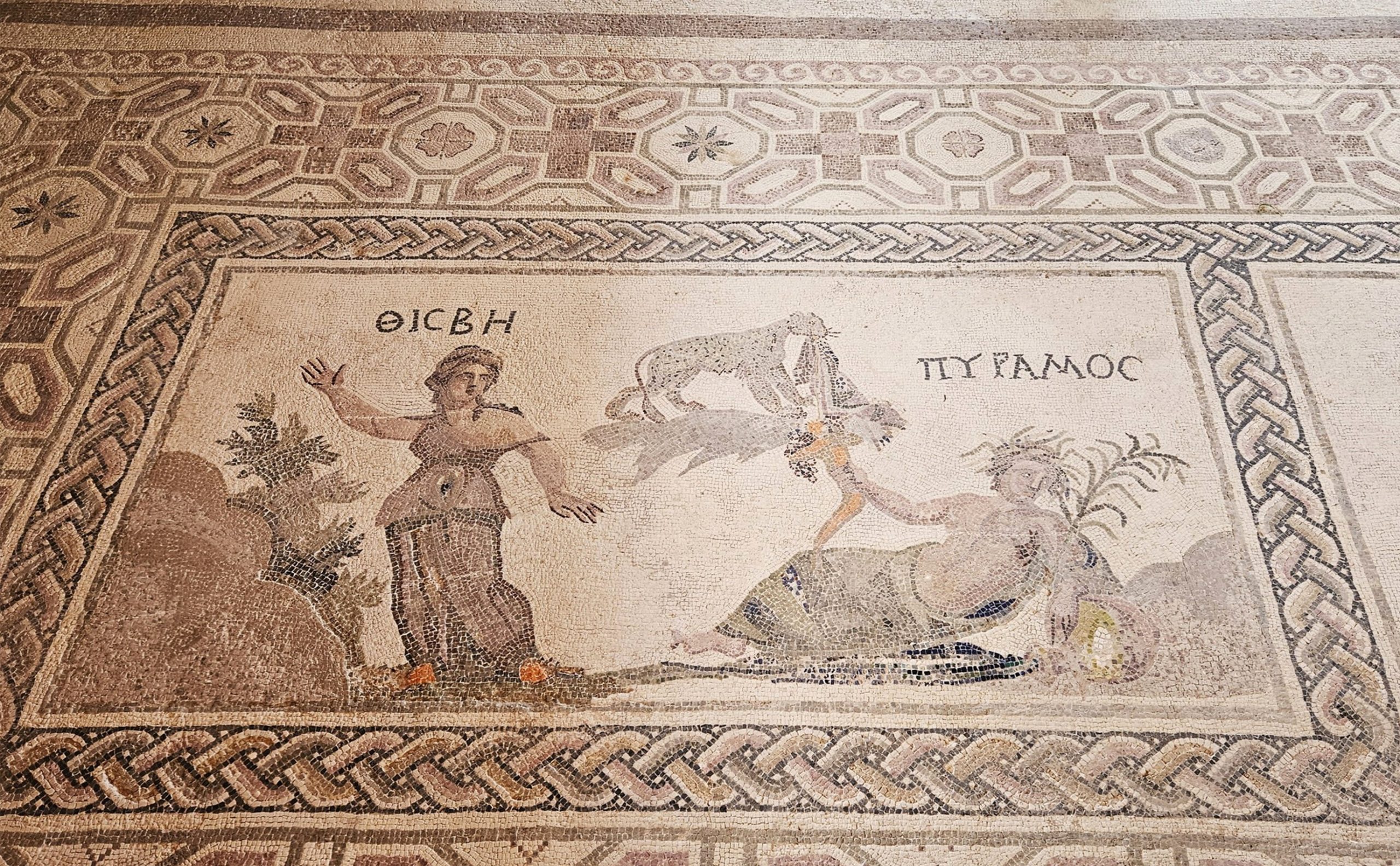
Greek influences arriving after 1200 BC incorporated colors tied to mythological narratives, such as the rosy tones evoking Aphrodite’s dawn-like emergence. Under Persian administration from 525 BC, Eastern palettes added depth, with gold and deep reds signifying imperial and divine hierarchies. Roman rule from 58 BC further diversified the spectrum, as vibrant mosaics combined these with Mediterranean hues. Throughout these phases, colors retained their core symbolic roles, adapting to shifting religious and social contexts while maintaining continuity with Cyprus’s agrarian and spiritual heritage.
Colors Expressing Power and Sanctity
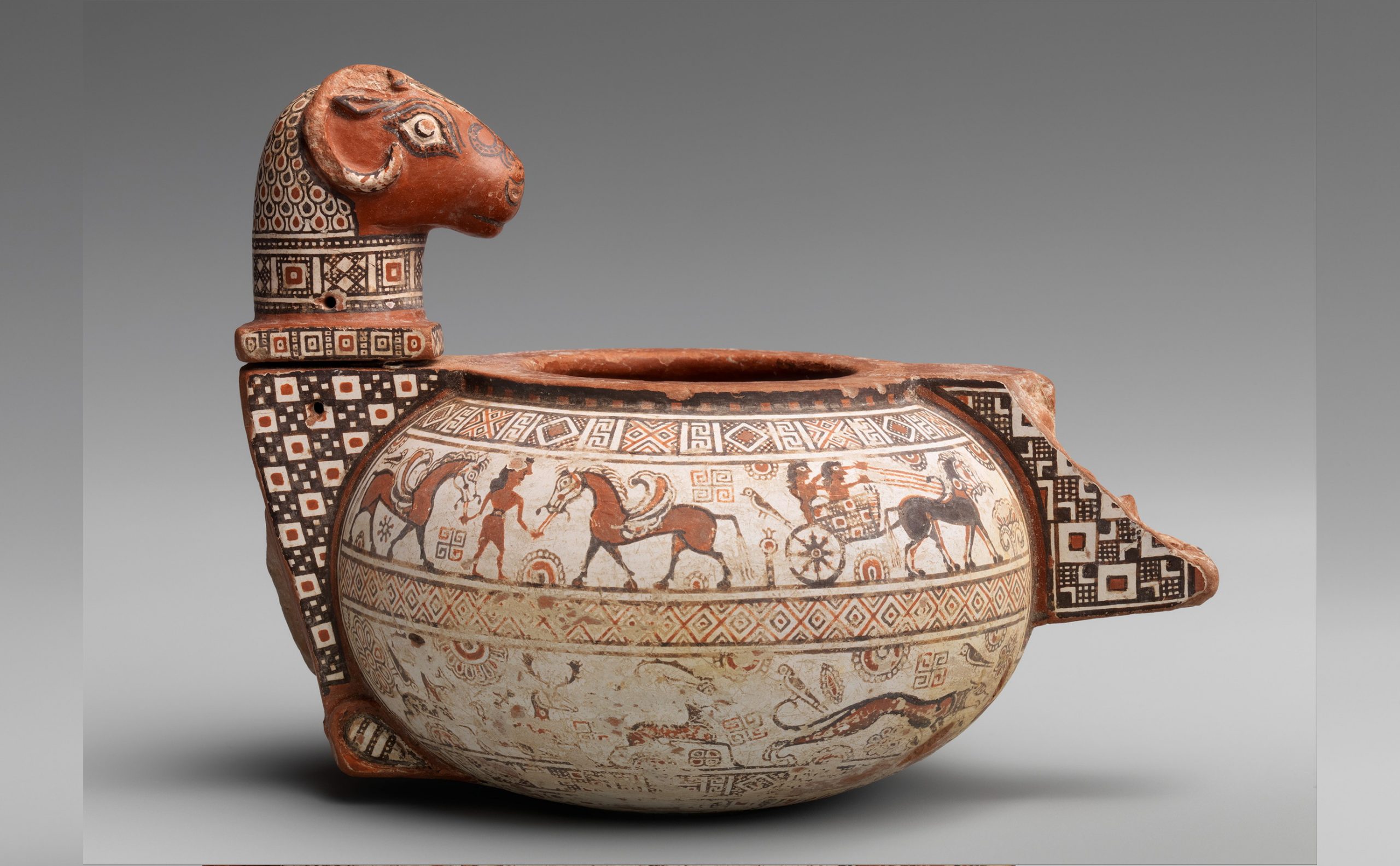
Red held a prominent place, frequently denoting power, sanctity, and the essence of life. Bold red lines on pottery or statues emphasized vitality and divine blood, often appearing in temple contexts to invoke strength and protection. In representations of deities like Aphrodite, red accents highlighted themes of passion and creation, reinforcing the goddess’s role in fertility and renewal.
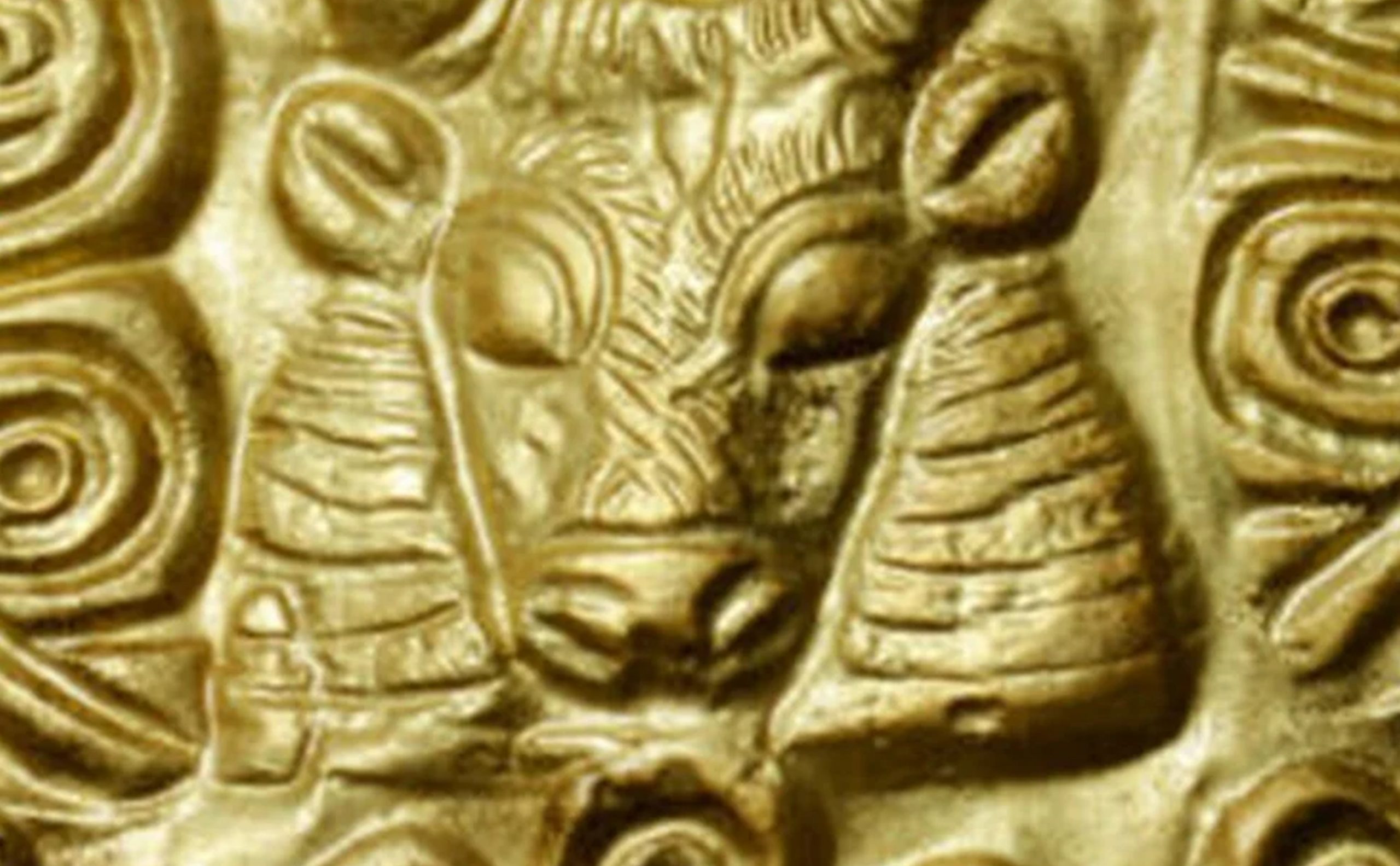
Black conveyed solemnity and the unknown, commonly used in grave goods or funeral scenes to mark mourning and the transition to the afterlife. Dark borders or shadowed figures in artworks framed narratives of loss, providing a visual language for communal grief. Gold, with its enduring luster and rarity, symbolized divine presence and eternal authority, adorning crowns, jewelry, and sacred icons to link rulers or priests with heavenly favor. Blue, derived from expensive imports, suggested the sea’s fertile depths or the sky’s vastness, adding a sense of calm holiness to ritual objects. Green emerged in harvest motifs, representing growth and seasonal rebirth, tying directly to the island’s agricultural cycles.
Intriguing Narratives Encoded in Hues
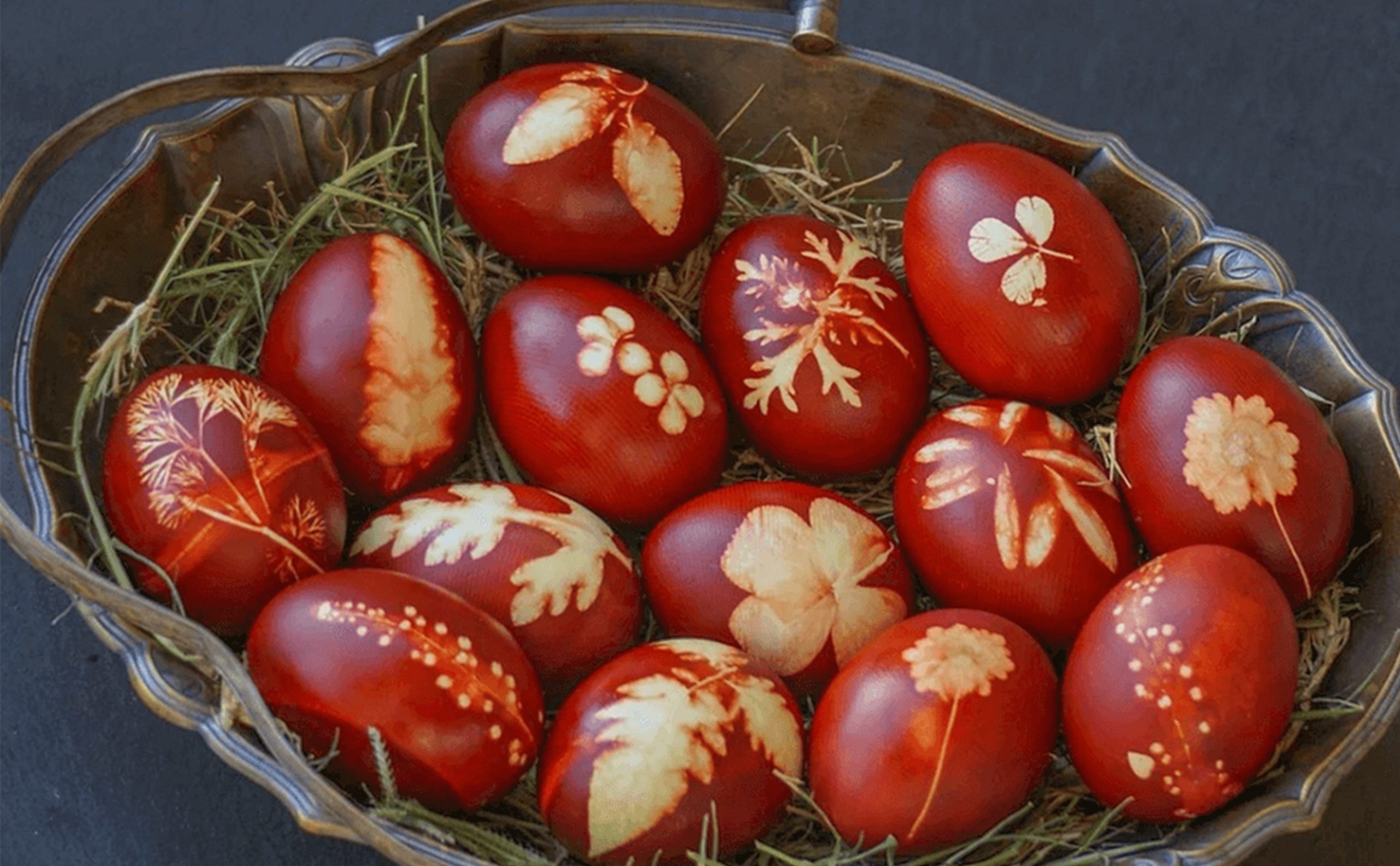
Certain applications of color reveal captivating aspects of Cypriot culture. The tradition of red-dyed eggs during Easter, a Christian practice, draws from ancient uses of red ochre on fertility symbols, where the act of cracking represents the emergence of new life. Black, while typically somber, occasionally framed heroic or triumphant scenes on pottery from around 1000 BC, suggesting a symbolic embrace of life’s uncertainties as part of greater adventures.
Gold featured in legends of Aphrodite’s orchards, where artists applied gold leaf to fruit motifs in artworks to evoke divine allure and temptation. Blue glass beads, scarce before Roman times, served as amulets against misfortune, their oceanic tones drawing on associations with protective waters. These examples illustrate how colors functioned as narrative devices, embedding cultural stories within visual forms.
Symbolic and Theological Dimensions in Society
Colors in Cypriot art intertwined theology with social structures. Red’s connection to fertility extended beyond imagery, appearing in rituals where red earth was scattered on fields to invoke bountiful harvests, merging communal needs with divine intervention. Black facilitated shared mourning, as seen in funeral art that helped communities process loss and honor the deceased through symbolic depth.
Gold’s radiance distinguished the elite, evident in royal tombs where golden masks portrayed leaders as semi-divine, upholding social hierarchies. Blue and green, linked to natural elements, underscored balances in the cosmos, often featured in harvest depictions to express gratitude and plea for equilibrium between earth and sky. External influences, such as Egypt’s sacred blues symbolizing eternity or Greece’s golden auras for heroism, were integrated, but Cypriot adaptations ensured colors aligned with local interpretations of divinity and society. This system transformed art into a mirror of collective values, where hues navigated the intersections of faith, status, and existence.
Persistence in Contemporary Cypriot Traditions
Ancient color symbolism endures in modern Cypriot practices, adapted through layers of historical change. Red eggs at Easter maintain associations with life and resurrection, bridging prehistoric fertility rites with Christian observance. Black attire in mourning rituals continues to foster communal solidarity, much as it did in antiquity.
Gold remains prominent in weddings, symbolizing divine blessings and enduring unions. Contemporary artists incorporate blues and greens in works addressing environmental themes, drawing on sea and growth motifs to advocate for the island’s natural harmony. Festivals feature colorful parades that echo historical uses, preserving a visual language of shared heritage in an evolving society.
Paths for Exploring These Colors
Experiencing this symbolic use of color is accessible across Cyprus. The Cyprus Museum in Nicosia houses pottery and statues vibrant with reds and golds, with guided tours available to explain their meanings; entry is affordable, and visits are recommended on weekdays for quieter exploration. The mosaics at Paphos Archaeological Park display blues and greens in sea scenes, accessible via self-guided walks with informational panels; plan for early mornings to avoid midday heat.
Village churches, such as those in the Troodos Mountains, feature icons blending ancient sanctity with contemporary hues; many are open daily without charge, though modest attire is advised. Casual tours organized through local cultural centers offer insights into color symbolism, often at low cost. Conversations with residents in areas like Larnaca can provide personal perspectives on traditions like Easter egg dyeing.
A Timeless Visual Language
Color as theological and social language in Cypriot art demonstrates how deliberate hues conveyed profound concepts of power, sanctity, fertility, mourning, and divine presence. This system, rooted in the island’s cultural intersections, transformed artworks into carriers of collective meaning. Its persistence highlights the enduring role of color in expressing human experience, offering a lens through which Cypriot heritage continues to resonate.