About Us

Our website is the product of a passionate team deeply devoted to Cyprus and its rich history. Empowered by Sergey Matsotskiy and headed by Michael Dubilet, our project was made possible by specialists – historians, oceanologists, geologists, and writers – dedicated to uncovering and sharing the island’s lesser-known treasures. Among our creative team are: Kostantin Solovyov, Vasily Papkovskiy, Konstantinos Panayi and many others.

Explore our top stories and discover ideas worth your time.

Madari Peak

Madari Peak

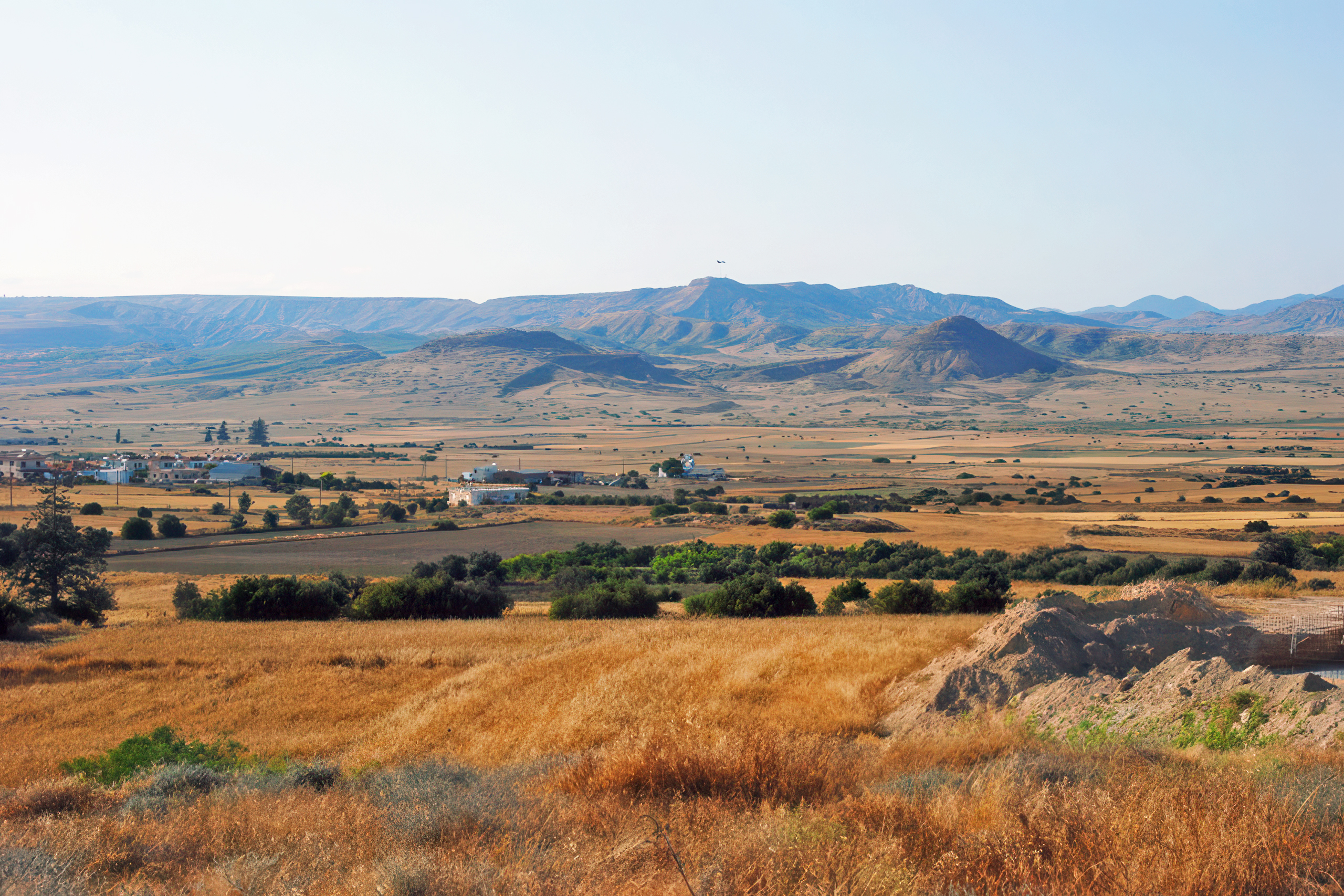
Madari Peak rises to 1,613 metres in the eastern Troodos Mountains, crowned by a fire lookout tower that watches over one of Cyprus's most popular hiking destinations. Madari forms part of Mount Adelfoi in the vast Adelfoi Forest, a protected area of dense pine, cedar, and oak trees covering over 120 square kilometres. thepalmiers-com The peak sits between the Nicosia and Limassol districts, accessible from villages like Kyperounta, Spilia, and Chandria that cluster on the lower slopes. Unlike Mount Olympus, which attracts visitors mainly for its summit status, Madari draws hikers for its dramatic rock formations, exceptional viewpoints, and network of interconnected trails that suit different fitness levels. The fire lookout station at the summit provides 360-degree views across the island. On clear days, the panorama extends from the Mesaoria Plain to the north, where Morphou Bay meets the sea, across to the central Troodos range in the west, and down to southern villages and coastline. The station remains operational, part of Cyprus's forest fire prevention system, but visitors can climb to viewing platforms that offer the same sweeping perspectives. Historical Background The Troodos Mountains emerged approximately 92 million years ago as part of the Troodos Ophiolite Complex, uplifted oceanic crust from the ancient Tethys Ocean. Madari consists of the same serpentinized harzburgite rock found throughout the range, representing mantle…

Read more
Carob Tree At Cyprus Hillsides

Carob Tree At Cyprus Hillsides

High on the sun-baked slopes where the Mediterranean breeze carries the scent of wild herbs, a sturdy evergreen stands like an old friend its broad crown offering shade and its long, chocolate-brown pods dangling like nature’s own candy bars. Meet the carob tree, a quiet giant of the Cypriot landscape that has sweetened island life for thousands of years. www.inaturalist.org A Hardy Member of the Legume Family Known scientifically as Ceratonia siliqua, this evergreen tree belongs to the Fabaceae family (the pea and bean clan) within the broader order Fabales. In Cyprus it is a classic component of the maquis and garigue shrublands, thriving alongside olives, pistachios and pines. Reaching up to 15 metres with a rounded crown and rough, dark bark, it is perfectly adapted to the island’s dry summers and mild winters. Ancient Companion of Cyprus Forests Long before vineyards or pine plantations covered the hills, carob trees formed part of the island’s original woodland cloak. Early naturalists described vast Mediterranean forests where carob mingled with myrtle, arbutus and pistachio on slopes that later became maquis after centuries of grazing and clearing. In the 19th century, British foresters noted its presence in degraded shrublands, while local tradition has always celebrated the tree’s resilience — plant an olive for your children, the saying goes, but plant a carob for…

Read more
Famagusta Martinengo Bastion

Famagusta Martinengo Bastion

In the northwest corner of Famagusta's historic walled city stands one of the Mediterranean's most impressive examples of Renaissance military architecture. The Martinengo Bastion, also known as Tophane, represents a turning point in defensive technology and remains a testament to 16th-century engineering brilliance. visitncy.com When the Republic of Venice took control of Cyprus in 1489, military engineers quickly recognized a serious problem. The existing fortifications throughout the island were outdated and vulnerable to modern artillery. Medieval walls, built tall and thin to defend against siege towers and scaling ladders, could not withstand the devastating impact of cannon fire. Famagusta presented a particular challenge. As Cyprus's main port and commercial hub, the city required strong defenses. Yet its northwest corner remained especially weak, creating a dangerous gap in the defensive perimeter. The Venetians understood that this vulnerability could prove fatal if the Ottoman Empire decided to expand its territory into Cyprus. Giovanni Girolamo Sanmicheli Takes Command In 1550, the Venetians brought in Giovanni Girolamo Sanmicheli, nephew of the renowned fortification architect Michele Sanmicheli of Verona, to redesign Famagusta's defenses. The younger Sanmicheli arrived with experience in the latest military engineering techniques and an understanding of how warfare had evolved. wikipedia.org Construction took approximately nine years. Sanmicheli died in Famagusta in 1559 before seeing his masterwork completed, but his vision resulted in…

Read more