Cyprus holds a vast array of cultural sites that serve as perfect subjects for professional photography. These locations reflect thousands of years of human history and architectural evolution. Photographers find a wealth of visual material in the ancient stone structures and narrow streets.
The island possesses a unique light that enhances the textures of historical masonry and marble. Each site offers a different perspective on the past through its ruins and preserved buildings. This guide provides a detailed look at the most significant cultural locations for high-quality imagery.
A professional approach to these sites requires an understanding of their historical context and physical layout. Precise angles and careful timing lead to the best photographic results. This article explores seven key destinations that define the cultural landscape of the island today.
8 Best Cultural Sites for Photography
If you’re planning a photography trip to Cyprus, prioritize sites like Famagusta Gate, the Kolossi Castle, and the Sanctuary of Apollo Hylates. These locations offer diverse backdrops, from coastal views to intricate medieval architecture. They’ll definitely ensure a rich portfolio that captures the island’s layered cultural and historical narratives.
1. Famagusta Gate Nicosia
Famagusta Gate stands as the most impressive entrance among the three original gates of the Venetian walls in Nicosia. The architecture features a large dome that allows natural light to enter the central passage in a dramatic fashion. This circular opening creates a spotlight effect on the stone floor which changes throughout the day. Photographers often use this natural beam to highlight specific textures in the ancient masonry.
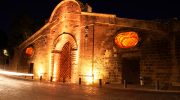
The facade of the gate displays a classic Renaissance style with intricate details carved into the limestone. These carvings remain well preserved and offer excellent opportunities for close up shots. The symmetry of the entrance provides a balanced frame for wide angle compositions. Within the walls the atmosphere feels quiet and heavy with history which translates well into black and white photography.
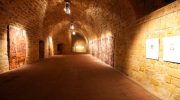
The gate sits at a point where the old city meets the modern expansion. This location allows for a visual contrast between the sturdy historical walls and the contemporary life outside. The large wooden doors at the entrance add a rustic element to the scene. The height of the gate ensures that it stays visible from various points in the surrounding area. It serves as a testament to the military architecture of the sixteenth century.
2. Limassol Castle
Limassol Castle occupies a central position near the old harbor and has a rich history that dates back to the Byzantine era. The current structure reflects several phases of reconstruction by the Lusignans and the Ottomans. Its thick stone walls and narrow slit windows create a sense of defensive strength. The courtyard provides a spacious area where the light hits the stones at various angles to reveal their rough surfaces.
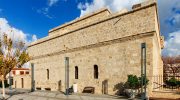
The interior of the castle now houses the Cyprus Medieval Museum which contains numerous artifacts. Stone tombstones and religious icons offer detailed subjects for macro photography. The spiral staircases lead to the roof where a panoramic view of the city and the sea awaits. This vantage point is ideal for landscape shots that capture the urban sprawl of Limassol against the blue Mediterranean.
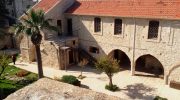
The castle grounds feature small gardens and stone paths that lead visitors around the perimeter. These outdoor areas provide a variety of backdrops from heavy iron gates to soft green foliage. The low light inside the vaulted rooms challenges the photographer to use shadows to create depth. This site is a primary choice for those who wish to capture the medieval essence of the island.
3. Kourion Amphitheatre Limassol
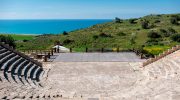
Kourion Amphitheatre is a magnificent example of Greco Roman architecture perched on a cliffside. The semi circular structure faces the sea and offers one of the most spectacular views in Cyprus. The rows of stone seats create a rhythmic pattern that leads the eye toward the central stage area. This geometry is a favorite for photographers who appreciate clean lines and structural harmony.
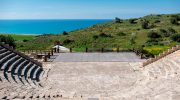
The theatre was originally built in the second century before the common era and later expanded. Its preservation allows for a clear understanding of how ancient crowds gathered for entertainment. The sun hits the limestone seats and creates a bright glow during the midday hours. As the sun sets the shadows stretch across the stage and add a dramatic flair to the site.
The proximity to the ocean means that the background of every shot includes the horizon line. The contrast between the ancient grey stone and the deep blue water is visually powerful. Nearby ruins of villas with mosaic floors provide additional subjects for photography. These mosaics contain intricate patterns and mythological scenes that require a steady hand to capture.
4. Kolossi Castle Limassol
Kolossi Castle stands as a fine example of military architecture from the time of the Crusaders. This square tower was a former stronghold of the Knights of St. John and the Knights Templar. The exterior is simple and imposing with few decorative elements to distract from its solid form. Photographers find that the sharp corners and flat surfaces of the castle create strong shadows under the bright sun.
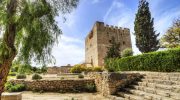
The entrance features a drawbridge mechanism that remains a focal point for many images. Inside the main hall the fireplace and the vaulted ceilings provide a glimpse into the life of the knights. The stone walls are remarkably thick and keep the interior cool even in the heat of summer. A narrow staircase leads to the roof where the surrounding vineyards and olive groves become visible.
The area around the castle includes the ruins of an old sugar factory and a large well. These secondary structures offer additional textures and shapes for a complete photo session. The rural setting provides a peaceful background without the distractions of modern city life. This site is essential for any photographer interested in the history of the Crusades in the eastern Mediterranean.
5. Old Town Nicosia
Old Town Nicosia is a maze of narrow streets and traditional houses that reflect centuries of diverse cultural influences. The architecture features wooden balconies and large stone doorways that open into hidden courtyards. These private spaces often contain lush plants and small fountains that provide a soft contrast to the urban heat. The variety of colors on the window shutters and doors adds a vibrant palette to every street scene.

The area is full of small craft shops and traditional coffee houses where local life unfolds. These daily activities offer chances for candid photography that captures the soul of the city. The light in the narrow alleys is often filtered and soft which is ideal for portrait work. The mixture of Gothic churches and Ottoman mosques creates a skyline that is unique to this divided capital.
Pedestrian zones allow for a slow pace that helps a photographer to spot small details like iron door knockers or ornate stonework. The walls of the old city wrap around this district and provide a constant historical reference. Every corner reveals a new layer of history from Venetian fortifications to British colonial buildings. It is a place where the past and the present exist in a delicate balance.
6. Sanctuary of Apollo Hylates
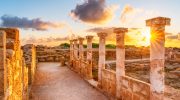
The Sanctuary of Apollo Hylates was a major religious center dedicated to the god of the woodland. It sits near the Kourion archaeological site and features the remains of a monumental temple. The tall columns of the temple have been partially restored and stand as a vertical anchor in the landscape. These columns provide a sense of scale and grandeur that is hard to find elsewhere.
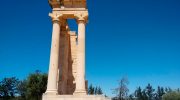
The site includes various rooms for pilgrims and a large courtyard for rituals. The stone paths are lined with the foundations of ancient structures that show the complexity of the sanctuary. Small trees and bushes grow among the ruins to create a natural and wild atmosphere. The light in the early morning is particularly beautiful here as it hits the temple facade from a low angle.
The surrounding forest adds a green border to the site and emphasizes the connection to nature. Photographers can capture the play of light through the leaves and onto the ancient stones. The quiet nature of this location allows for a focused and peaceful session. It is a site that requires patience to find the best angles that respect the sacred history of the space.
7. Kition Archaeological Site Larnaca
Kition Archaeological Site reveals the remains of an ancient city kingdom with roots in the thirteenth century before the common era. The most prominent features are the massive walls made of giant stone blocks. These cyclopean walls are a marvel of ancient engineering and provide a rugged subject for photography. The site also contains several temples that show the influence of different cultures over time.
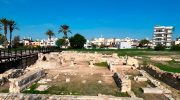
The archaeological pits allow for a top down view of the street plans and the foundations of homes. This perspective offers a graphic look at the urban design of a past civilization. The site is located within the modern city of Larnaca which creates a stark contrast between ancient ruins and modern apartments. This juxtaposition is a common theme in the photography of Cyprus.
Information boards at the site explain the significance of each area and help the photographer to identify key features. The lack of large crowds makes it possible to take wide shots without people in the frame. The textures of the various types of stone used in construction provide a rich visual experience. This location is a must for those who want to document the very early history of the island.
Summary of Historical Highlights
The cultural heritage of Cyprus is a vast resource for any professional photographer. From the military strength of Kolossi Castle to the artistic beauty of the Kourion Amphitheatre, the island offers endless variety. These sites provide a factual record of the past while offering a canvas for modern creativity. A visit to these seven locations ensures a comprehensive photographic record of the rich history of Cyprus.