Explore Cyprus with Our Interactive Map

Explore our top stories and discover ideas worth your time.

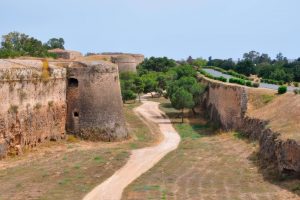
Famagusta Martinengo Bastion

Famagusta Martinengo Bastion

In the northwest corner of Famagusta's historic walled city stands one of the Mediterranean's most impressive examples of Renaissance military architecture. The Martinengo Bastion, also known as Tophane, represents a turning point in defensive technology and remains a testament to 16th-century engineering brilliance. When the Republic of Venice took control of Cyprus in 1489, military engineers quickly recognized a serious problem. The existing fortifications throughout the island were outdated and vulnerable to modern artillery. Medieval walls, built tall and thin to defend against siege towers and scaling ladders, could not withstand the devastating impact of cannon fire. Famagusta presented a particular challenge. As Cyprus's main port and commercial hub, the city required strong defenses. Yet its northwest corner remained especially weak, creating a dangerous gap in the defensive perimeter. The Venetians understood that this vulnerability could prove fatal if the Ottoman Empire decided to expand its territory into Cyprus. Giovanni Girolamo Sanmicheli Takes Command In 1550, the Venetians brought in Giovanni Girolamo Sanmicheli, nephew of the renowned fortification architect Michele Sanmicheli of Verona, to redesign Famagusta's defenses. The younger Sanmicheli arrived with experience in the latest military engineering techniques and an understanding of how warfare had evolved. Construction took approximately nine years. Sanmicheli died in Famagusta in 1559 before seeing his masterwork completed, but his vision resulted in a bastion…

Read more
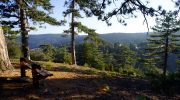
Livadi Trail

Livadi Trail

The Livadi Trail offers a serene path through the heart of the Troodos mountains. This route showcases a unique side of the island that few visitors see. It provides a peaceful escape into the cool mountain air far from the crowded beaches. The path winds through a flat plateau that hosts rare plant life. Massive black pines tower above the track and offer deep shade. This specific environment supports a delicate ecosystem that remains green throughout the entire year. Accessibility makes this location a favorite for those who want a gentle walk. The trail design accommodates people of all ages and fitness levels. Every section of the loop reveals a new perspective of the surrounding peaks and valleys. Trail Overview Location: Troodos National Forest Park Distance: 1 mile (1.5 km) Route Type: Loop Difficulty: Easy Elevation Gain: 33 feet (10 meters) Duration: 45 minutes Best Time to Visit: May – October Terrain: Paved and Flat Forest Floor Botanical Features and Rare Forest Species The Livadi Trail sits at an altitude of seventeen hundred meters above the sea level. This height creates a specific climate that favors the growth of the Pinus nigra or black pine. These trees can reach ages of over five hundred years within the Troodos range. Their thick bark protects them from the cold winters and the…

Read more
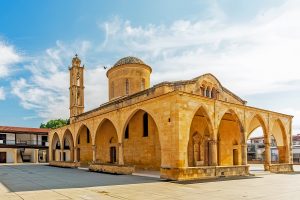
Morphou Plain

Morphou Plain

The Morphou Plain spreads across northwestern Cyprus as the island's most fertile agricultural region. The plain covers several hundred square kilometres of exceptionally productive farmland watered by underground aquifers and seasonal streams. The town of Morphou serves as the region's commercial centre with a current population of approximately 18,000 to 24,000 people. shutterstock-com The area produces over half of Cyprus's citrus fruits, primarily oranges, lemons, and grapefruits, along with substantial quantities of apples, vegetables, melons, and strawberries. The distinctive red soil, rich in minerals and organic matter, creates ideal conditions for intensive agriculture. Unlike much of Cyprus, which struggles with water scarcity, the Morphou Plain benefits from abundant groundwater that allows year-round cultivation and supports the island's most productive farming operations. Historical Background The Morphou region has sustained human settlement since at least the Bronze Age, with archaeological evidence suggesting continuous occupation for over 4,000 years. The fertile soil and reliable water supplies attracted early agricultural communities who recognized the land's exceptional productivity. The ancient city-kingdom of Soli developed on the plain's coastal edge, thriving from approximately the 11th century BC until Arab raids destroyed it in the 7th century AD. facebook-com Soli's prosperity derived from two resources: rich copper deposits in the nearby hills and fertile agricultural lands that fed mining communities and produced surplus for export. According to…

Read more