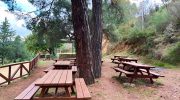
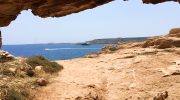
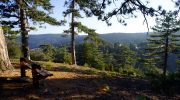
The Chorteri Nature Trail stands as a vital asset within the Troodos National Forest Park. This path offers a direct route through some of the most scenic parts of the mountain range. Travelers often visit this site to observe the transition between different forest zones. The air remains crisp and carries the scent of local pine needles.
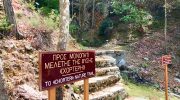
Elevation plays a key role in the unique environment found here. Most of the track sits at a high altitude, which provides cool relief from the coastal heat. Rare plants find a home in the rocky crevices along the way. The silence of the woods provides a stark contrast to the busy cities below. It is a place for quiet observation and steady movement.
Scientific study of the area reveals a rich geological history. The soil consists of minerals that support dense growth of endemic shrubs and trees. Every turn on the route presents a chance to see the natural world in its raw state. This trail is a significant destination for those who value the ecological diversity of Cyprus. It remains a stable and well-kept path for all.
Trail Overview
- Location: Troodos National Forest Park near Platania
- Distance: 3.1 miles (5 km)
- Route Type: Loop
- Difficulty: Moderate to Hard
- Elevation Gain: 950 feet (290 meters)
- Duration: 2 to 3 hours
- Best Time to Visit: April to June or September to November
- Terrain: Forest Floor and Steep Rocky Slopes
Geological Foundations
The Chorteri Nature Trail rests on the famous Ophiolite complex of the island. This rock formation represents a slice of the ancient oceanic crust. It rose from the depths of the sea millions of years ago. The ground features a mix of basalt and gabbro rocks. These stones are dark and hard and resist the wear of time. Geologists frequent this area to study the unique patterns in the Earth.
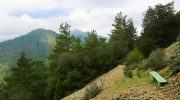
The soil that forms from these rocks is thin but full of vital nutrients. It allows specific types of vegetation to take root where others fail. You can see how the rocks dictate the path of the water during the wet months. Small ravines cut through the landscape and show the power of erosion. The terrain is a physical map of the history of the Mediterranean region. It provides a solid and ancient foundation for the trek.
Botanical Assets
Diversity in plant life is the hallmark of the Chorteri route. The Cyprus Cedar is a prominent feature that commands respect. This tree is a relic of the past and grows only in this mountain range. Its branches spread wide and create a deep shade that cools the ground. The Calabrian Pine also fills the forest with a tall and straight presence. These trees provide the timber that once built the great ships of old.
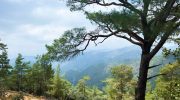
Ground cover includes the Golden Oak which is the national tree of Cyprus. Its leaves have a soft fuzz on the bottom to save water. In the spring months the forest floor erupts with wild flowers. The Troodos Orchid and the Cyprus Peony are highlights for any botany fan. These flowers require the specific cold winter of the peaks to bloom. The scent of wild thyme and sage often drifts across the path on a warm afternoon.
Route Analysis
The journey begins near the Platania forest station. It starts with a steady climb that tests the breath of the hiker. The incline is sharp in some sections but the view makes it worth the effort. Wooden benches sit at strategic points for those who need a brief pause. Each step up the hill reveals more of the surrounding peaks. The path is well marked with stone cairns and wooden signs.
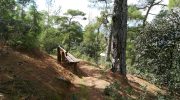
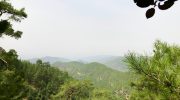
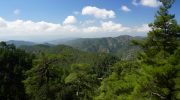
As the trail reaches its highest point it offers a view of the Morphou Bay to the north. On a clear day the sight of the sea is a sharp blue line on the horizon. The descent is equally steep and requires careful footwork. Loose gravel can make the ground unstable in some areas. The route then loops back toward the start through a more sheltered valley. This change in scenery keeps the walk interesting from start to finish.
Wildlife and Ecology
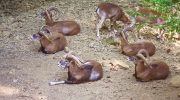
Fauna in the Troodos forest is both shy and diverse. The Mouflon is the prize sight for any nature lover. This wild sheep prefers the steep cliffs and high ridges near Chorteri. It moves with a grace that seems to defy the laws of gravity. Birds of prey like the Goshawk hunt in the dense canopy. Their sharp cries echo through the trees and signal their presence to all.
The forest also supports a wide range of insects and reptiles. The Troodos Lizard scampers across the rocks to catch the sun. It is a small creature but it plays a big role in the food chain. Rare butterflies like the Cyprus Grayling flutter among the wildflowers in the summer. The health of the forest is visible in the activity of these small lives. Nature works in a perfect loop here without the need for human help.
Climate Patterns
Weather at this altitude is far different from the shore. Snow covers the trail during the months of January and February. This makes the path difficult to see and requires special gear. The thaw in March brings a rush of water to the mountain streams. Spring is a time of rapid growth and mild sunshine. It is the most popular time for a visit due to the lush greens.
Summer days are warm, but the shade of the trees provides a natural shield. The humidity stays low, which makes the physical effort feel easier. Autumn brings a change in the color of the oak leaves. They turn a deep brown and gold before they fall to the earth. The air turns cold fast as the sun drops behind the ridges. Proper layers of clothes are a must for anyone who plans to stay late.
Historical Significance
The area around Platania and Chorteri has a long history of human use. Foresters used these paths for decades to manage the timber stocks. The stone walls you see are remnants of old structures. They once housed the tools of the men who worked the woods. The trail itself follows some of these ancient tracks used by charcoal burners. It is a path that links the modern visitor to the workers of the past.
There is a sense of respect for the land that comes from this history. The people of the mountains knew how to take what they needed without ruin. This trail serves as a bridge to those simpler times. It reminds us of the value of the forest as a resource and a home. The preservation of the route is a tribute to the heritage of the Troodos region.
Infrastructure and Access
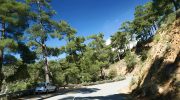
Access to the trailhead is simple via the main road from Nicosia or Limassol. The Platania picnic site offers a good spot for a meal before or after the hike. It has fresh water and clean facilities for the public. Parking is ample and safe for all types of vehicles. The trail begins just a short walk from the main area.
The Department of Forests maintains the path to a high standard. They clear the fallen trees and fix the steps every season. This work ensures that the trail stays safe for the average walker. Maps are available at the forest station for those who want more detail. Information boards explain the science of the site in several languages. This makes the experience both fun and a chance to learn.
Final Summary!
The Chorteri Nature Trail is a jewel of the Cyprus mountains. It provides a tough but fair challenge for the body. The mind finds rest in the deep green of the pines. It is a place where the air is clean, and the facts of nature are on full show. The route is a must for anyone who wants to see the real heart of the island.
The trek is a journey through time, science, and beauty. It offers a rare chance to see the island from a new angle. The memories of the views and the scents stay with you long after the walk. It is a testament to the power of the natural world. The trail remains a steady and silent witness to the beauty of the Troodos.