Koupes are one of the most iconic legacies from the period of Ottoman rule in Cyprus, bearing resemblance to Levantine kibbeh. The dish arrived on the island during the centuries of Ottoman control, when eastern Mediterranean food culture spread throughout the empire. The broader kibbeh family includes variations found in Lebanon, Syria, Palestine, Jordan, Iraq, Egypt, and Turkey, where it appears as içli köfte.
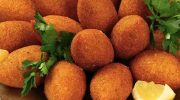
Each region adapted the basic concept of bulgur-encased meat to local tastes and available ingredients. In Cyprus, the dish evolved into koupes with its distinctive cylindrical shape and specific spice combination. The use of extra-fine bulgur became standard, creating a delicate shell texture different from coarser versions found elsewhere.
By the 19th century, koupes had become firmly established in Cypriot food culture, appearing at family gatherings, religious celebrations, and village festivals.
The Sunday Church Tradition
One of the most common places to find koupes was on Sunday mornings outside church yards. Street vendors would set up carts after morning services, selling warm koupes to worshippers as they left. This tradition connected the snack to community life and Orthodox Christian practice. Families would purchase koupes as a post-church treat before returning home for Sunday meals.
The vendors typically packed their koupes with generous amounts of onions and parsley but less meat, making them affordable for working families. This Sunday church yard tradition persisted throughout much of the 20th century, though it has become less common in recent decades.

Modern koupes are now sold in supermarkets, bakeries, confectioneries, and at village festivals called panigyria. The dish maintains its association with communal gatherings even as sales locations have shifted.
Technical Details of Preparation
Making koupes requires specific techniques and careful attention to detail. The bulgur must be extra-fine, not the coarser versions used for pilaf or other dishes. The wheat soaks in seasoned hot water for three to four hours until it becomes fluffy and fully hydrated. Getting the moisture level right proves critical.
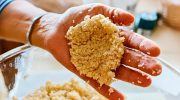
Too dry and the shell cracks during frying. Too wet and it falls apart or becomes diluted in flavor. The dough is kneaded thoroughly, then formed into lemon-sized balls. Cooks wet their hands constantly while shaping to prevent sticking. They press a thumb into each ball to create a hollow cavity, gradually working the shell thinner while maintaining structural integrity.

The cooled meat filling goes inside, leaving space at the top for sealing. Some families use mechanical meat grinders with special koupes attachments that extrude the bulgur shell in cylinder form, though hand-shaping remains traditional. The sealed croquettes must be fried in very hot oil to achieve the characteristic golden-brown crust without absorbing excess grease.
Regional Variations and Modern Adaptations
Cyprus has developed different koupes styles based on local preferences. Some cooks add grated onion and mashed potato directly into the bulgur dough for extra moisture and flavor. Pine nuts sometimes appear in the meat filling for added texture. Spice ratios vary by family, with some emphasizing cinnamon and others favoring cumin. During Orthodox Lent, vegetarian versions use mushroom or olive fillings instead of meat, with the egg omitted from the shell to maintain fasting requirements.

The olive filling follows similar recipes used for eliopitakia, another Cypriot pastry. Some modern cooks have experimented with chicken or turkey fillings, though traditionalists consider pork, lamb, or beef the only authentic options. A campaign led by the Larnaca Chamber of Commerce and tourism board seeks to register koupes under the European Union’s Protected Geographical Indications system, joining other protected Cypriot products like halloumi cheese and rosewater.
How Cypriots Experience Koupes Today
Koupes appear at meze spreads alongside other small dishes, at family celebrations, and as casual snacks throughout the day. They are eaten by hand, often standing at street vendor carts or seated at taverna tables. The traditional accompaniment remains simple: a generous squeeze of fresh lemon juice over the hot croquettes. Some diners add tzatziki sauce or other dips, though purists prefer just lemon.
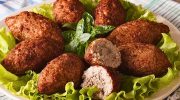
The texture contrast between the crispy exterior and soft interior makes them distinctive. Homemade versions typically taste crunchier on the outside than store-bought koupes, which tend to use more flour and less bulgur. Fresh koupes maintain good flavor the next day when stored covered, though the exterior becomes less crispy. Many families prepare large batches and freeze them, frying directly from frozen when needed. The dish bridges everyday eating and special occasions, appearing equally at casual weekday meals and major holiday feasts.
What Makes Koupes Significant
Koupes demonstrate how Cyprus absorbed Ottoman and Levantine influences while creating something distinctly local. The dish shows the island’s position as a crossroads between Greece, Turkey, and the broader Middle East. Unlike many traditional foods that remain confined to home cooking, koupes successfully transitioned into commercial street food while maintaining their cultural importance.

The Sunday church yard tradition connected food to faith and community in ways that persist in Cypriot memory even as the practice fades. The technical challenge of making koupes, with its precise moisture requirements and careful shaping, has created a shared cultural knowledge passed between generations.
When Cypriots make or eat koupes, they participate in a culinary tradition that links them to centuries of island history and to the broader eastern Mediterranean world that shaped Cypriot cuisine.