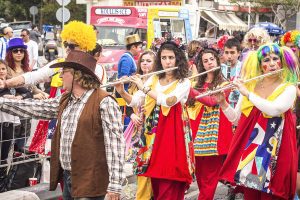
Apokries Carnival Cyprus
pokries represents the Cypriot version of carnival, celebrated in the weeks leading up to Orthodox Lent. The name derives from the Greek words apochi and kreas, meaning abstinence and meat, marking the final period when meat consumption is permitted before the 40-day fasting period. This tradition combines ancient pagan festivals honoring Dionysus with Christian calendar observances, creating a uniquely Cypriot celebration focused on feasting, costumed revelry, and satirical humor. While Limassol hosts the island's largest organized carnival, Apokries customs persist across Cyprus in villages and towns through family gatherings, traditional games, masked performances, and community meals. The festival serves multiple purposes, providing a release valve for social tensions through humor, strengthening community bonds through shared celebration, and preparing participants psychologically for the spiritual discipline of Lent. Historical Background The origins of Apokries trace to ancient Greek festivals celebrating Dionysus, god of wine, agriculture, fertility, and theater. These celebrations occurred in February and March to welcome spring's arrival after winter's dormancy. Participants wore masks and costumes, consumed wine freely, performed theatrical competitions, and engaged in processions through city streets. The ancient festivals temporarily suspended normal social hierarchies, allowing common people to mock authority and express themselves without consequence. Cyprus maintained these Dionysian traditions through successive periods of Roman, Byzantine, and Frankish rule. Archaeological evidence from Paphos and Kourion confirms worship of…
Read more