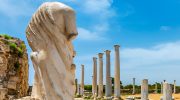
Cyprus Identity Shaped by Resilience and Survival
Cyprus stands at the crossroads of three continents, creating an identity forged through centuries of conquest and adaptation. The Mediterranean island has witnessed rule by Egyptians, Phoenicians, Greeks, Romans, Byzantines, Ottomans, and British forces. Each civilization left cultural marks while the native population absorbed and transformed these influences. Today, Cyprus maintains distinct traditions despite modern pressures. The island's geographic position made it strategically valuable, attracting empires seeking control of eastern Mediterranean trade routes. This constant cycle of foreign rule created a population skilled at cultural preservation under external pressure. Cypriots developed resilience as a survival mechanism, maintaining core traditions while adapting to successive rulers. The ability to endure without surrendering identity became central to the Cypriot character. Ancient Foundations Built Over Millennia Archaeological evidence shows continuous human habitation since the 10th millennium BC. Mycenaean Greeks arrived around the 12th century BCE, establishing city kingdoms like Salamis, Paphos, and Kition. These settlements created foundations for Greek cultural dominance that persisted despite subsequent invasions. The Greek language, Orthodox Christianity, and Hellenic customs became embedded in the population's identity. The Byzantine Empire incorporated Cyprus in the 4th century AD, strengthening Christian Orthodox traditions through church construction and monastery establishment. Byzantine artistic developments, including icon painting and mosaic work, created lasting cultural expressions still visible across the island. The Orthodox Church emerged as a…
Read more