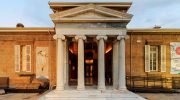
The Kourion Archaeological Museum stands as a small but powerful window into one of Cyprus’s most important ancient city-kingdoms. The museum occupies a traditional building that once served as the private residence of George McFadden, who worked as Assistant Director of the University of Pennsylvania and led archaeological research at Kourion from 1934 to 1953.
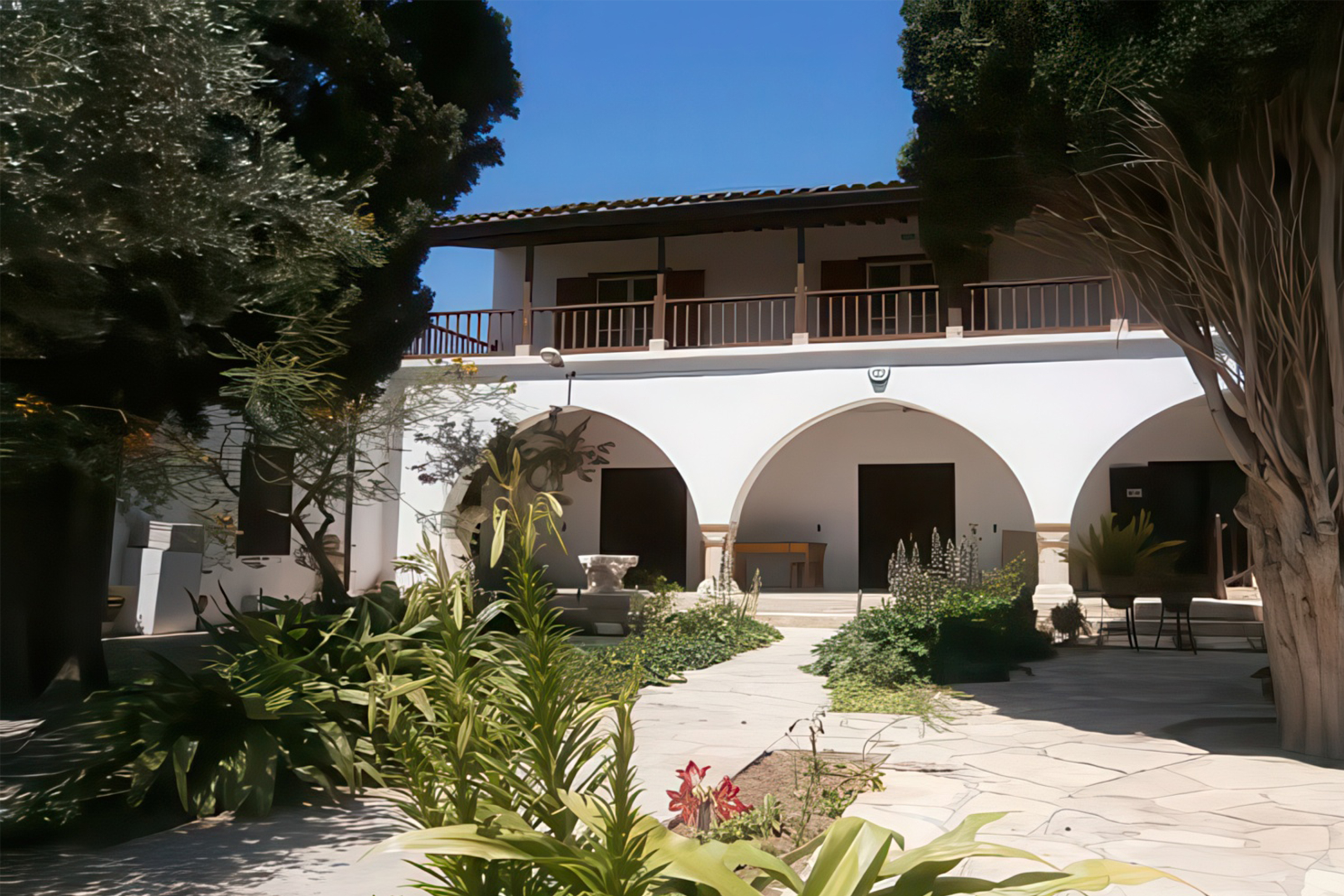
McFadden built this two-story house in 1938-39 to serve both as his home and as the excavation headquarters. After his death in 1953, the Cypriot government took ownership of the property. The building was renovated and opened as a museum in December 1969.
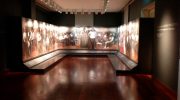
The museum consists of two exhibition halls that showcase artifacts recovered from the ancient city of Kourion, the Sanctuary of Apollo Hylates, and surrounding communities. Despite its modest size, the collection offers visitors a comprehensive look at life in this ancient city-kingdom from the Early Bronze Age through the Roman period.
Historical background
George McFadden was not a trained archaeologist when he arrived in Cyprus in 1934. He was a wealthy Philadelphian who financed the excavations and enjoyed playing archaeologist. He brought his 90-foot yacht, the Samothrace, which was a Dutch pilot schooner built in Rotterdam and purchased in 1933. His financial support made the University of Pennsylvania’s excavations possible.
The expedition studied the conditions under which people lived in ancient Cyprus from the beginning of human habitation until the end of the ancient world, and Kourion was continuously inhabited from Neolithic times until it was destroyed by an earthquake in the fourth century.
The work continued annually until World War II, then resumed afterward. McFadden’s mysterious death came in 1953 when his boat capsized on a perfectly calm day in Episkopi Bay, and his body washed ashore near the cliffs of Kourion.
Kourion Archaeological Museum Inside Findings
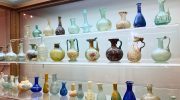
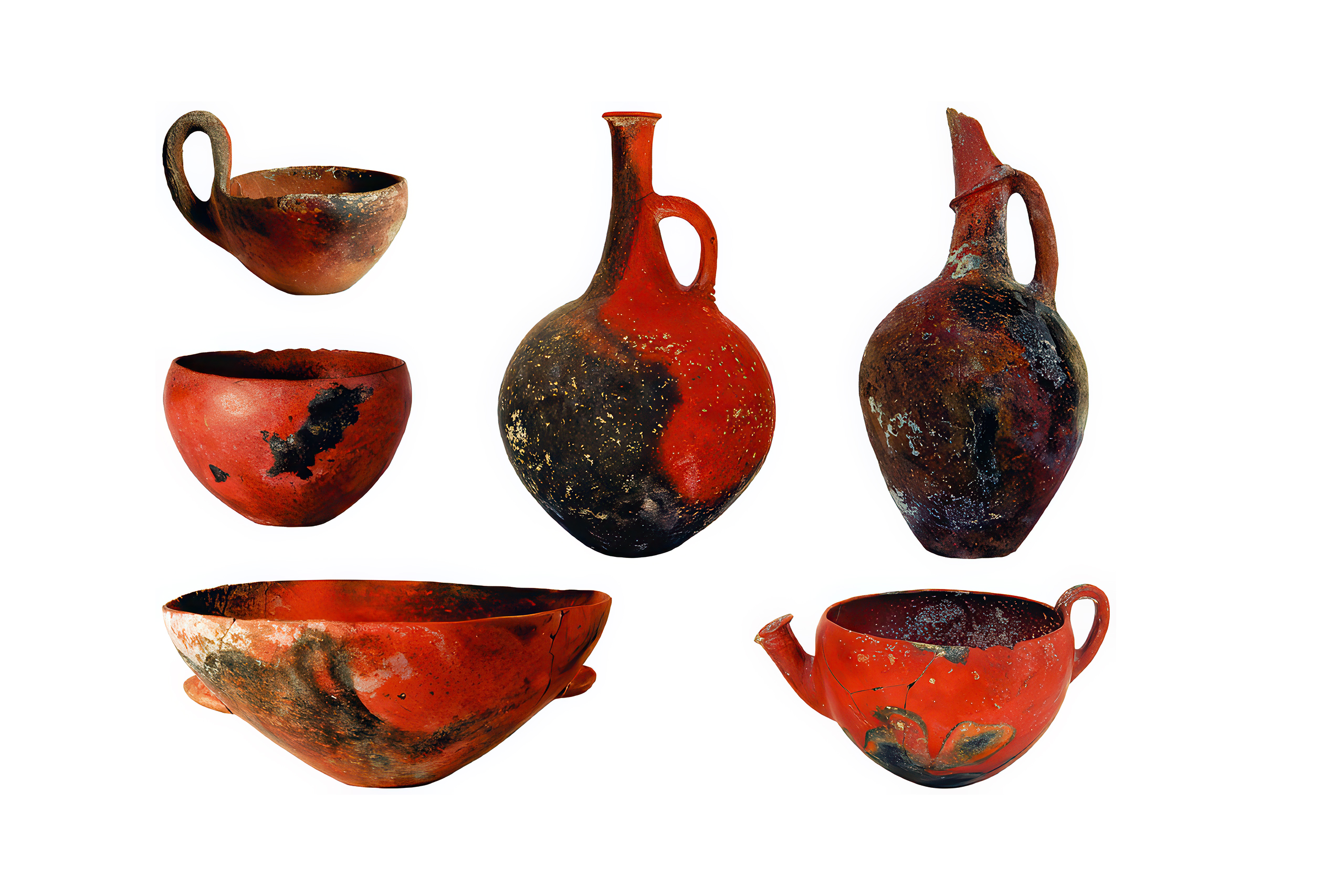
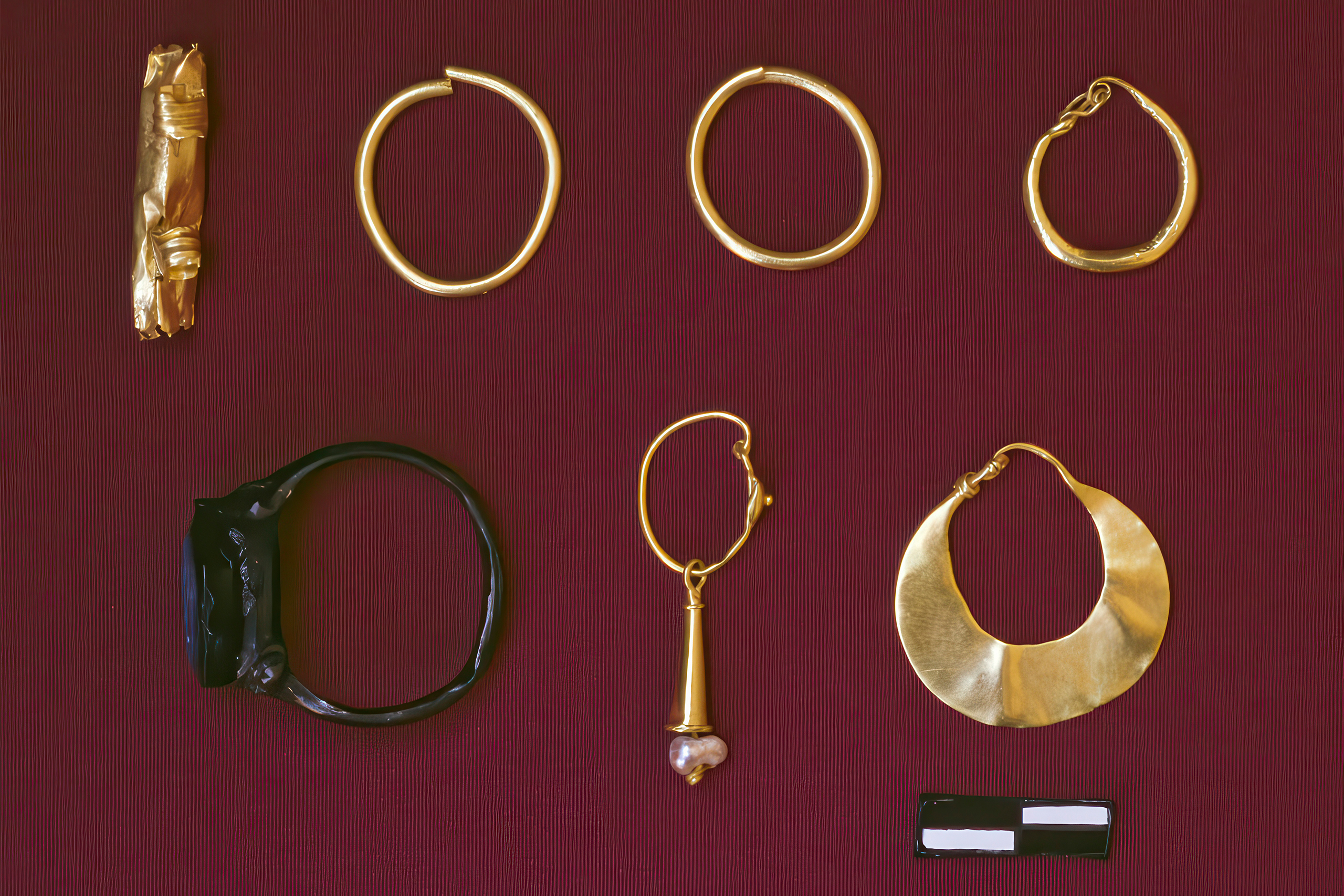
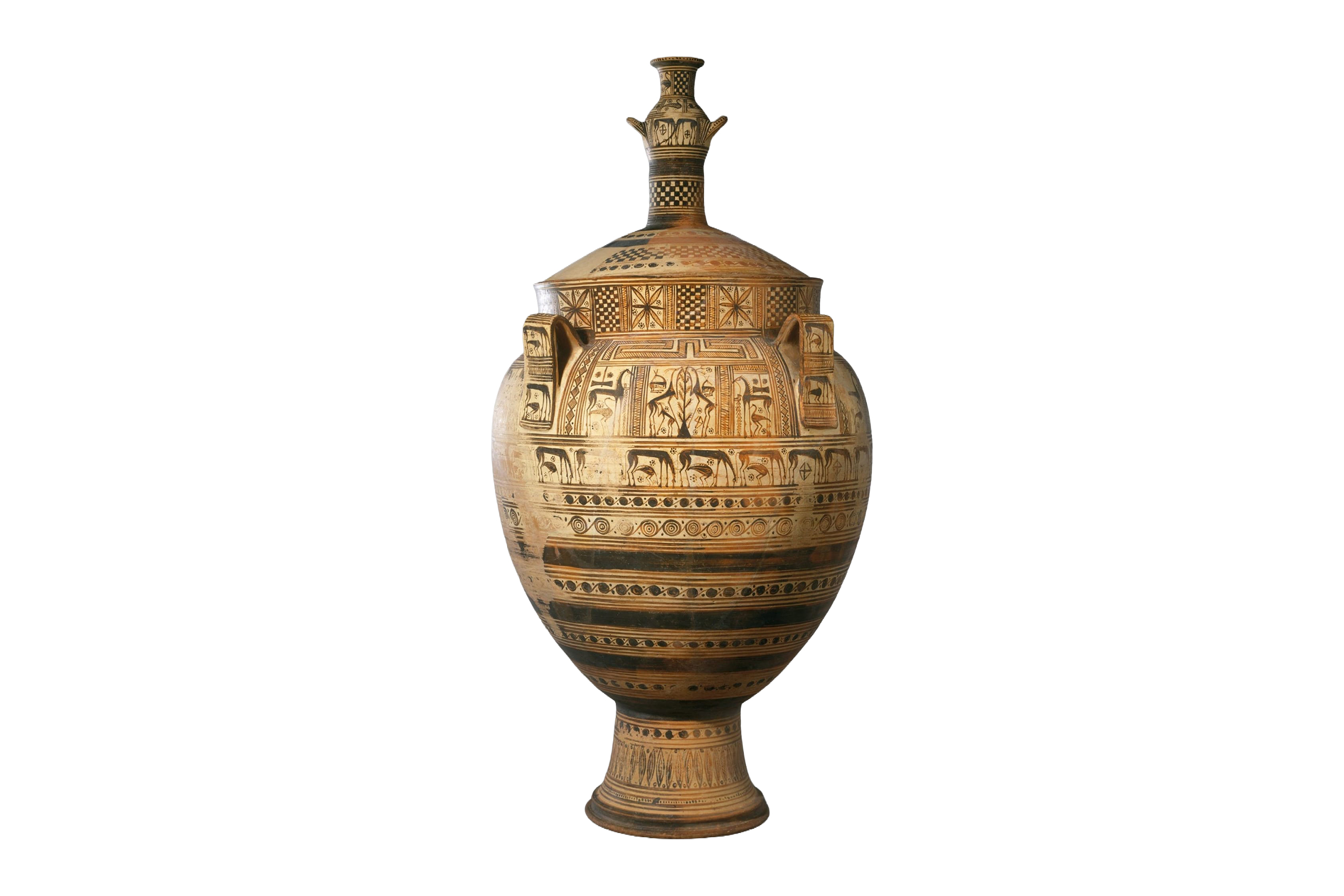
The first exhibition hall displays objects that reflect different phases of Kourion’s history. The collection includes red polished ware from the Early Bronze Age, pottery and golden jewelry from the Mycenaean era, and numerous offerings from the Sanctuary of Apollo Hylates. These findings come from the acropolis of Kourion, the extensive necropolis of Agios Ermogenis, and early Christian basilicas in the region.
The second hall contains artifacts from the Sanctuary of Apollo Hylates and various communities and burial sites around Kourion. The variety of objects on display demonstrates the wealth and cultural sophistication of this ancient city-kingdom, which controlled the fertile Kouris River valley and maintained important trade connections across the Mediterranean.
The Earthquake Victims That Changed Everything
The skeletal remains of city inhabitants who lost their lives in the 4th century earthquakes constitute one of the most impressive exhibits of the museum, and they were found in their original location in a Roman house. These are not just any remains. On July 21, 365 AD, an earthquake decimated Kourion, and a University of Arizona team led by David Soren in the 1980s found a housing complex buried in the quake, known as the Earthquake House.
In 1986, the team revealed three skeletons, two adults and a baby, positioned with limbs shielding bodies and crushed under fallen plaster and 150-pound stone blocks. The 25-year-old man, the 19-year-old woman, and the 18-month-old child were found in an embrace. The father wore a Christian ring with the Chi-Rho symbol, proving that this heavenly symbol had spread across the Mediterranean and was well known to Christians living in Kourion by 365 AD.
From 365 to 370, Kourion was hit by five strong earthquakes, as attested by archaeological remains throughout the site, and the city suffered near-complete destruction. The discovery of these skeletal remains provides dramatic evidence of this catastrophic event and offers a poignant glimpse into the final moments of a family’s life.
Treasures from Apollo’s Sanctuary
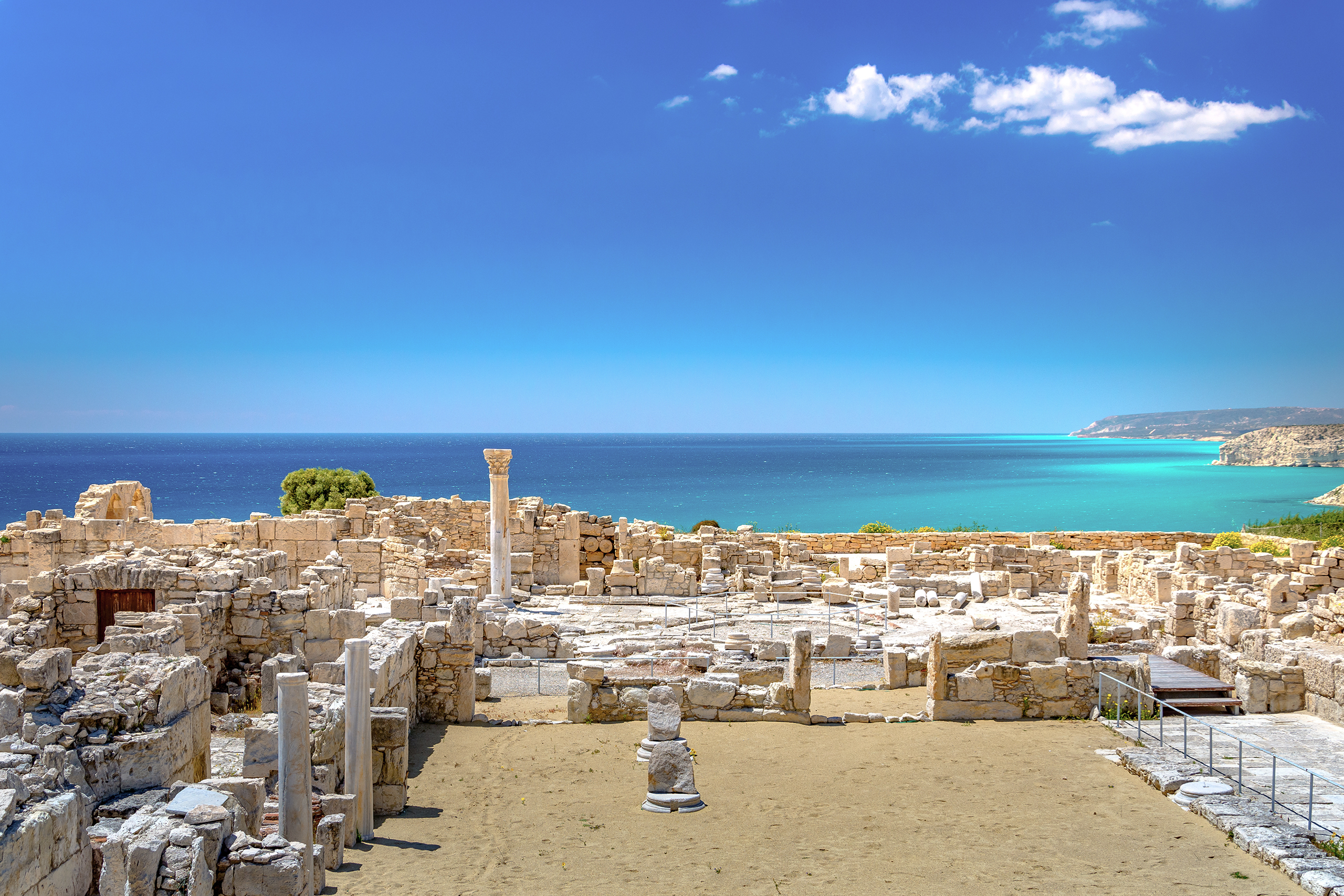
The museum houses a significant collection of offerings from the Sanctuary of Apollo Hylates, which was located about a mile west of the ancient city. This sanctuary was, after the great shrine of Aphrodite at Paphos, the most important religious center in Cyprus. The sanctuary was not just a single temple but a complex of many buildings related to the cult of Apollo as god of the woodlands.
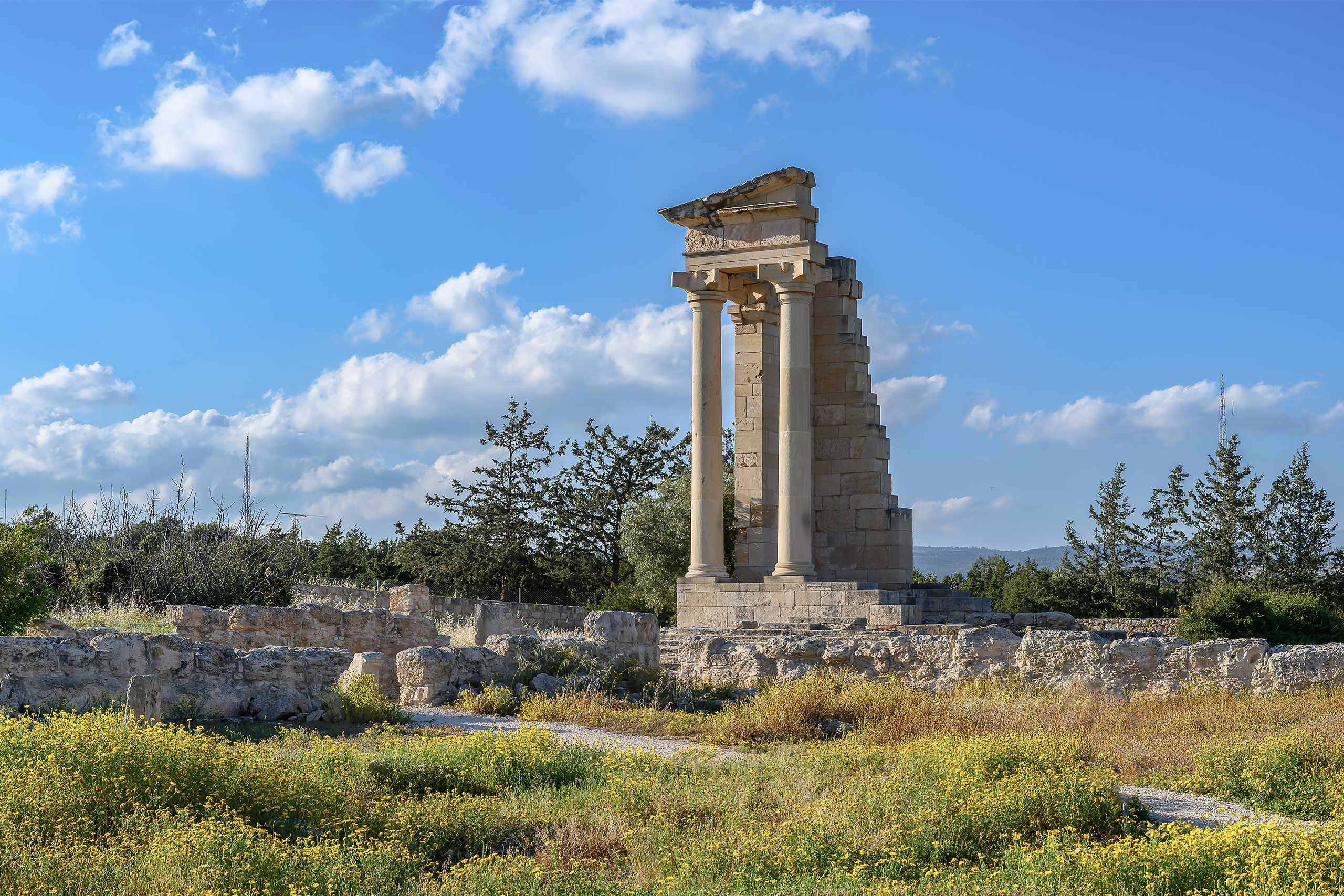
The artifacts from this sanctuary include various votive offerings that worshipers brought to honor Apollo. These objects provide insight into religious practices and beliefs in ancient Cyprus, showing how the cult of Apollo played a central role in the spiritual life of Kourion’s inhabitants.
Interesting Facts Worth Knowing
The museum building itself represents an interesting piece of mid-20th century archaeological history. Housing for the excavation team had always been difficult in the small village of Episkopi, which is why McFadden decided to build his own house. The structure served a dual purpose as both living quarters and a base of operations for the archaeological work.
The center of population at Kourion shifted from place to place at different times in the city’s history, rather than leveling out ruins and building over them as happened at many Near Eastern sites. This pattern of settlement means that different areas of the site reveal different periods of habitation.
The entrance fee to the museum is remarkably affordable. Visitors pay 2.50 euros to access both exhibition rooms. The museum ticket is included with the entrance fee for the main Kourion archaeological site, which costs 4.50 euros.
Why This Museum Still Matters Today
The Kourion Archaeological Museum serves as an essential introduction to understanding one of Cyprus’s most significant archaeological sites. The artifacts displayed here help visitors grasp the long history and cultural importance of Kourion before they explore the actual ruins. The museum demonstrates how archaeological work has evolved over the decades, from McFadden’s early 20th-century excavations to modern scientific approaches.
The skeletal remains of the earthquake victims remind us that history is not just about kings, temples, and pottery. Real people lived in these ancient cities, raised families, worshiped their gods, and faced sudden disasters. These remains humanize the past in a way that few other artifacts can.
The museum also highlights Cyprus’s position as a cultural crossroads in the ancient Mediterranean. The objects on display show influences from Greece, Rome, Egypt, and the Near East, reflecting Kourion’s role as an important trading center and its connections to the wider ancient world.
Kourion Museum Visit
The museum is located at the eastern edge of Episkopi village and is not open on weekends. On weekdays, it opens from 8:00 AM to 3:30 PM. From Limassol, take bus number 16 from the Old Hospital bus stop toward Kourion, and the journey takes approximately 40 minutes.
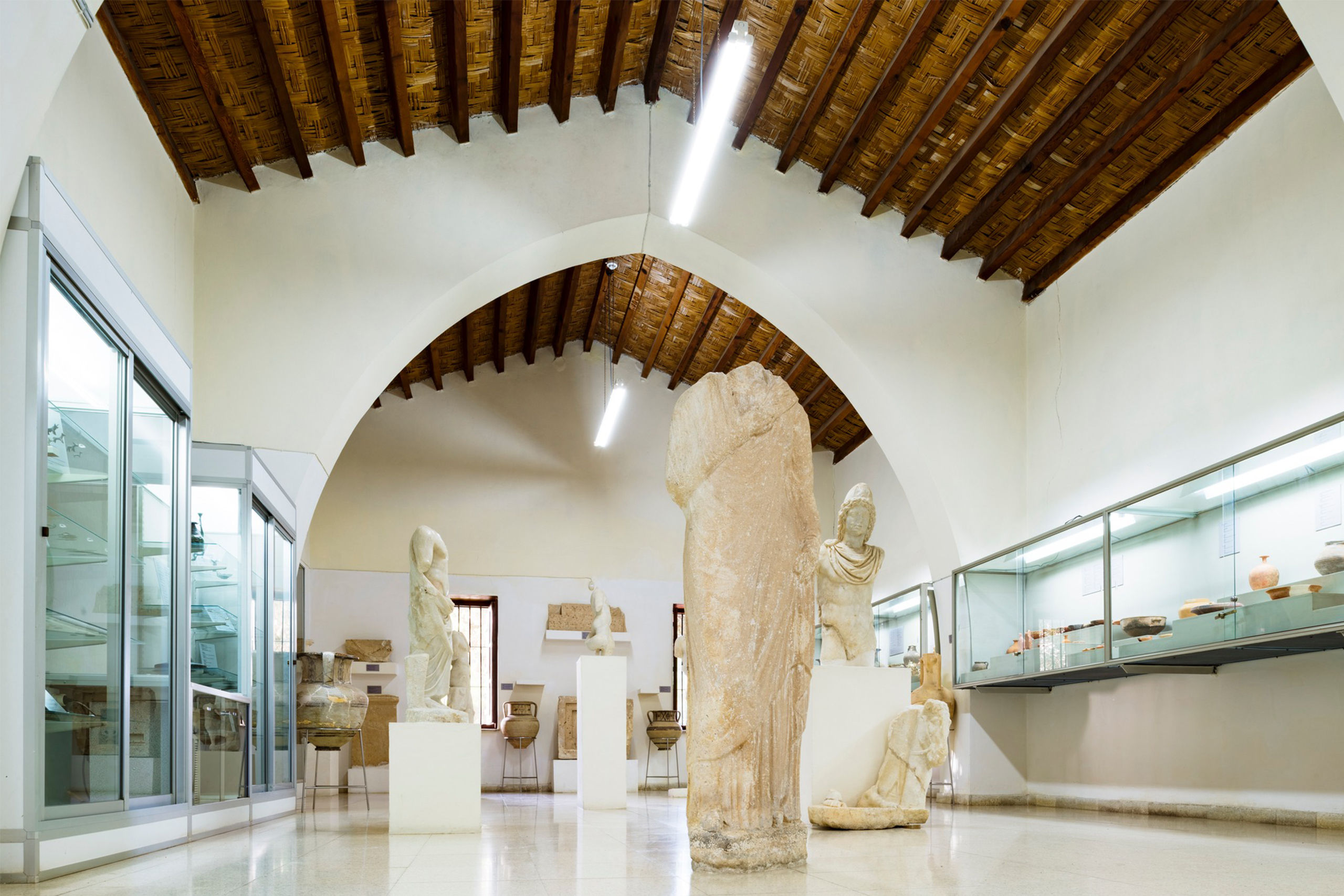
The museum offers a quiet, uncrowded experience compared to larger archaeological museums in Cyprus. Many visitors find themselves alone in both exhibit rooms, allowing them to take their time examining the artifacts without feeling rushed. The displays are clearly labeled, and the small size of the museum means you can see everything in about 30 to 45 minutes.
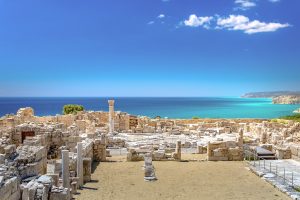
Most visitors combine their museum trip with a visit to the nearby Kourion archaeological site, which includes the famous Greco-Roman theater, Roman villas with stunning mosaics, and the remains of early Christian basilicas. The museum provides valuable context that enhances the experience of walking through the actual ancient city.
Why Kourion Archaeological Museum Matters
The Kourion Archaeological Museum deserves attention because it tells a complete story. Unlike larger museums where artifacts can feel disconnected from their original context, this museum maintains a clear connection to the nearby archaeological site. The objects on display came from the ground just a few kilometers away, and many were excavated from the very buildings you can still visit today.
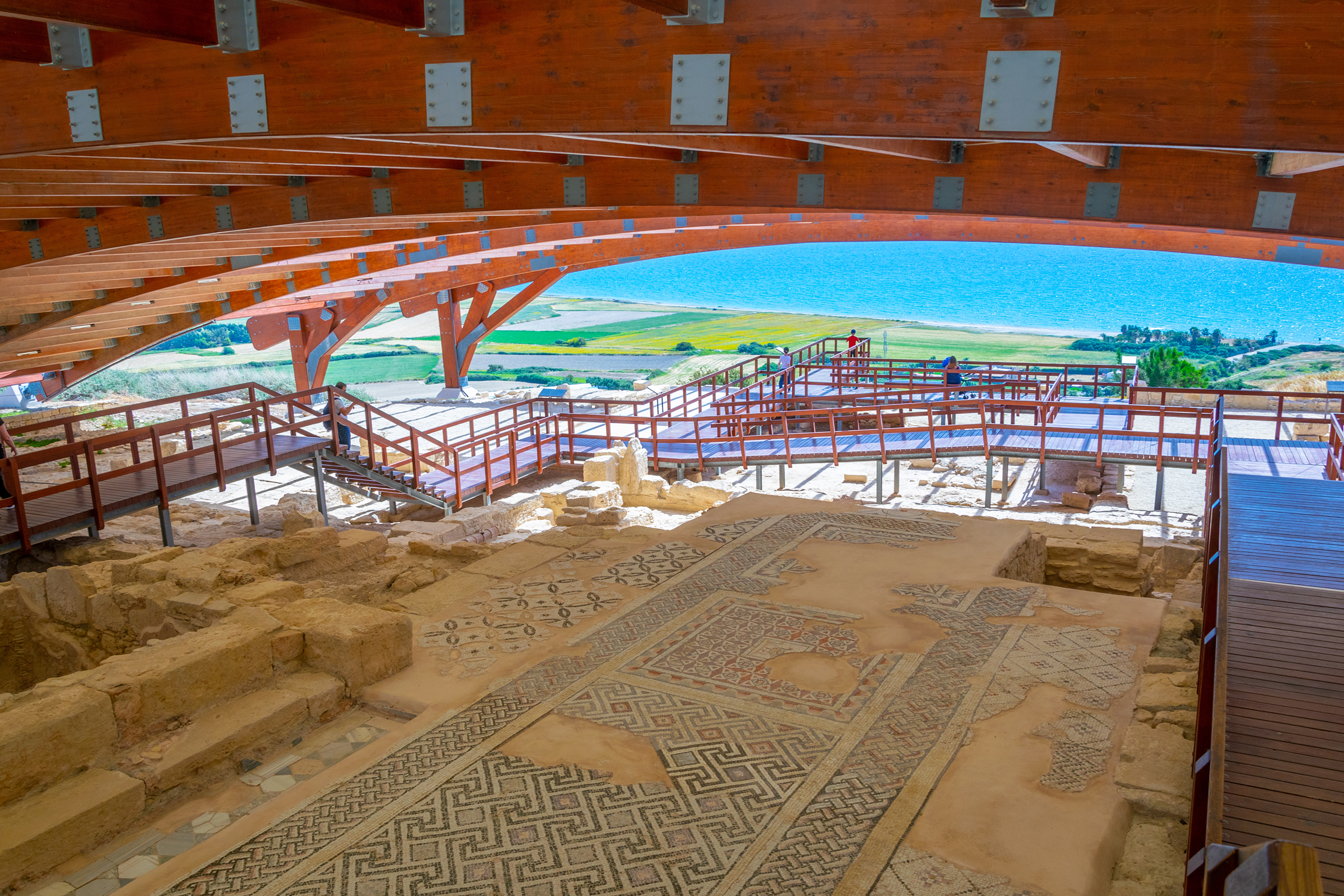
The museum represents the dedication and passion of archaeologists like George McFadden, who devoted years to uncovering Cyprus’s past. It preserves the memory of ancient Kourion’s inhabitants, from the wealthy families who commissioned elaborate mosaics to the ordinary people who died together during a devastating earthquake. Their stories, told through pottery, jewelry, and skeletal remains, make ancient history feel immediate and real.