Explore Cyprus with Our Interactive Map

Explore our top stories and discover ideas worth your time.

Cape Greco Nature Trails

Cape Greco Nature Trails

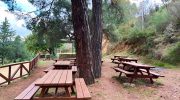
Cape Greco National Forest Park sits at the southeastern tip of Cyprus, between Ayia Napa and Protaras. This protected area covers 385 hectares of dramatic coastline where limestone cliffs drop into turquoise Mediterranean waters. The park became a National Forest Park in 1993 and forms part of the Natura 2000 network, recognized for its ecological importance across Europe. Cape Greco offers a network of interconnected nature trails that guide visitors through diverse coastal landscapes, past ancient ruins, and along some of the island's most spectacular viewpoints. Historical Background The area has been inhabited since ancient times, with evidence of Neolithic settlements and later Greek and Roman influences. The landscape formed millions of years ago through tectonic activity and erosion from sea and wind. The ruins of a temple dedicated to Aphrodite can be found along one of the trails, connecting hikers to the island's mythological past. The natural rock formations themselves tell the story of geological forces that shaped this coastline over countless millennia. The area was designated as a National Forest Park in 1993, providing formal protection for its unique ecosystems and cultural heritage. Conservation efforts focus on preserving the delicate balance between public access and environmental protection. The park's establishment reflected growing awareness of the need to safeguard Cyprus's natural treasures for future generations. The Nature Trail Network…

Read more
Palaepaphos Kouklia

Palaepaphos Kouklia

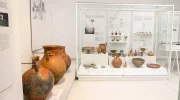
Kouklia is a village in the Paphos District built over the site of the ancient city of Palaepaphos, mythical birthplace of Aphrodite, which became the centre for her worship in the ancient world. This modest village 16 kilometers east of modern Paphos holds the remains of one of the longest continuously operating religious sanctuaries in human history. From around 1200 BC, Palaepaphos was a major religious centre famous all over Cyprus and throughout the Mediterranean. The city served as both a political capital and a sacred site, where the ancient goddess of fertility transformed over centuries into the Greek deity known as Aphrodite. The Sanctuary of Aphrodite is the most famous of the Ancient Greek Goddess' sanctuaries, and its ancient remains date back to the 12th century BC, whilst it remained a place of worship until the 3rd to 4th centuries AD. The sanctuary occupied a commanding position on a limestone plateau overlooking what was once a harbor and lagoon. According to Professor Maria Iacovou from the University of Cyprus, the sanctuary would have been located very close to the original port authority of ancient Paphos. The strategic location connected the religious site directly to sea routes, which brought pilgrims from across the Mediterranean world. Historical Background The Cypriots worshipped a goddess of fertility from as early as the Chalcolithic…

Read more
Pafos Aphrodite Festival

Pafos Aphrodite Festival

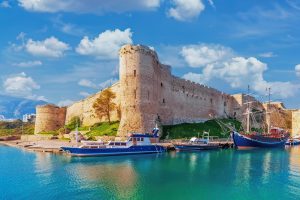
Each September, the ancient harbor of Pafos becomes something rare: a place where opera, history, and landscape converge without competing for attention. The Pafos Aphrodite Festival transforms the space in front of a medieval castle into an open-air opera stage, offering full productions in a setting shaped by sea air, stone walls, and night sky. What makes the festival distinctive is not only its musical ambition, but how naturally it belongs to its surroundings. When Opera Leaves the Opera House The Pafos Aphrodite Festival is Cyprus’s leading international opera event, held annually in late August or early September in the coastal city of Pafos. Performances take place outdoors, directly in front of Pafos Medieval Castle, using the historic harbor as both venue and atmosphere. Rather than recreating the formality of a traditional opera house, the festival embraces openness. Music is performed under the sky, with the sea close by and the castle standing as a silent witness. The experience feels ceremonial, but not enclosed, allowing opera to exist in dialogue with place rather than behind walls. A Cultural Decision, Not an Accident The festival was established in 1998, with its first performance staged in 1999. Its creation was a deliberate attempt to reposition Pafos as more than a seasonal beach destination. Local cultural institutions and authorities sought a flagship event…

Read more