Explore Cyprus with Our Interactive Map

Explore our top stories and discover ideas worth your time.

Epiphany Water Blessings Cyprus

Epiphany Water Blessings Cyprus

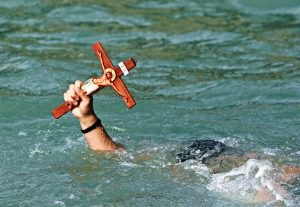
Epiphany in Cyprus marks the conclusion of the 12-day Christmas period on January 6, commemorating Christ's baptism in the Jordan River by John the Baptist. Known as Theophania or Ta Fota meaning Feast of Lights, the celebration centers on water blessing ceremonies that purify homes, drive away evil spirits, and renew communities for the coming year. dom-com The most dramatic ritual involves priests throwing a wooden cross into the sea, rivers, or lakes while brave swimmers dive into cold winter waters to retrieve it. The person who successfully recovers the cross receives blessings and good fortune for the entire year ahead. Beyond the cross diving spectacle, Epiphany includes church services, home blessings, distribution of holy water, children's caroling, and traditional sweets. The day officially ends the presence of Kalikantzari, mischievous goblins believed to plague homes during the Christmas period, restoring order and spiritual cleanliness to Cypriot households and communities. Historical Background The Feast of Epiphany commemorates the moment when Jesus was baptized by John the Baptist in the Jordan River, marking the public beginning of his ministry. According to the Gospels, when Christ emerged from the water, the heavens opened and the Holy Spirit descended in the form of a dove while God's voice proclaimed Jesus as his beloved son. This event represents the Theophany or manifestation of the Holy…

Read more
The Arabis Species of Cyprus

The Arabis Species of Cyprus

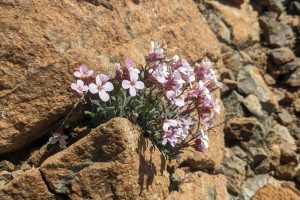
Tucked away in the rocky crevices and mountainous slopes of Cyprus, the Arabis species offer delicate bursts of color amid the island's rugged terrain. These small, resilient rockcresses, with their clusters of white, pink, or purple flowers, are a testament to the unique flora that thrives in this Mediterranean hotspot. Discovering them in the wild feels like finding hidden gems that whisper stories of Cyprus's ancient landscapes. www.flora-of-cyprus.eu Why is it interesting? Arabis, commonly known as rockcresses, are a genus of flowering plants in the mustard family (Brassicaceae). In Cyprus, there are four notable species, three of which are endemic to the island: Arabis cypria, Arabis purpurea, and Arabis kennedyae, along with the more widespread Arabis verna. These hardy perennials or annuals are adapted to dry, rocky environments, producing charming flowers that attract pollinators in spring. Background and Origins The Arabis species in Cyprus have evolved over millennia in the island's isolated ecosystems, particularly in the Troodos Mountains and northern ranges. Shaped by the Mediterranean climate with hot summers and mild winters, they trace their roots to ancient plant lineages that adapted to limestone cliffs and serpentine soils. Endemic varieties like Arabis purpurea and Arabis kennedyae highlight Cyprus's role as a biodiversity refuge, surviving through geological changes that separated the island from surrounding lands. www.inaturalist.org Description Arabis plants are typically…

Read more

Orthodox Churches in Cyprus Villages

Orthodox Churches in Cyprus Villages

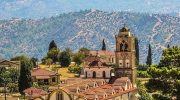
Orthodox churches stand as the defining architectural and spiritual features of Cyprus villages, occupying central positions that both physically and symbolically anchor community life. In the center there was a church or a mosque or both, as in Malia or Melandra, surrounded by village squares where social life unfolds. Shutterstock-com These sacred structures range from humble single-room chapels in remote mountain settlements to elaborate multi-domed complexes in prosperous towns. The Church of Cyprus secured its autocephalous status at the Council of Ephesus in 431 AD, allowing it to operate independently of any patriarchal authority, making it one of the oldest self-governing Orthodox churches. This independence shaped how churches developed across the island, creating distinctively Cypriot architectural and liturgical traditions that persist today. From Apostolic Times to Byzantine Grandeur The Christian history of Cyprus traces back to apostolic times when Paul the Apostle converted Roman proconsul Sergius Paulus around 45 AD, making him the first Christian ruler and Cyprus the first country ruled by a Christian leader. Saint Barnabas, a native Cypriot from Salamis, became the first bishop of Cyprus and established the island's early Christian community. In 478, Archbishop Anthemius claimed that following a vision he found the grave of Barnabas with a copy of Matthew's Gospel resting on his chest, providing evidence of the church's apostolic foundation. kipr-excursions-com A…

Read more