Explore Cyprus with Our Interactive Map

Explore our top stories and discover ideas worth your time.

Saint Paul and Barnabas

Saint Paul and Barnabas

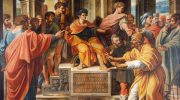
In 45 or 46 AD, two men arrived on the eastern shores of Cyprus at the port city of Salamis. Their names were Paul and Barnabas, accompanied by a young assistant named John Mark. This journey marked the beginning of what would become known as the First Missionary Journey of early Christianity, and Cyprus held the distinction of being the first stop outside Palestine where these apostles would preach to Gentile populations. The island was about to become the first place in the world governed by a Christian ruler. alaturka-com Barnabas was actually a native of Cyprus, born Joseph in Salamis to a Jewish family of the tribe of Levi. The early Christian community in Jerusalem had renamed him Barnabas, which means "son of encouragement" in Aramaic. He had sold his property and given all the proceeds to the apostles, demonstrating a remarkable commitment to the new faith. His companion Paul, still known at this time as Saul, had recently converted from being a persecutor of Christians to becoming one of their most passionate advocates. Together, they set out from Antioch in Syria on a mission that would change the religious landscape of the Mediterranean world. Historical Background When Paul and Barnabas landed at Salamis, they immediately went to the Jewish synagogues to preach. This pattern of starting with Jewish…

Read more
Epiphany Water Blessings Cyprus

Epiphany Water Blessings Cyprus

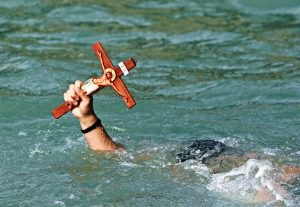
Epiphany in Cyprus marks the conclusion of the 12-day Christmas period on January 6, commemorating Christ's baptism in the Jordan River by John the Baptist. Known as Theophania or Ta Fota meaning Feast of Lights, the celebration centers on water blessing ceremonies that purify homes, drive away evil spirits, and renew communities for the coming year. dom-com The most dramatic ritual involves priests throwing a wooden cross into the sea, rivers, or lakes while brave swimmers dive into cold winter waters to retrieve it. The person who successfully recovers the cross receives blessings and good fortune for the entire year ahead. Beyond the cross diving spectacle, Epiphany includes church services, home blessings, distribution of holy water, children's caroling, and traditional sweets. The day officially ends the presence of Kalikantzari, mischievous goblins believed to plague homes during the Christmas period, restoring order and spiritual cleanliness to Cypriot households and communities. Historical Background The Feast of Epiphany commemorates the moment when Jesus was baptized by John the Baptist in the Jordan River, marking the public beginning of his ministry. According to the Gospels, when Christ emerged from the water, the heavens opened and the Holy Spirit descended in the form of a dove while God's voice proclaimed Jesus as his beloved son. This event represents the Theophany or manifestation of the Holy…

Read more
Cyprus Ports and Maritime Trade

Cyprus Ports and Maritime Trade

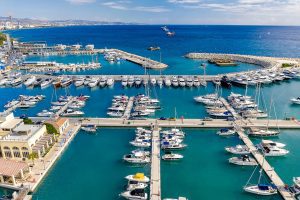
Cyprus operates as one of the Mediterranean's most important maritime hubs, with ports handling approximately 4.7 million tonnes of cargo annually and the island controlling the third largest merchant fleet in the European Union. The strategic location at the crossroads of Europe, Asia, and Africa has made Cyprus a natural transhipment center for European-Far East trade routes. Limassol serves as the main port, processing around 90 percent of the island's exports and imports with capacity for 500,000 twenty-foot equivalent units. The Cyprus ship registry ranks eleventh globally with over 2,200 ocean vessels totaling more than 25 million gross tons. Limassol city has evolved into Europe's largest third-party ship management center, with over 200 shipping companies managing approximately 20 percent of the world's third-party fleet. This concentration of maritime expertise contributes over one billion euros annually to Cyprus's economy, representing approximately seven percent of GDP. The Main Ports That Drive Cyprus Trade Limassol Port dominates Cyprus's maritime infrastructure as the busiest facility in the Mediterranean transit trade. Built after the 1974 Turkish invasion left Famagusta Port inaccessible, Limassol handles containers, iron, roll-on roll-off cargo, dry and liquid bulk, timber, and ferry passengers. Around 4,000 ships, 418,000 TEU, and 381,000 passengers pass through annually. The port can accommodate vessels up to 250 meters in length at berths with 14 meters of water…

Read more