Explore Cyprus with Our Interactive Map

Explore our top stories and discover ideas worth your time.

Aphrodite Nature Trail

Aphrodite Nature Trail

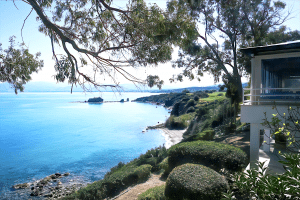
The Aphrodite Nature Trail cuts through the Akamas Peninsula, one of the last untouched wildernesses in Cyprus. This 7.5-kilometer circular route starts at the legendary Baths of Aphrodite and climbs to viewpoints where the entire northwest coast unfolds below. chooseyourcyprus-com The path combines mythology with genuine ecological significance, passing through an area that hosts 39 of Cyprus's 141 endemic plant species and serves as protected habitat for endangered sea turtles. The route reaches a maximum elevation of 370 meters at Moutti tis Sotiras, a rocky plateau that offers panoramic views across Chrysochou Bay to Cape Arnaoutis. Despite covering 7.5 kilometers, the trail maintains a moderate difficulty level, with most elevation gain concentrated in the middle section. Walking time ranges from 3 to 4 hours. The entire Akamas Peninsula covers 230 square kilometers and is designated as a NATURA 2000 protected area, recognized by the European Environment Agency as one of only 22 areas of endemism in Europe. The Goddess Who Rose from the Sea According to Greek mythology, Aphrodite emerged from sea foam off the coast of Cyprus. The Baths of Aphrodite, where the trail begins, is a natural grotto where the goddess supposedly bathed. Local legend claims this is where she met Adonis, her mortal lover, when he stopped to drink from the spring while hunting. The peninsula takes…

Read more
Cyprus Coastal Seafood Festivals

Cyprus Coastal Seafood Festivals

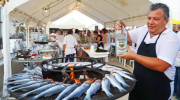
Seafood festivals in Cyprus are joyful coastal celebrations that bring together food, tradition, and community life. Held mainly in seaside towns such as Zygi, Latchi, Limassol, Larnaca, and Paphos, these events reflect the island’s long relationship with the sea and its fishing heritage. Through simple dishes, shared tables, and open harbors, they offer an easy and memorable way to experience Cyprus beyond the beach. What Are Seafood Festivals in Cyprus? Seafood festivals in Cyprus are local events that celebrate fishing culture and fresh Mediterranean seafood. They are usually organized by municipalities, community councils, or local fishing groups and take place near harbors, marinas, or coastal promenades. Some are clearly defined annual festivals, while others are part of broader cultural or religious celebrations that include seafood as a central element. At their core, these festivals focus on sharing freshly prepared fish and seafood in a relaxed, social setting. Visitors can expect grilled fish, octopus, calamari, and traditional fish meze served alongside music, conversation, and sea views. The atmosphere is informal and welcoming, designed to bring locals and visitors together rather than impress with spectacle. Roots in Coastal Life and Fishing Traditions Cyprus has always been shaped by the sea. For centuries, small coastal communities relied on fishing not only for food but for trade, identity, and survival. Harbors doubled as social…

Read more

Troodos Mineral Springs

Troodos Mineral Springs

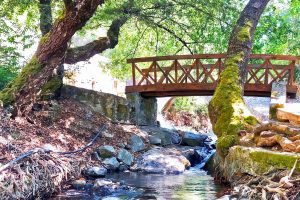
Deep in the Troodos Mountains, sulfur-rich waters rise from ancient rock, just as they have for thousands of years. These mineral springs have drawn healers, pilgrims, and travelers since antiquity. The most famous flows in Kalopanayiotis village, where thermal waters meet the Setrachos River beside a centuries-old Venetian bridge. shutterstock-com Mineral springs produce water containing dissolved substances that alter its taste and give it therapeutic value. Salts, sulfur compounds, and gases dissolve into the water during its underground passage. The springs in Cyprus are particularly rich in sulfur, with additional minerals including magnesium and calcium. Water temperature at these springs varies from pleasantly warm to quite hot. The therapeutic minerals become concentrated as groundwater moves through rock formations deep underground. When pressure builds, the heated, mineral-laden water finds paths to the surface through cracks and faults in the bedrock. The Troodos ophiolite system, formed approximately 90 million years ago during the Upper Cretaceous period, provides the geological foundation for these springs. This ophiolite represents a fragment of ancient ocean floor pushed upward by tectonic forces. As water circulates through these volcanic rocks, it collects the minerals that give the springs their healing properties. From Ancient Temples to Christian Monasteries The Kingdom of Solon controlled the Marathasa area in ancient times. Kings used the sulfur springs as their wellness resort, combining…

Read more