Explore Cyprus with Our Interactive Map

Explore our top stories and discover ideas worth your time.

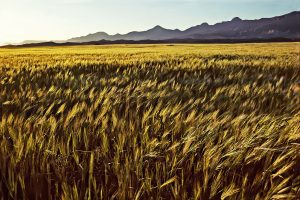
Mesaoria Plain, Cyprus

Mesaoria Plain, Cyprus

The Mesaoria Plain stretches 96 kilometres across central Cyprus between two mountain ranges. Mesaoria, meaning "between the mountains" in Greek, is a broad central plain that extends from Morphou Bay in the west to Famagusta Bay in the east. The Troodos Mountains rise to the south, while the Kyrenia Range forms a wall to the north. The plain covers approximately 1,000 square kilometres with elevations ranging from 100 metres on average up to 325 metres at its highest points. wikimedia-org Nicosia, the capital of Cyprus, sits roughly in the centre of the plain along the Pedieos River. This positioning reflects centuries of strategic thinking, as the location provided access to both coasts. The plain contains dozens of villages and several major towns, making it the most densely populated region on the island despite its harsh summer climate and winter-dependent water supply. Historical Background Twenty million years ago, Cyprus existed as two separate islands corresponding to what would become the Kyrenia and Troodos mountain ranges. Approximately one million years ago, tectonic forces pushed up the land between these islands, creating the Mesaoria Plain and joining them into the single landmass known today as Cyprus. The Mediterranean Sea covered and exposed the plain multiple times as sea levels changed, but it has remained in its current form since the end of the…

Read more
Seasons of Cyprus

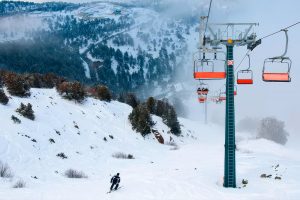
Seasons of Cyprus

Cyprus experiences four distinct seasons, each with dramatic differences across its varied landscape. The same day that sees snow on Mount Olympus can bring 20-degree sunshine to coastal beaches just an hour away. This climate diversity creates a unique Mediterranean island where visitors can ski in the morning and swim in the afternoon. Understanding these seasonal patterns helps explain both the natural beauty and the agricultural traditions that define Cyprus. royalcaribbean.com The island enjoys roughly 300 days of sunshine annually, with temperatures influenced heavily by elevation. Coastal areas maintain mild winters and hot summers, while the Troodos Mountains create their own weather patterns. Average annual temperature along the coast reaches 26 degrees Celsius during the day and 17 degrees at night. The warm season lasts eight months, from April through November, making Cyprus one of the warmest locations in the Mediterranean region of the European Union. Winter and the Unexpected Snow Season Winter in Cyprus runs from December through February, but coastal residents often consider it autumn by northern European standards. Average temperatures along the coast hover around 16 to 17 degrees Celsius during the day, with nights cooling to 5 to 7 degrees. Rain falls occasionally, concentrated in these winter months which receive about 60 percent of the annual precipitation. Despite the rain, sunshine remains abundant with an average…

Read more
Cyprus Youth Leadership Networks

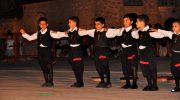
Cyprus Youth Leadership Networks

In Cyprus, civic life is often learned long before formal politics, through scouts, youth clubs, cultural groups, and community projects where responsibility has real consequences. These organisations teach leadership through practice, from organising festivals and rehearsals to running clean-ups and coordinating volunteers, so accountability becomes a habit rather than an idea. This article explains the main youth pathways into civic participation, how they build trust across communities, and why these structures remain one of Cyprus’s most resilient sources of social cohesion. vlagere-ru Civic learning outside the classroom Much of Cyprus's youth engagement happens through non-formal education. Unlike school curricula, these settings emphasise participation over instruction. Young people learn by organising events, managing groups, resolving disagreements, and working toward shared goals that have visible outcomes in their communities. cypruschessfederation-org Scout groups, youth clubs, and cultural associations function as practical training grounds. Leadership is learned by doing, whether that means coordinating a village festival, leading a patrol on a hike, or managing volunteers during a clean-up campaign. These experiences teach decision-making, accountability, and cooperation in ways that formal education rarely replicates. Scouting as a long-standing leadership pathway Scouting has existed in Cyprus for more than a century and remains one of the most structured systems for youth leadership development. Its model is built around gradual responsibility, where young members progress from participation…

Read more