Explore Cyprus with Our Interactive Map

Explore our top stories and discover ideas worth your time.

Nea Paphos Ancient Capital of Roman Cyprus

Nea Paphos Ancient Capital of Roman Cyprus

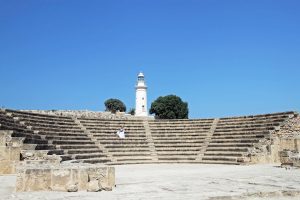
Nea Paphos occupies a coastal plain on the southwestern shore of Cyprus, adjacent to the modern city of Paphos. Founded in the 4th century BC by Nikokles, the last king of nearby Palaipaphos, Nea Pafos then went from strength to strength, particularly under the Ptolemaic kingdom from the 3rd century BC. The city was located on a peninsula surrounded by a natural bay and between the two small hills called Fanari and Fabrika. irecommend-ru Nea Paphos was founded at the turn of the 4th and 3rd century BC as an important harbour located on the sea trade route from Rhodes to Alexandria. Thanks to its strategic location, from the 2nd century BC Nea Paphos became the capital of Cyprus and the seat of the strategos, general managing the island. The site preserves remains of villas, palaces, theaters, and tombs that span from the Hellenistic period through the Byzantine era, making it one of the Mediterranean's most significant archaeological areas. Historical Background Thanks to the extensive and modern port and access to cider wood from the nearby forests, Nea Paphos became a base of Ptolemaic navy and a military garrison made up of mercenaries was stationed here. The multicultural character of the city was probably complemented by many sailors and merchants, but also by pilgrims who, through the eastern city gate,…

Read more
Akamas Peninsula Microclimate

Akamas Peninsula Microclimate

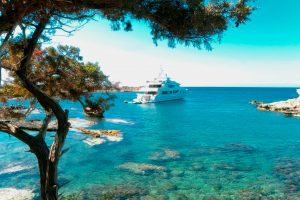
Akamas Peninsula Microclimate is defined by a unique blend of coastal and upland conditions, fostering rare ecological niches with exceptional biodiversity on Cyprus's northwest tip. This microclimate combines Mediterranean seaside warmth with cooler, moister hill zones, creating diverse habitats from sandy beaches to rocky gorges. It supports over 600 plant species and unique wildlife, making Akamas a natural treasure that highlights how small-scale climate variations can drive ecological richness on an island. akamasboattrip.com A Distinctive Blend of Coast and Upland The Akamas Peninsula's microclimate arises from its geography - a rugged 230-square-kilometer area where low coastal plains meet uplands rising to 600 meters at peaks like Smigies. Coastal zones experience typical Mediterranean patterns: hot summers (30-35°C) with sea breezes keeping humidity moderate, and mild winters (15-20°C) with 500mm annual rain. Uplands, however, create orographic effects, where winds lift moisture from the sea, leading to cooler temperatures (5-10°C lower) and higher precipitation (up to 700mm), often as mist or fog that sustains unique niches. chooseyourcyprus.com1 This combination forms isolated ecosystems: coastal dunes with salt-tolerant halophytes, gorges with perennial streams hosting freshwater crabs, and maquis scrub on hills with aromatic shrubs. Biodiversity thrives in these pockets, with 168 bird species migrating through and 39 endemic plants adapted to the gradient. Geological features, like limestone cliffs from Miocene uplift, trap moisture in crevices,…

Read more

Larnaca Fort Cyprus

Larnaca Fort Cyprus

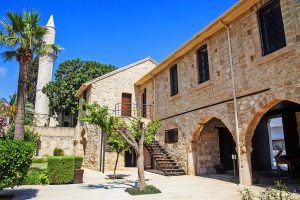
Larnaca Fort is a coastal defensive structure that started as a Byzantine fortification and took its current form during Ottoman rule in the 17th century. The fort sits directly on the waterfront at the western edge of one of Cyprus's most popular seaside promenades. Despite its modest size compared to larger Cypriot castles like Kyrenia or Kolossi, the fort played an essential role in protecting Larnaca harbour and the southern coast from pirates and invaders. Today, it houses the Larnaca Medieval Museum and hosts cultural events in its courtyard. shutterstock-com Historical Background Archaeological evidence suggests the Byzantines built a small fortification on this site in the late 12th century. Larnaca, known in ancient times as Kition, had been inhabited since the 14th century BC. The medieval fort became necessary when the Genoese captured Famagusta, Cyprus's main port, in 1373. This forced the Lusignan Kingdom of Cyprus to develop Larnaca as an alternative major port. larnakaregion-com According to medieval chronicler Florius Boustronius, King James I of Cyprus ordered the expansion of the Byzantine fortification into a more substantial castle between 1382 and 1398. The castle's primary purpose was to defend the harbour and protect the increasingly important port town. During this period, Larnaca transformed from a minor coastal settlement into one of the kingdom's principal trading centers, making coastal defenses critical…

Read more