Akamas Peninsula Microclimate is defined by a unique blend of coastal and upland conditions, fostering rare ecological niches with exceptional biodiversity on Cyprus’s northwest tip. This microclimate combines Mediterranean seaside warmth with cooler, moister hill zones, creating diverse habitats from sandy beaches to rocky gorges. It supports over 600 plant species and unique wildlife, making Akamas a natural treasure that highlights how small-scale climate variations can drive ecological richness on an island.
- A Distinctive Blend of Coast and Upland
- Formation Through Geology and Time
- Features of Coastal and Upland Blend
- Notable Aspects That Highlight Its Uniqueness
- Deeper Environmental and Cultural Impacts
- Akamas Peninsula Microclimate in Cyprus Today
- Opportunities for Exploration
- A Microclimate of Rare Niches
A Distinctive Blend of Coast and Upland
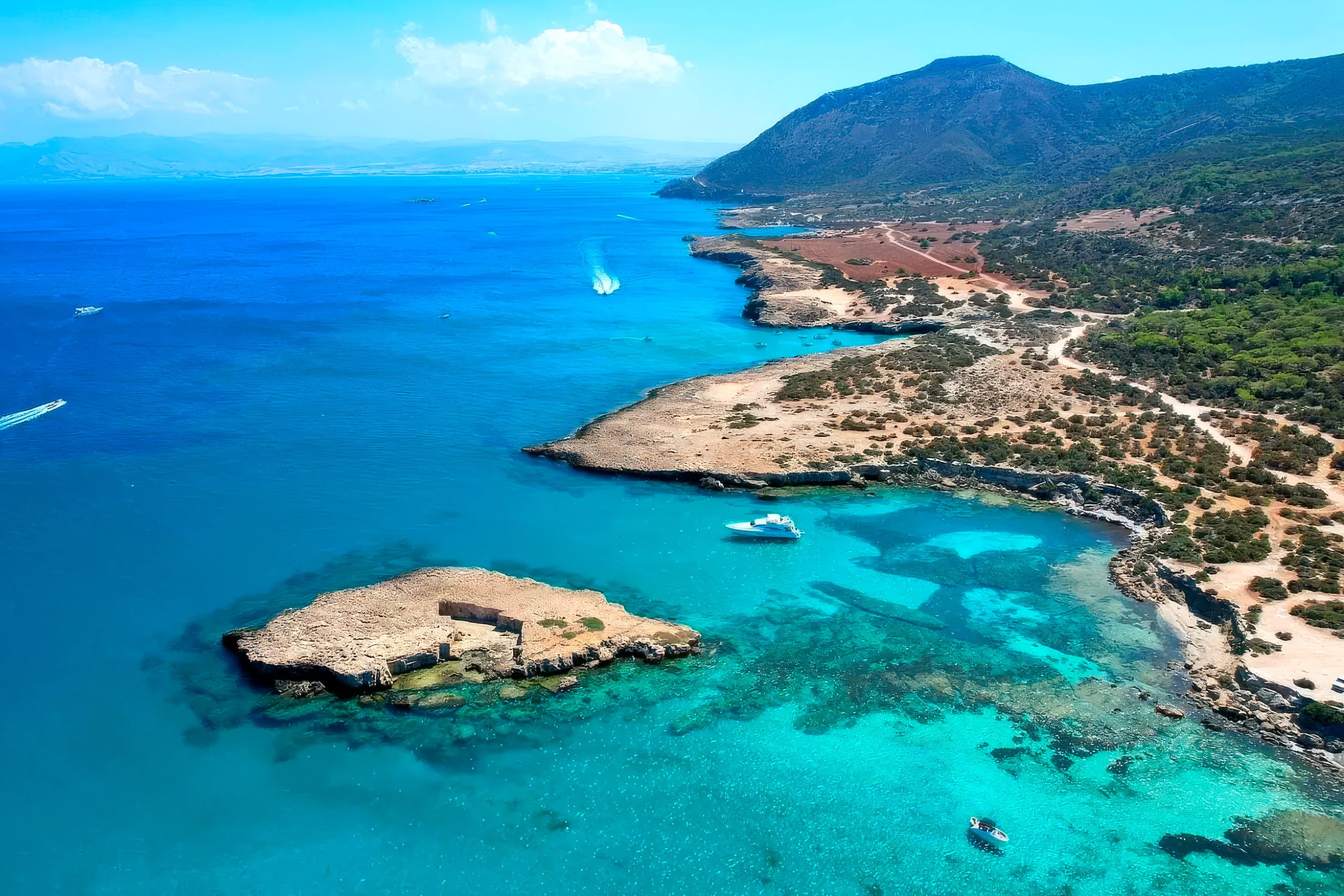
The Akamas Peninsula’s microclimate arises from its geography – a rugged 230-square-kilometer area where low coastal plains meet uplands rising to 600 meters at peaks like Smigies. Coastal zones experience typical Mediterranean patterns: hot summers (30-35°C) with sea breezes keeping humidity moderate, and mild winters (15-20°C) with 500mm annual rain. Uplands, however, create orographic effects, where winds lift moisture from the sea, leading to cooler temperatures (5-10°C lower) and higher precipitation (up to 700mm), often as mist or fog that sustains unique niches.
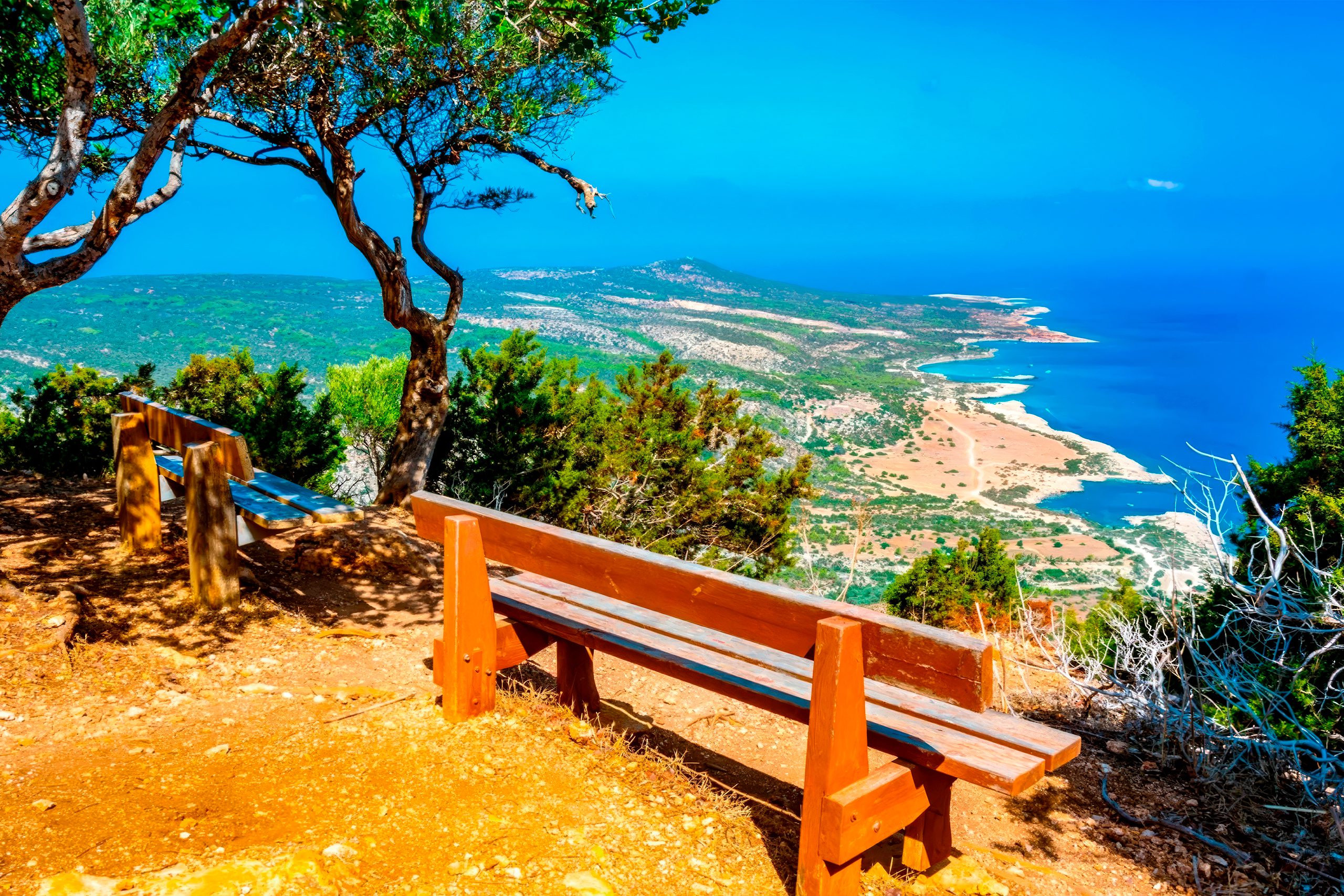
This combination forms isolated ecosystems: coastal dunes with salt-tolerant halophytes, gorges with perennial streams hosting freshwater crabs, and maquis scrub on hills with aromatic shrubs. Biodiversity thrives in these pockets, with 168 bird species migrating through and 39 endemic plants adapted to the gradient. Geological features, like limestone cliffs from Miocene uplift, trap moisture in crevices, creating micro-habitats for rare orchids. This microclimate’s stability reflects Cyprus’s position in the eastern Mediterranean, influenced by African hot air in summer and Atlantic lows in winter, but localized by the peninsula’s west-facing exposure to Chrysochou Bay winds.
Formation Through Geology and Time
Akamas’s microclimate formed during the Pleistocene epoch around 2 million years ago, as tectonic uplift created the peninsula from marine sediments, as studied by the Geological Survey Department since the 1950s. This process shaped a varied topography: coastal lowlands with sandy soils from erosion, and uplands with serpentine rocks that retain heat differently, leading to temperature drops of 0.6°C per 100 meters. Historical climate data from pollen cores at nearby wetlands show shifts from wetter Ice Age forests to current semi-arid scrub around 5,000 years ago, coinciding with human arrival.
Ancient Cypriots, from Neolithic hunters (7000 BC) at Aetokremnos cliff, used coastal mildness for shellfish gathering, as bone middens suggest. Bronze Age (2500 BC) settlements like Laona exploited upland cools for storage, with pottery shards showing trade. Byzantine era (4th-15th centuries AD) monks at Agios Georgios chose the peninsula for isolation, with 12th-century texts describing fog as “divine veil.” Lusignan rule (1192-1489) saw hunting reserves, with chronicles noting summer breezes for royal escapes. Venetian (1489-1571) forts like Baths of Aphrodite used coastal microclimates for gardens, while Ottoman (1571-1878) farmers adapted to low rain with terracing, as Ali Bey noted in 1806.
British colonial rule (1878-1960) mapped it for agriculture, with 1920s reports by Ronald Storrs promoting drought crops. Post-1960, climate stations at Akamas track changes, showing 10% rain decrease since 1950 linked to global warming.
Features of Coastal and Upland Blend
Coastal areas have hot summers (32°C average) with sea breezes reducing heat to 28°C at shores, and winters with 400mm rain supporting maquis with pistachios. Uplands cool to 25°C in summer with fog banks from sea moisture, creating “cloud forests” at 400-600 meters with higher humidity (70%) for ferns. This blend forms niches: Lara Bay’s dunes host sea daffodils blooming in autumn rains, gorges like Avakas have year-round streams for endemic frogs.
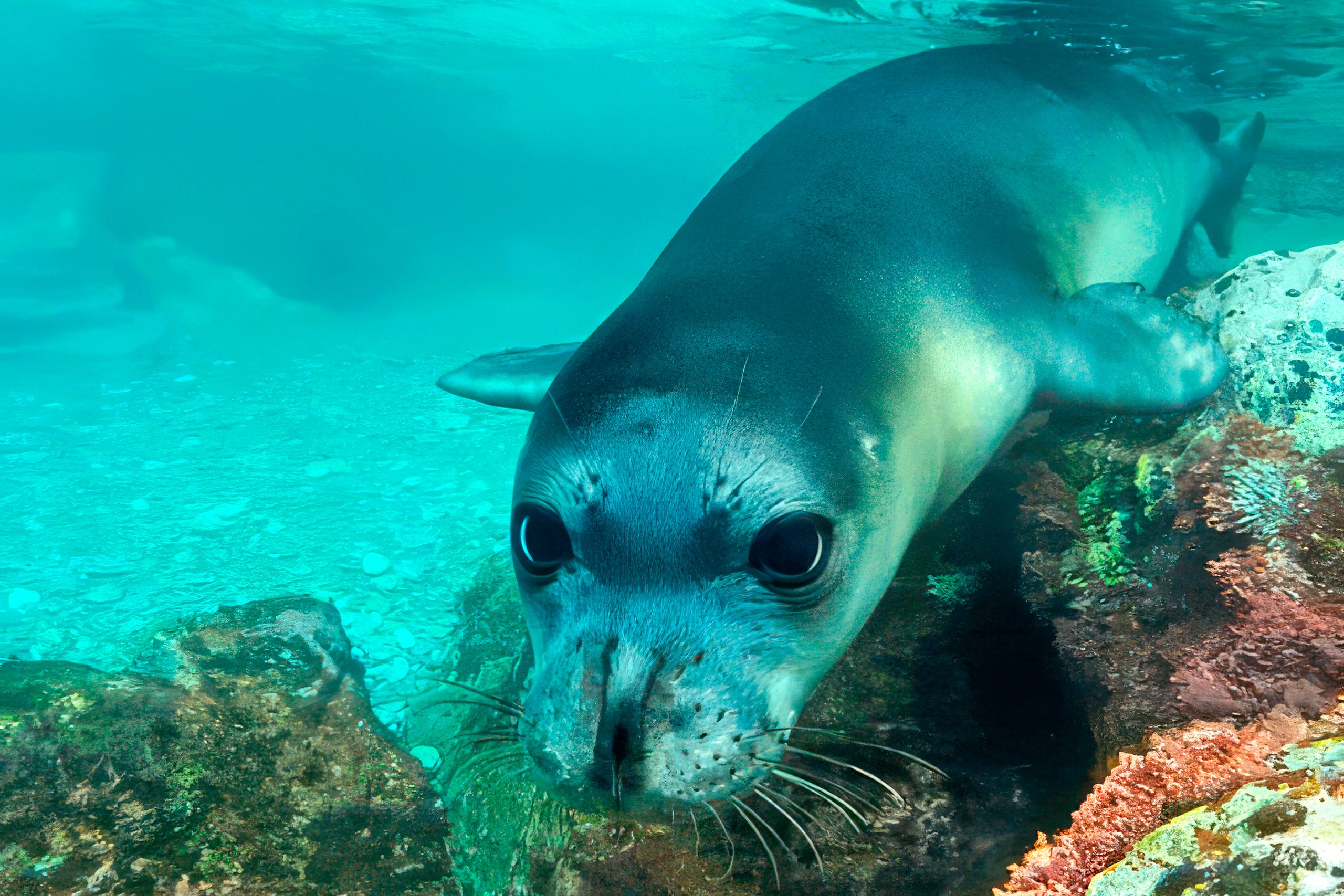
Biodiversity includes 530 plant species, 16% endemic like Akamas centaury, adapted to salt spray and wind. Wildlife features monk seals in caves, with 10 individuals monitored by MEDPAN since 1990. Upland isolation promotes endemism, with butterflies like the Paphos blue found only here, studied by the Butterfly Conservation Society.
Notable Aspects That Highlight Its Uniqueness
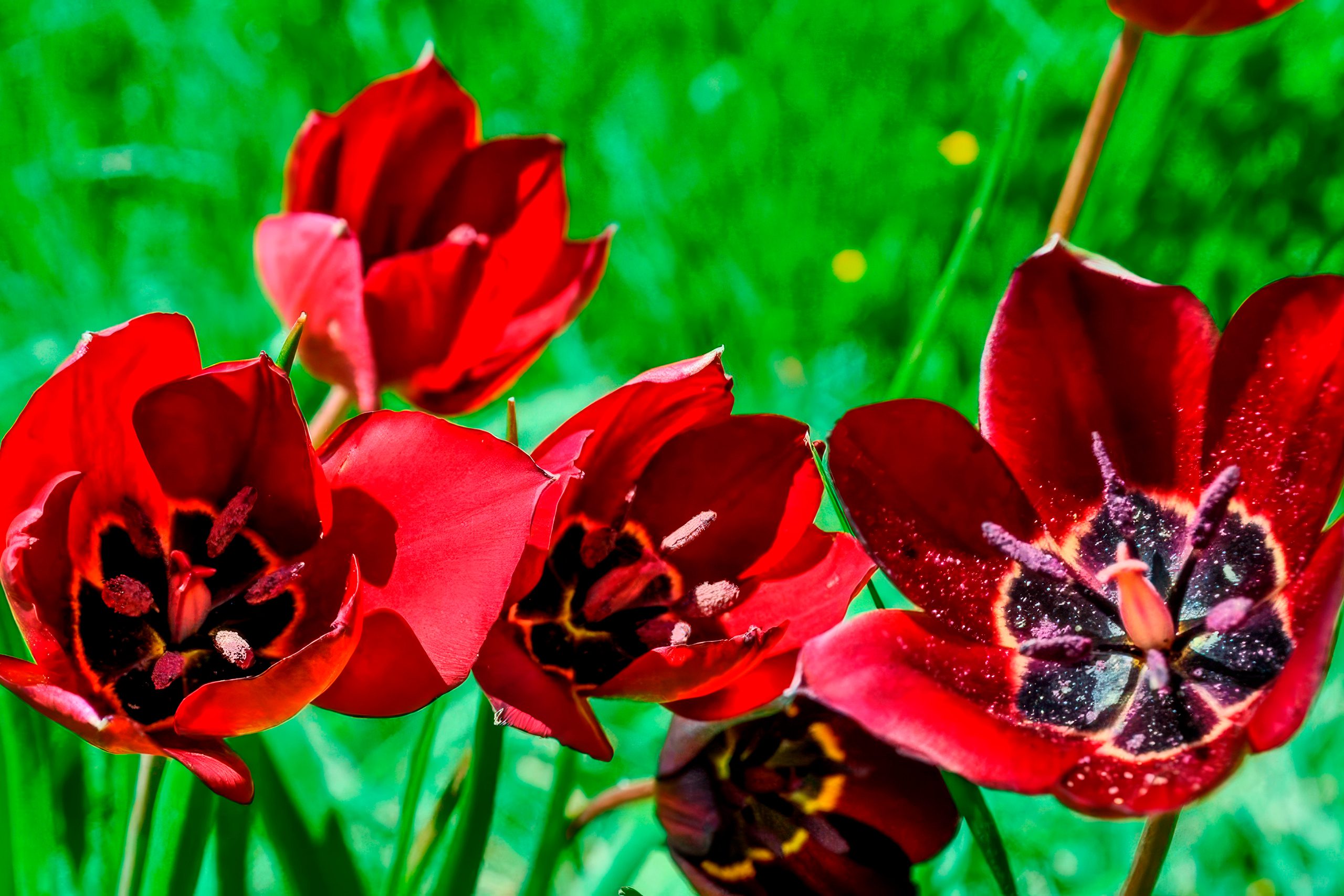
One captivating feature is the “sea fog” – summer mists creating rain-like dew for plants, with rates up to 0.5mm daily. Akamas holds Cyprus’s biodiversity record with 40 orchid species in spring. Endemic flora like the Akamas tulip blooms in upland pockets after winter rains, a sight in March. And legends claim Aphrodite bathed in upland springs, with microclimates keeping them cool, tying climate to myths in ancient texts like Homer’s Odyssey (8th century BC).
Wildlife adaptations include the Cyprus scops owl’s calls echoing in gorges, studied by BirdLife Cyprus since 1979 with 200 pairs estimated. Summers’ heat concentrates herbs, enhancing essential oils in thyme, used in local remedies.
Deeper Environmental and Cultural Impacts
The microclimate’s coastal-upland mix has created rare niches, hosting 35 reptile species like the starred agama, adapted to rocky heats with basking behaviors. Heavy mist in uplands supports lichens with over 300 types, a biodiversity indicator per fungal studies by the Natural History Museum since 2000. This fosters ecosystems where species like the Cyprus orchid bee pollinate in brief wet periods, with populations monitored by Natura 2000 since 2004.
Environmentally, it faces erosion from flash floods, with EU projects since 2010 building check dams. Culturally, it influenced myths like nymphs in gorges, and festivals like Kataklysmos with water games celebrating upland springs. Socially, it dictated lifestyles – coastal fishing in mild winters, upland herding in cooler summers – and architecture, with cave dwellings for shade. This microclimate’s balance has sustained biodiversity, with 170 bird species migrating through, but rising seas risk 15% of coastal niches by 2100, per national reports.
Human impacts include ancient quarrying for limestone, where upland cools aided extraction, as studied in geoarchaeology by Vasiliki Kassianidou.
Akamas Peninsula Microclimate in Cyprus Today
Akamas’s microclimate continues to define Cyprus’s northwest, with coastal warmth supporting tourism – over 300,000 visitors annually for beaches like Blue Lagoon – while upland cools sustain forests. Climate change alters patterns, with summers 2°C hotter since 1960 per Meteorological Service data, leading to 10% less mist and stressing flora. Biodiversity faces threats, with conservation by the Forestry Department planting 50,000 trees yearly for habitat. Endemic species like the Akamas centaury are monitored in protected zones, with EU Natura 2000 covering 75% of the peninsula since 2004. Modern adaptations include eco-lodges using upland breezes for natural cooling, reducing energy by 30%. This microclimate shapes identity, with festivals like “Akamas Nature Day” celebrating biodiversity, blending ancient rites with contemporary eco-awareness.
Opportunities for Exploration
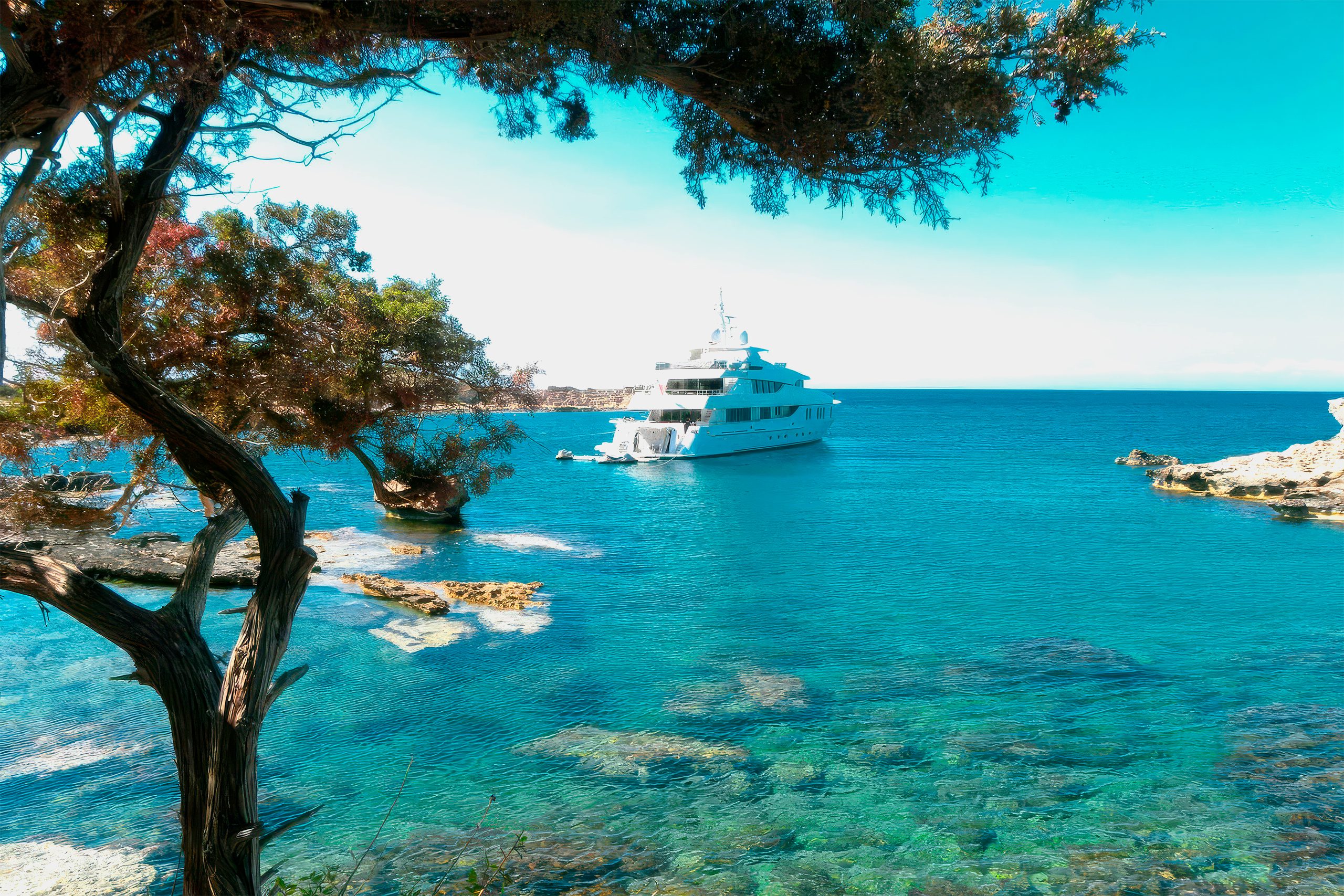
Akamas National Park offers hiking trails to view niches, open year-round with free entry. Boat tours from Latchi to coastal coves cost €20 for biodiversity spotting. Guided wildlife tours by the Cyprus Tourism Organization cost €15-20 to see endemic flora. Spring orchid walks in April pair with village stays for microclimate insights. Many sites have online cams for remote viewing.
A Microclimate of Rare Niches
Akamas Peninsula Microclimate, with unique coastal and upland combinations, has created rare ecological niches with high biodiversity, defining Cyprus’s northwest diversity. This pattern’s balance has fostered unique habitats and human adaptations, from ancient myths to modern challenges. Knowing it deepens appreciation for Cyprus as a resilient microclimate haven. Engagement with its zones or species evokes wonder at nature’s variety. In a changing climate, it reminds of the need to safeguard this delicate balance.