Explore Cyprus with Our Interactive Map

Explore our top stories and discover ideas worth your time.

Best Cities in Cyprus For Retirees

Best Cities in Cyprus For Retirees

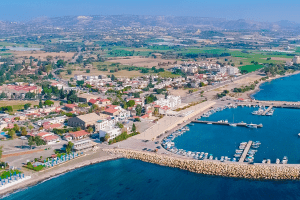
Cyprus has become one of Europe's most attractive retirement destinations, drawing more than 100,000 foreign retirees to its shores. The Mediterranean island offers a combination of year-round sunshine, affordable living costs, excellent healthcare, and favorable tax benefits. Shutterstock-com With over 320 sunny days annually, temperatures rarely dropping below 10°C in winter, and summers averaging 30-35°C, the climate alone makes Cyprus appealing. The island's strategic location between three continents, two international airports, and widespread English usage create an environment where retirees can maintain connections with loved ones while enjoying a relaxed Mediterranean lifestyle. A Mediterranean Haven for International Retirees Cyprus began attracting international retirees in significant numbers after introducing specialized visa programs in 2007. The island's appeal extends beyond weather and beaches. British nationals make up approximately 60,000 property owners, with about 50% concentrated in the Paphos district alone. This established expat presence means English-language services, familiar products, and social networks are readily available. Shutterstock-com The island's history as a British colony until 1960 left lasting infrastructure improvements and an administrative system that many Western retirees find familiar. Today, Cyprus offers two main residency paths for non-EU retirees: the renewable temporary residence permit (Pink Slip) requiring proof of annual income of at least €9,568, or permanent residency through property investment starting at €300,000. What Makes a City Retirement-Friendly Several factors determine…

Read more

Cypriot Lyra

Cypriot Lyra

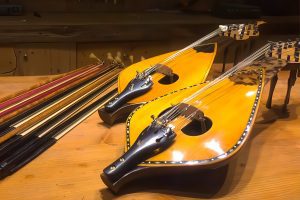
The Cypriot lyra is a bowed string instrument with a distinctive sound and playing style, at the heart of village music traditions and improvisation in Cyprus. It keeps alive ancient modal systems that date back to Byzantine times, blending melody and rhythm in ways that echo the island's rich history. This humble yet expressive tool has shaped Cypriot folk culture for centuries, raising questions about how such a simple device captures the soul of a people. facebook-com A Timeless Voice of the Island The Cypriot lyra represents a key element of the island's musical heritage, a three-stringed bowed instrument that produces haunting, resonant tones unique to Mediterranean folk traditions. Crafted from local woods like walnut or mulberry, its pear-shaped body and goat-skin membrane create a sound that is both melancholic and vibrant, often compared to a human voice in its emotional range. Played vertically on the knee, it allows for intricate bowing and fingering techniques that facilitate spontaneous improvisation, a hallmark of Cypriot music. This instrument is not merely a musical device but a cultural symbol, embodying the blend of Eastern and Western influences that define Cyprus's identity. The Historical Roots of the Lyra The lyra's origins trace back to the medieval Byzantine era, evolving from the ancient kithara and rebab-like instruments introduced through trade and conquest. Archaeological evidence from…

Read more
Troodos Ophiolite Cyprus

Troodos Ophiolite Cyprus

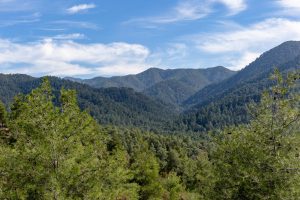
If you ever want to surprise someone in Cyprus, do not take them to a museum. Take them to Troodos. As you drive up from any direction you will first pass citrus groves, almond orchards and vineyards. Then pine appears. The air cools. The road winds higher. Somewhere above the clouds you stop, step out of the car and pick up a stone. Michal Klajban And you are holding a piece of the Earth that once lay kilometres beneath a vanished ocean. This is not a poetic exaggeration. Troodos is one of the very few places on the planet where a complete section of oceanic crust and upper mantle stands above sea level. What scientists normally reach only with deep-sea drilling ships, submarines and expensive research programmes lies here beside hiking paths, picnic sites and village roads. Within roughly fifty kilometres you can travel from rocks that formed deep inside the mantle to rocks that erupted on the seafloor, then into sediments that later surrounded the rising island. You are not simply climbing or going down a mountain. You are walking through the internal anatomy of the Earth itself. In the 1960s geologists were still debating whether continents actually moved. The theory of plate tectonics existed but needed proof. Troodos provided it. Here, predictions matched reality: magma chambers, feeder dykes…

Read more