Explore Cyprus with Our Interactive Map

Explore our top stories and discover ideas worth your time.

Halloumi and Festival Foods of Cyprus

Halloumi and Festival Foods of Cyprus

Cyprus is a culinary treasure trove where traditional flavors meet modern tastes, and nowhere is this more evident than in its cheese and festival foods. Halloumi, the island’s most famous export, embodies the island’s culture, history, and social life. Beyond its grillable texture and unique flavor, halloumi represents centuries of agricultural tradition, village cooperatives, and community heritage. In-Cyprus Cyprus’s festival foods, from grape harvest sweets to carnival pastries, highlight seasonal cycles, religious celebrations, and communal joy. For locals and visitors alike, tasting halloumi with a slice of watermelon, sampling fresh loukoumades, or savoring grape must treats is a journey into the island’s heart. These foods are not just meals, they are symbols of hospitality, identity, and Cypriot tradition. Halloumi - Cyprus’s Culinary Icon Halloumi is a semi-hard, white cheese with a high melting point, allowing it to be fried or grilled without losing shape. In 2021, it received Protected Designation of Origin (PDO) status, meaning only cheese produced in Cyprus according to traditional methods can bear the name “halloumi.” Traditionally made from goat and sheep milk, PDO regulations require at least 25% of these milks during peak seasons, increasing annually to reach 50% by 2029. Modern production sometimes incorporates cow’s milk, especially for export, but true Cypriot halloumi remains rooted in traditional dairy practices. Wikipedia-Com Interestingly, Cypriots enjoy halloumi in…

Read more

Troodos Pine Cedar Forests

Troodos Pine Cedar Forests

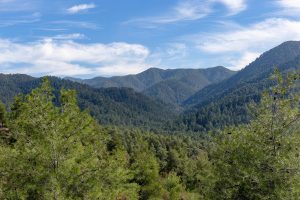
Mediterranean Pine and Cedar Forests (Troodos) consist of high-altitude woodlands in Cyprus's central mountains, featuring endemic tree species that play a crucial role in soil conservation and provide habitats for unique fauna. These forests, dominated by black pine and Cyprus cedar, cover about 18% of the island and support a diverse ecosystem adapted to the Troodos's alpine conditions. They represent a vital natural legacy, where ancient trees anchor the landscape against erosion while sheltering species found nowhere else on Earth. turbinatravels-com A Timeless Woodland in the Highlands The Mediterranean pine and cedar forests of Troodos form a distinctive high-altitude ecosystem, where dense stands of conifers create a canopy that moderates the island's climate and nurtures biodiversity. Rising from 1,200 to 1,952 meters at Mount Olympus, these woodlands transition from lower maquis scrub to pure pine zones, with Cyprus cedar (Cedrus brevifolia) clustered in pockets like the Cedar Valley. The forests' structure—tall pines with understories of endemic shrubs—prevents soil loss on steep slopes, while their roots stabilize the ophiolite soils unique to Troodos. This environment supports over 750 plant species and serves as a refuge for fauna like the mouflon sheep, making it a cornerstone of Cyprus's natural heritage. wikimedia-org The Troodos range, covering 9,200 hectares of forested area, acts as a climatic regulator for the island, capturing moisture from westerly…

Read more
Greek Independence Day Cyprus

Greek Independence Day Cyprus

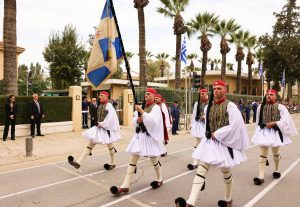
March 25 stands as a major public holiday in Cyprus, commemorating Greek Independence Day alongside the religious Feast of the Annunciation. The day celebrates the beginning of the Greek War of Independence in 1821 when Greeks rose against nearly 400 years of Ottoman rule. cyprusmail-com For Cyprus, this holiday holds special significance beyond historical solidarity, representing the deep cultural, linguistic, and religious bonds between Greek Cypriots and mainland Greece. The celebration is particularly important for Greek Cypriots, who see parallels between Greece's struggle for freedom and their own fight for independence from British rule that succeeded in 1960. The Historical Background of the Revolution Greece had been under Ottoman control since the mid-15th century when Constantinople fell in 1453. For nearly four centuries, Greeks maintained their cultural identity through language, Orthodox Christianity, and collective memory of their ancient heritage. The revolution was officially declared by Bishop Germanos of Patras on March 25, 1821, at the Agia Lavra Monastery near Kalavryta. The date was specifically chosen to coincide with the Feast of the Annunciation, blending the struggle for political freedom with religious significance. The revolutionary slogan "Eleftheria i Thanatos," meaning "Freedom or Death," became the rallying cry. This powerful phrase represented the determination of Greeks who pledged they would rather die than continue living under subjugation. The banner of revolution became…

Read more