Explore Cyprus with Our Interactive Map

Explore our top stories and discover ideas worth your time.

Erimi-Pamboula Cyprus

Erimi-Pamboula Cyprus

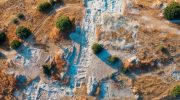
Erimi-Pamboula sits quietly in southern Cyprus, yet this ancient settlement tells one of the island's most important stories. From 3500 to 2900 BC, this village thrived along the Kouris River, giving its name to an entire culture that shaped Cyprus for over a thousand years. -reddit-com Erimi-Pamboula represents the heart of what scholars call the Chalcolithic period in Cyprus, a time when people first combined stone tools with early metalwork. The settlement stretched across 15 hectares on a low plateau just three miles from the coast, where the Kouris River provided fresh water and access to valuable resources. The village was large enough and influential enough that the entire cultural period became known as the "Erimi culture," a name still used today. The site rests within what is now the modern village of Erimi, located in the Kouris River valley. This valley has attracted people for thousands of years because of its natural advantages. Historical Background The modern story of Erimi-Pamboula begins in 1933. Cypriot archaeologist Porphyrios Dikaios arrived at the site and spent three years excavating what would become one of the most important prehistoric settlements in Cyprus. Though Dikaios only uncovered about 150 square meters, he found layers of occupation stretching 5.5 meters deep, revealing centuries of continuous human activity. nicosia-castle-auctions-com His work laid the foundation for understanding…

Read more
Active Travel Routes for Walkers and Cyclists in Cyprus

Active Travel Routes for Walkers and Cyclists in Cyprus

Cyprus offers diverse terrain for walkers and cyclists, from coastal paths to mountain trails. The island covers 9,251 square kilometers and features everything from sea-level beaches to Mount Olympus at 1,952 meters. activatecyprus-com With approximately 90 walking trails and 45 designated cycling routes, Cyprus attracts outdoor enthusiasts year-round. The compact size means you can experience dramatic changes in scenery within short distances. Most trails are managed by the Department of Forests, while villages maintain additional local routes. The infrastructure includes marked paths, information boards, and benches at viewpoints, making exploration accessible to various fitness levels. The Historical Development of Active Routes Cyprus developed its trail network gradually over decades. The E4 European Long Distance Path section opened in 2005, connecting Larnaca and Paphos airports across 540 to 660 kilometers. This addition made Cyprus part of a 10,450-kilometer route stretching from Gibraltar to Cyprus through nine countries. Nature trails in areas like Troodos and Akamas existed before the E4, but the long-distance path created a unified system. The European Ramblers Association coordinates the E4 internationally, while the Cyprus Tourism Organisation manages the national cycling network. Many trails follow ancient routes, including old camel trails once used to transport copper from mines to ports. Medieval Venetian bridges from the 15th century mark some historic pathways. The network expansion continues, with new routes…

Read more
Cyprus Material Symbolism Traditions

Cyprus Material Symbolism Traditions

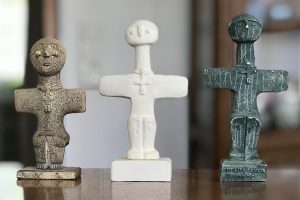
Material Symbolism (Stone, Bronze, Gold, Glass) in ancient Cypriot art reflected deliberate choices where each substance carried layers of spiritual, social, and economic significance. Stone embodied enduring strength drawn from the island's landscape, bronze represented transformation and resilience, gold signified divine favor and elite status, and glass evoked wonder through its luminous qualities. This intentional selection transformed artifacts into carriers of meaning, highlighting how materials conveyed broader cultural values in a society shaped by trade, ritual, and belief. estateofcyprus-com Materials as Carriers of Cultural Meaning Ancient Cypriot art utilized materials not merely for their practical properties but as elements infused with symbolism. Stone, bronze, gold, and glass each evoked specific associations, drawn from the island's natural resources and imported influences. Stone's durability suggested permanence and connection to the earth, bronze's forged nature symbolized human mastery over elements, gold's rarity and luster implied celestial or royal authority, and glass's translucence hinted at ethereal mystery. These choices formed a visual language that intertwined spiritual beliefs with social hierarchies and economic realities, evident across artifacts from domestic items to temple offerings. metmuseum-org Historical Development of Material Use The symbolic role of materials in Cypriot art emerged in prehistoric periods, around 8000 BC during the Neolithic era, when local stones and clays were shaped into basic figurines. By the Bronze Age, beginning approximately 2500…

Read more