Explore Cyprus with Our Interactive Map

Explore our top stories and discover ideas worth your time.

Cyprus International Music Festivals

Cyprus International Music Festivals

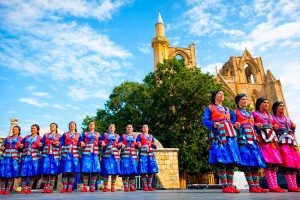
Cyprus hosts a small but distinctive network of international music festivals that unfold across ancient theatres, medieval abbeys, and open Mediterranean landscapes. Rather than existing as isolated events, these festivals reflect how the island uses music to connect heritage, geography, and contemporary cultural life. This article explains how Cyprus’s major international music festivals developed, why their venues matter as much as the performances, and how they continue to shape the island’s cultural identity today. cyprusholidayadvisor-com Music Festivals as Cultural Bridges Cyprus sits at the crossroads of Europe, the Middle East, and the Eastern Mediterranean, and its music festivals mirror that position. From classical chamber concerts to jazz, opera, and cross-genre experimentation, festival programming is deliberately international in scope. Rather than focusing on a single musical tradition, Cyprus’s festivals operate as cultural bridges. They bring together artists from Europe, the Middle East, and beyond, often in places shaped by centuries of layered history. Music becomes a neutral language in spaces once defined by empire, religion, or conflict. The Core Festivals That Define the Scene Several institutions form the backbone of Cyprus’s international music calendar. In the Turkish-occupied area, the so-called “International Music Festival”, held illegally by the Turkish authorities, has grown into a long-running annual event, typically held in early autumn. Organised by the so-called “Northern Cyprus Musical Association”, it features…

Read more

Religious Life in Cyprus

Religious Life in Cyprus

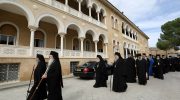
Religious life in Cyprus centers on Orthodox Christianity, which defines cultural identity for approximately 90 percent of Greek Cypriots even among those who rarely attend services. The Church of Cyprus holds autocephalous status, meaning it governs itself independently while remaining in communion with other Orthodox churches worldwide. This independence, granted at the Council of Ephesus in 431 AD, has survived centuries of foreign occupation including Frankish Crusaders, Venetian merchants, Ottoman Turks, and British colonizers. The church functioned not just as religious institution but as guardian of Greek language, culture, and national identity during periods when political sovereignty was impossible. pursuingveritas-com Orthodox practice structures daily life through home iconostases with burning oil lamps, morning and evening prayers, feast day celebrations, and approximately 180 annual fasting days. The liturgical calendar organizes social activities, agricultural work, and family gatherings around major celebrations including Easter, the Dormition of the Virgin Mary on August 15, and hundreds of local patron saint festivals called panigyria. Ancient Christian Foundations on the Island Christianity reached Cyprus in 45 AD when the Apostle Paul traveled with Barnabas, a native Cypriot, and Mark the Evangelist from Syrian Antioch. They arrived first at Salamis on the eastern coast before crossing westward to Paphos, where they converted Sergius Paulus, the Roman proconsul governing Cyprus. This conversion made Cyprus the first territory in…

Read more
Maronite Villages of Cyprus

Maronite Villages of Cyprus

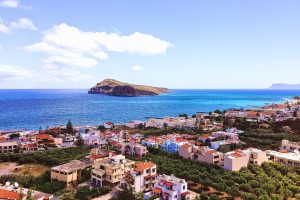
The Maronite community of Cyprus represents one of the island's smallest yet most distinctive religious groups, descended from Arab Christians who fled persecution in modern-day Syria and Lebanon starting in the 8th century. Today approximately 7,500 to 10,000 Maronites live on Cyprus, though their numbers have declined dramatically from an estimated 80,000 in the 13th century when they inhabited 60 villages across the island. aljazeera-com Four traditional Maronite villages remain: Kormakitis, Asomatos, Agia Marina, and Karpasha, all located in the Turkish-controlled part of Cyprus. These communities maintain unique cultural practices, including speaking Sanna, a critically endangered Arabic dialect that preserves traces of Aramaic and represents one of the world's rarest languages. Four Waves of Migration from the Levant The Maronite presence in Cyprus developed through four distinct waves of emigration from the Levant between the 7th and 13th centuries. The first wave began around the 8th century when Islamic conquests radiated outward from the Arab Peninsula, prompting many Christians to abandon Syria and Lebanon for safer territories. These early migrants brought with them an Arabic dialect heavily influenced by Aramaic, the language spoken in the region before Arab invasion. libshop-fr In 938, the destruction of St Maron's Monastery in Lebanon triggered a second wave of refugees seeking sanctuary on Cyprus. Saint Maron, a 4th century hermit who became the spiritual…

Read more