Explore Cyprus with Our Interactive Map

Explore our top stories and discover ideas worth your time.

Phyti Weaving Tradition

Phyti Weaving Tradition

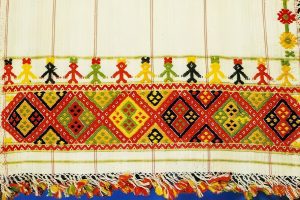
Phyti Weaving Tradition is a distinctive Cypriot craft originating from the village of Phyti, involving highly symbolic woven textiles characterized by bright colors and ritual motifs, originally created for dowries and ceremonial purposes. This handmade art form uses intricate patterns on cotton or linen fabrics to convey themes of protection, fertility, and harmony, passed down through generations of female artisans. Recognized as part of Cyprus's intangible cultural heritage, it embodies the island's blend of ancient symbolism and practical beauty, preserving a legacy of women's creativity in rural life. vkcyprus-com A Timeless Craft of Color and Symbol Phyti weaving stands as a vibrant expression of Cypriot textile heritage, where artisans produce fabrics adorned with geometric designs and bold hues that hold deep symbolic value. Centered in the village of Phyti in the Paphos District, this tradition focuses on hand-loomed cotton or linen pieces, often in red, blue, and yellow, featuring motifs like diamonds for protection or crosses for faith. These textiles were historically crafted by women for dowries - essential marriage gifts symbolizing a bride's skill and family's prosperity - or ceremonial uses like altar cloths in churches. The craft's emphasis on ritual patterns reflects a worldview where everyday items carried spiritual weight, blending utility with meaning in Cypriot rural life. cyprusbutterfly-com The process begins with "dafna," a counted thread technique…

Read more

Cyprus Clay Pots Ceramics

Cyprus Clay Pots Ceramics

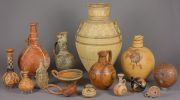
Cyprus has been shaping clay into beautiful vessels for over 7,000 years. The pottery tradition on this Mediterranean island represents one of the longest continuous craft practices in human history. cycladic.gr From ancient times to modern workshops, Cypriot ceramics tell a story of skilled hands, local materials, and cultural exchange. The distinctive red clay pots, elegant jugs, and decorative vessels created here have become symbols of the island's creative spirit and its role as a crossroads between civilizations. Historical Context The ceramic story in Cyprus begins during the Neolithic period around 4400 BCE, when early settlers started working with the island's abundant clay deposits. These first potters created simple vessels with red and white decorations that were surprisingly uniform across the island. Unlike mainland pottery of the same era which showed regional variations, Cypriot ceramics developed a consistent style that hinted at shared cultural practices. knews-kathimerini-com The real transformation came during the Bronze Age, starting around 2600 BCE. Cyprus sat at a strategic location between Egypt, the Hittite empire, and Mycenaean Greece, which turned the island into a vital trading hub. Cypriot potters continued to handcraft their vessels even after the pottery wheel had been invented elsewhere. This traditional approach lasted until about 1500 BCE and produced ceramics of such high quality that they became sought-after commodities throughout the Mediterranean.…

Read more
How Climate Shapes Outdoor Lifestyles in Cyprus

How Climate Shapes Outdoor Lifestyles in Cyprus

Cyprus enjoys approximately 340 sunny days annually, making it one of the sunniest locations in the Mediterranean. This exceptional weather creates a culture where outdoor activities dominate daily life year-round. The island experiences long, dry summers from mid-May to mid-October and mild winters from December to February. Shutterstock-com Average annual temperature on the coast reaches around 26 degrees Celsius during the day and 17 degrees at night. The warm season lasts about eight months, beginning in April and ending in November. This climate allows residents and visitors to maintain active outdoor lifestyles regardless of season. Why Cyprus Developed an Outdoor Culture The island sits at the crossroads of Europe, Asia, and Africa. Its position attracted ancient civilizations including Phoenicians, Greeks, Romans, Byzantines, Venetians, Ottomans, and British. Each culture adapted to the Mediterranean climate by organizing life around weather patterns. People worked early mornings before heat intensified, took midday breaks during peak temperatures, then resumed activities in cooler late afternoons. Ancient Greeks established the concept of symposia, outdoor gatherings for discussion and meals. Romans built open-air theaters and baths to take advantage of pleasant weather. Byzantine churches incorporated courtyards for outdoor worship. These historical patterns created traditions that continue today. The climate essentially forced outdoor living, and over centuries this necessity became cultural preference. The British colonial period from 1878 to…

Read more