Explore Cyprus with Our Interactive Map

Explore our top stories and discover ideas worth your time.

Madari Peak

Madari Peak

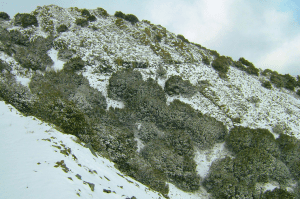
Madari Peak rises to 1,613 metres in the eastern Troodos Mountains, crowned by a fire lookout tower that watches over one of Cyprus's most popular hiking destinations. Madari forms part of Mount Adelfoi in the vast Adelfoi Forest, a protected area of dense pine, cedar, and oak trees covering over 120 square kilometres. thepalmiers-com The peak sits between the Nicosia and Limassol districts, accessible from villages like Kyperounta, Spilia, and Chandria that cluster on the lower slopes. Unlike Mount Olympus, which attracts visitors mainly for its summit status, Madari draws hikers for its dramatic rock formations, exceptional viewpoints, and network of interconnected trails that suit different fitness levels. The fire lookout station at the summit provides 360-degree views across the island. On clear days, the panorama extends from the Mesaoria Plain to the north, where Morphou Bay meets the sea, across to the central Troodos range in the west, and down to southern villages and coastline. The station remains operational, part of Cyprus's forest fire prevention system, but visitors can climb to viewing platforms that offer the same sweeping perspectives. Historical Background The Troodos Mountains emerged approximately 92 million years ago as part of the Troodos Ophiolite Complex, uplifted oceanic crust from the ancient Tethys Ocean. Madari consists of the same serpentinized harzburgite rock found throughout the range, representing mantle…

Read more

Pelendri Cyprus Historic Village Vineyards Churches

Pelendri Cyprus Historic Village Vineyards Churches

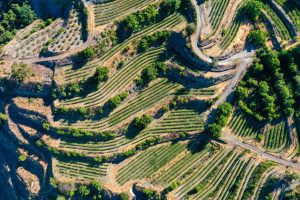
Pelendri is a mountain village in the Limassol district known for its UNESCO World Heritage church, traditional architecture, and established wine production. It’s located in the Pitsilia region at 880 meters altitude and 40 kilometers from Limassol. The village combines medieval history with contemporary viticulture in a setting of steep valleys and high peaks. mytroodos.com Despite being built on relatively barren slopes, the area benefits from approximately 750 millimeters of annual rainfall, which supports diverse cultivation and natural vegetation. Several tributaries cross through the area, providing water resources that sustain both agriculture and forest growth. The administrative boundaries of Pelendri include portions of the Troodos state forests and monastery forests. Natural vegetation includes pines, wild olives, plane trees, and various indigenous shrubs, with uncultivated areas maintaining rich plant diversity. Historical Background Historical records confirm Pelendri as an established settlement during the medieval period. Louis de Mas Latrie, documenting Cyprus during Lusignan rule, refers to the village as Pelendres or Pelondres. In 1353 it was a fief of John de Lusignan, Prince of Antioch and a member of the royal family of Cyprus. Medieval chronicler Georgios Boustronios mentioned the village twice in his writings. He recorded that around 1461, a wealthy merchant named Satin lived in Pelendri, indicating commercial activity in the settlement. Boustronios also documented two farmsteads in the Pelendri…

Read more
Wild Oregano treasure hunt

Wild Oregano treasure hunt

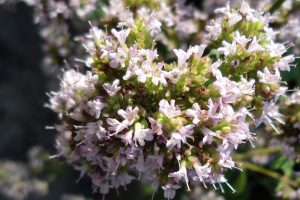
Imagine wandering the sun-drenched paths of Cyprus's Troodos Mountains, where a humble herb releases a spicy, earthy aroma that whispers of age-old remedies and hearty island feasts. This is oregano, a wild treasure that's flavored Cypriot life for centuries, inviting us to uncover its simple joys and hidden strengths. www.inaturalist.org A Spicy Star in the Mint Family Oregano is a fragrant herb from the vast Lamiaceae family, a group that includes over 7,000 species worldwide, like mints, sages, and basils – all sharing square stems and leaves packed with essential oils that give them their punchy scents and flavors. In Cyprus, it grows as a tough little bush in rocky spots, a classic example of Mediterranean wild plants that thrive in harsh, sunny environments. A Gift from Mountain Spirits The name "oregano" springs from ancient Greek words – "oros" for mountain and "ganos" for joy – beautifully capturing how this resilient plant thrives on sunny hillsides and brings simple delight to those who stumble upon it. In Cyprus, its tale reaches back to the island's earliest settlers around 10,000 years ago, who likely gathered it for nourishment and healing, much like their kin across the Mediterranean waves. Locally known as ρίγανη (rigani), it echoes this joyful legacy, cherished by ancient inhabitants for its seasoning and soothing powers long before tales…

Read more