Explore Cyprus with Our Interactive Map

Explore our top stories and discover ideas worth your time.

Veined Sainfoin of Cyprus

Veined Sainfoin of Cyprus

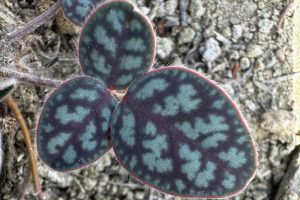
In the sunny landscapes of Cyprus, a little plant called veined sainfoin (Onobrychis venosa) adds pops of pink to rocky hillsides. This endemic wildflower, unique to the island, thrives in tough spots and has a story tied to Cyprus's natural history. But what makes its veiny leaves and blossoms so special? What Exactly Is This Charming Cypriot Wildflower? Onobrychis venosa is a small, wild herb that's part of the legume family, like peas or beans. It's a perennial plant, meaning it comes back year after year, and it's found only in Cyprus, making it a true island native. How Did This Plant Bloom from Cyprus's Ancient Soils? The origins of Onobrychis venosa trace back to the island's geological past, where tectonic shifts and volcanic activity created diverse habitats over millions of years. First described in the early 19th century by botanists Desfontaines and Desvaux, it was named for its distinctive veined appearance. As Cyprus evolved in isolation in the Mediterranean, this plant adapted to dry, bushy slopes, becoming one of the island's endemic treasures. Picture This: A Low-Growing Beauty with Striking Veins This herb grows just 10 cm tall, spreading out wide with a short stem and alternate leaves that are compound and feather-like, marked by prominent veins that give it a textured look. Its flowers cluster in spikes, blooming…

Read more
Choirokoitia Nature Trail

Choirokoitia Nature Trail

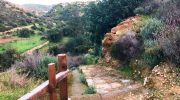
Cyprus holds secrets within its dry earth and sun-bleached stones. Choirokoitia stands as a premier testament to human endurance and early architectural skill. This Neolithic settlement predates most modern civilizations. It sits perched on a hillside near the Maroni River.  Visitors feel a shift in time as they approach the rugged landscape. The air carries scents of wild thyme and carob trees. History breathes through the ancient limestone walls. This nature trail connects the archaeological site to the natural world. It provides a bridge between past lives and current footsteps. Every turn reveals a new perspective on how ancestors lived. The journey starts here. Trail Overview Location: Choirokoitia Village, Larnaca District, Cyprus Distance: 2.4 kilometers (1.5 miles) Route Type: Out & Back Difficulty: Moderate Elevation Gain: 120 meters Duration: 45 to 60 minutes Best Time to Visit: February to April Terrain: Dirt paths and stone steps The Historical Significance of Choirokoitia The United Nations Educational, Scientific and Cultural Organization recognizes this location as a World Heritage site. It represents one of the most important prehistoric sites in the eastern Mediterranean.  The settlement dates back to the 7th millennium BC. Residents built circular houses out of mudbrick and stone. These structures demonstrate an advanced grasp of communal living and defense. The trail circles these ruins and provides an elevated view of…

Read more
Cyprus Artisanal Sweets

Cyprus Artisanal Sweets

Cyprus has developed a distinctive collection of traditional sweets that reflect centuries of cultural exchange between Greece, the Middle East, and the Mediterranean. These artisanal treats are not luxury items but essential parts of daily life, religious celebrations, and village festivals. From honey-soaked dough balls to sesame confections and refreshing milk puddings, Cypriot sweets combine simple ingredients with time-tested techniques to create memorable flavors. Each sweet tells a story of the island's agricultural abundance, its position as a crossroads of civilizations, and its commitment to preserving culinary heritage. Historical Context The tradition of sweet-making in Cyprus dates back to ancient Greece and Byzantium. Historical texts reveal that many current recipes have roots in Byzantine-era treats called plakoundes, pemmata, or melipikta. These early sweets were made with dough and natural sweeteners like honey, carob syrup, or grape must. The word halva derives from the Arabic term for sweetness, reflecting the Ottoman influence that shaped Cypriot cuisine for centuries. Loukoumades trace their history to 776 BC, when ancient Greeks offered honey-soaked dough balls as prizes to Olympic athletes. The tradition survived through Byzantine times, when monasteries made these treats during Lent because they contained only flour, yeast, water, and honey. As different cultures settled in Cyprus, they brought their own variations and techniques, creating the diverse sweet traditions that exist today. The…

Read more