Explore Cyprus with Our Interactive Map

Explore our top stories and discover ideas worth your time.

The Curse of Myrrha (Smyrna)

The Curse of Myrrha (Smyrna)

The story of Myrrha, also known as Smyrna in some versions, stands among the most tragic narratives in Greek mythology and is deeply connected to the mythological landscape of Cyprus. She is remembered as the daughter of King Kinyras, the legendary ruler associated with sacred kingship and the cult of Aphrodite. Her tale links Cyprus not only to themes of divine love and beauty through Adonis, but also to darker themes of transgression, punishment, and transformation. This myth became an important narrative explaining the origins of Adonis, a figure whose death and rebirth were closely tied to fertility cycles and seasonal renewal in Mediterranean religious tradition. The inclusion of Myrrha in Cypriot mythological heritage reflects the island’s role as a cultural bridge between Greek storytelling and local religious identity. Her story, though tragic, serves as a foundation for the later cult of Adonis, whose association with Aphrodite made Cyprus central to his worship. Through Myrrha, themes of suffering, metamorphosis, and regeneration become embedded in the island’s mythic past, shaping its symbolic connection to life cycles and sacred transformation. The Nature of the Curse According to myth, Myrrha incurred the wrath of Aphrodite and was cursed with an unnatural desire for her father, King Kinyras. The reasons for the goddess’s anger vary across ancient sources, but often involve a perceived insult…

Read more

Why Retirement in Cyprus Popular Among Europeans

Why Retirement in Cyprus Popular Among Europeans

Cyprus has emerged as one of Europe's top retirement destinations, attracting thousands of retirees annually with its combination of Mediterranean climate, favorable tax treatment, and accessible healthcare. The island offers multiple pathways to residency for retirees from EU and non-EU countries, with costs and requirements that make long-term settlement achievable for many pensioners. Understanding why Europeans choose Cyprus for retirement reveals practical advantages that extend beyond the obvious appeal of year-round sunshine. The Tax Advantage That Changes Everything Cyprus offers one of Europe's most attractive tax regimes for foreign pension income. Tax-resident retirees can choose between two taxation methods for their foreign pensions. The first option applies a flat 5% tax rate on pension income exceeding €5,000 annually, with amounts below this threshold remaining exempt. The second option taxes pension income at progressive rates ranging from 20% to 35% based on total earnings. Most retirees select the 5% flat rate, which dramatically reduces tax burdens compared to home countries. A British retiree paying 40% tax in the UK who moves to Cyprus immediately cuts their pension tax to just 5% on amounts over €5,000. This difference adds thousands of euros to annual retirement income without any change to the pension itself. Cyprus maintains double taxation agreements with 67 countries including the UK, United States, Germany, France, and most EU members.…

Read more
Bottletrees In Cyprus

Bottletrees In Cyprus

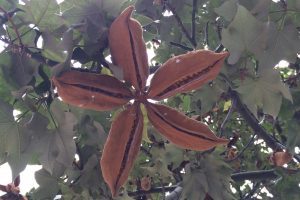
Imagine strolling through a sunlit park in Limassol or Nicosia when suddenly a tree bursts into vivid scarlet flowers, turning the branches into a living flame against the blue sky. These are the Brachychiton trees — Australian visitors that add a splash of dramatic color to our island's gardens and streets, whispering tales of distant lands. Bottle-Shaped Beauties Brachychiton trees are part of the vast Malvaceae family, the same group that gives us cotton, hibiscus, and cacao – plants known for their showy flowers and useful fibers. In Cyprus, they are tall, sturdy trees often grown for their striking looks and shade, fitting right into our warm, dry climate like old friends from afar. From Australian Bush to Cypriot Shores These trees first took root in the wild bushlands of Australia millions of years ago, evolving alongside kangaroos and koalas in a continent shaped by ancient isolation. They arrived in Cyprus during the British colonial era around the early 20th century, planted as hardy ornamentals to beautify towns and provide quick-growing shade, much like the eucalypts that came before them. Today, they stand as quiet reminders of how human wanderings have blended the world's green treasures. Swollen Trunks and Scarlet Spectacles What makes Brachychiton stand out is their bottle-shaped trunks, swollen at the base like natural water tanks to store…

Read more