Explore Cyprus with Our Interactive Map

Explore our top stories and discover ideas worth your time.

Ancient Ledra Early History of Nicosia

Ancient Ledra Early History of Nicosia

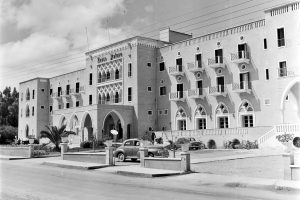
Ancient Ledra was a city-kingdom in the center of Cyprus where modern Nicosia stands today. It was established around 1050 BC and it became one of ten Cypriot kingdoms by the 7th century BC. Unlike coastal kingdoms that thrived on maritime trade, Ledra developed as an agricultural settlement in the fertile Mesaoria Plain. By Hellenistic times, it had dwindled to a small village before transforming into the capital city that continues to this day. Archaeological remains from ancient Ledra have been found in several areas around modern Nicosia. The Bronze Age settlement was located on Leontari hill, approximately 6.5 kilometers southeast of the historical city center. This platform measures about 200 by 300 meters and includes a small cemetery. Historical Background The kingdom of Ledra appears for the first time in historical records on a clay prism of the Assyrian king Esarhaddon, dated to 672 BC. The inscription refers to the settlement as "Lidir" and records its ruler as "Unasagusu," generally identified as Onasagoras, the only king of Ledra whose name we know. He is listed ninth among ten Cypriot kingdoms that paid tribute to Esarhaddon. The Assyrian text identifies Ledra as a "mat," meaning country or land, rather than a "kur," which denotes a city. This suggests that Ledra lacked a significant urban center and functioned more as a…

Read more
Traditional Animal Farming in Cyprus Rural Life

Traditional Animal Farming in Cyprus Rural Life

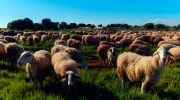
Traditional animal farming formed the economic and cultural foundation of Cyprus villages for millennia, with sheep, goats, cattle, pigs, and poultry sustaining rural communities through meat, milk, eggs, and raw materials for clothing and tools. The Bronze Age village of Politiko-Troullia from 2050 to 1850 BC already showed evidence of copper metallurgy alongside sheep, goat, cattle, and pig consumption, establishing patterns that persisted for 4,000 years. Sheep and goat farming developed particular importance due to their suitability for Cyprus's rocky terrain, scrubland vegetation, and semi-arid climate. These hardy animals provided the milk for halloumi, Cyprus's most famous product, which traditionally used only sheep and goat milk before modern commercial production began adding cow milk. The island maintained approximately 3,500 shepherds and goat farmers into the 20th century who followed transhumance patterns between lowland winter pastures and mountain summer grazing. This traditional system collapsed during the 1980s as modernization, European Union regulations, and urban migration transformed animal husbandry from small family enterprises into larger commercial operations. Ancient Livestock Traditions and Bronze Age Evidence Archaeological excavations at Politiko-Troullia in the Troodos foothills revealed sophisticated Bronze Age livestock management strategies that combined herding with copper metallurgy and crop cultivation. Faunal analysis identified consumption of sheep, goat, cattle, and pig as daily subsistence, with community-scale ritual feasting focused on fallow deer. The inhabitants practiced…

Read more

Delikipo Nature Trail

Delikipo Nature Trail

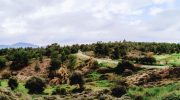
The path to nature offers a cure for the soul. Hidden in the Larnaca District stands the village of Delikipos. This spot remains a secret to many and keeps a quiet charm. Travelers seek this place for the fresh air and the green views. The route provides a chance to escape the city noise. You find peace here. The journey takes you through a land of pine and stone. Green trees cover the hills and offer shade from the sun. A hike here feels like a step back in time. The air smells of wild thyme and earth. Visitors love the calm mood of the forest. It serves as a perfect retreat. This trail is a gem for those who love the outdoors. The walk is not hard but offers great rewards. You see water and wildlife along the way. The path loops around and brings you back to the start. It is a short trip but full of beauty. Nature lovers value this special site. Trail Overview Location: Delikipos Village, Larnaca District Distance: 1.8 miles (2.9 km) Route Type: Loop Difficulty: Easy to Moderate Elevation Gain: 270 feet (82 meters) Duration: 1 to 1.5 hours Best Time to Visit: March to May or October to December Terrain: Dirt Roads and Forest Paths The Village Context Delikipos sits in a…

Read more