Explore Cyprus with Our Interactive Map

Explore our top stories and discover ideas worth your time.

Long-Distance Bus Travel Between Cyprus Cities

Long-Distance Bus Travel Between Cyprus Cities

The InterCity Buses company operates the primary network linking Nicosia, Limassol, Larnaca, Paphos, and the free Famagusta area. These routes run seven days a week throughout the year, with schedules designed to accommodate both weekday commuters and weekend travelers. Buses between Nicosia and Limassol depart every 30 minutes, with tickets costing between €6 and €8. The journey covers approximately 85 kilometers and takes between 1 hour 26 minutes and 1 hour 45 minutes, depending on traffic and specific route variations. The Larnaca to Paphos route passes through Limassol, creating a coastal corridor that serves tourist areas and residential zones. This route operates multiple times daily, though less frequently than the Nicosia-Limassol connection. Passengers can board at various stops along the way, making these buses practical for intermediate destinations. Routes also connect Nicosia with Paphos, Ayia Napa, and Paralimni. The free Famagusta area receives regular service from all major cities, ensuring residents have access to the broader transportation network. Each route features multiple departure times throughout the day, though frequency varies by demand and season. Understanding Service Frequency and Schedules On weekdays, the earliest bus from Limassol to Nicosia departs at 5:30 AM, with the last departure at 9:30 PM. Weekend and holiday schedules differ slightly, with first departures typically starting at 7:00 AM and final buses leaving around 10:30 PM.…

Read more
Sanctuary of the Great Mother (Avdimou)

Sanctuary of the Great Mother (Avdimou)

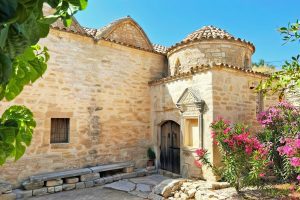
A cult site dedicated to the prehistoric fertility goddess, showing the continuity of worship from pagan fertility rites to later religious forms. The Sanctuary of the Great Mother in Avdimou represents a timeless spiritual hub in Cyprus, where ancient veneration of a fertility goddess evolved into Christian devotion to the Virgin Mary. Located in the rural village of Prastio Avdimou near the south coast, this site embodies the island's layered religious history, blending prehistoric fertility cults with Byzantine and medieval Christian practices. It highlights Cyprus's role as a crossroads of civilizations, where pagan rites centered on life, birth, and renewal transitioned seamlessly into the worship of Panagia, the "All-Holy" mother figure, fostering a enduring tradition of pilgrimage and miracle-seeking that persists today. A Cult Site of Continuity The Sanctuary of the Great Mother, embodied in the Church of Panagia Diakinousa in Prastio Avdimou, stands as a testament to Cyprus's spiritual evolution, nestled in a serene valley amid olive groves and rolling hills. This site, spanning less than a hectare but rich in symbolic depth, draws from prehistoric roots where fertility goddesses were honored for their power over life and nature. In ancient times, Cypriots revered a "Great Goddess" depicted in cruciform statues symbolizing childbirth, with hundreds of artifacts dating to 3000-2500 BC found across the island. The Avdimou area, with…

Read more
Cyprus Grape Harvest Festivals

Cyprus Grape Harvest Festivals

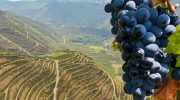
Cyprus grape harvest festivals represent one of the island's most enduring cultural traditions, celebrating the annual grape collection that has sustained Cypriot agriculture for over 6,000 years. These festivals occur primarily in September and October across wine-producing villages in the Troodos Mountains and Limassol district.  The celebrations combine ancient rituals honoring Dionysus, the Greek god of wine and fertility, with Orthodox Christian customs marking the agricultural cycle's completion. Communities gather to participate in traditional grape stomping, wine tastings, folk music performances, and the preparation of grape-based delicacies like palouzes and soutzoukos.  The festivals serve multiple functions, preserving winemaking knowledge across generations, strengthening village social bonds, and attracting tourism that supports rural economies. Villages including Pissouri, Vouni, Vasa Koilaniou, and Omodos each host distinct celebrations that showcase local wine varieties and traditional customs. Historical Background Archaeological evidence confirms wine production in Cyprus dates to approximately 4000 BC, making it one of the world's oldest wine-producing regions. The island's warm Mediterranean climate and mineral-rich volcanic soils in the Troodos foothills create ideal conditions for viticulture. Ancient Cypriots worshiped Dionysus through elaborate festivals that involved dramatic performances, processions, excessive wine consumption, and temporary suspension of social hierarchies. These Dionysian festivals occurred in late winter and early spring, celebrating nature's renewal after dormancy. Participants wore masks representing satyrs and maenads, Dionysus's mythological followers, and…

Read more