Explore Cyprus with Our Interactive Map

Explore our top stories and discover ideas worth your time.

Village Saints of Cyprus – Local Veneration Traditions

Village Saints of Cyprus – Local Veneration Traditions

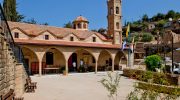
Cyprus possesses a long historical association with the 1st-century movement led by Barnabas and Paul, which introduced new ideological structures to the island. The regional records identify approximately 60 historical figures whose biographies have become central to local folklore and community heritage. These individuals range from administrative leaders to reclusive residents who inhabited the island's mountain caves. Each Cypriot village identifies with a specific historical figure whose commemorative day serves as a major annual social event. This tradition establishes a cultural link between medieval history and modern village identity, manifested through community festivals called panigyria that combine traditional ceremonies with public markets. Historical Background Christianity arrived in Cyprus around 46 AD when Barnabas and Mark visited the island. Barnabas, a native Cypriot from Salamis, became the first bishop of Cyprus and established the island's early Christian community. In 478, his grave was discovered beneath a carob tree with a copy of Matthew's Gospel resting on his relics. This discovery confirmed Cyprus's autocephalous status, granting the Church of Cyprus independence from the Patriarch of Antioch. The three privileges awarded by Byzantine Emperor Zeno included the right to sign documents in red ink, wear purple robes, and carry an imperial scepter instead of a pastoral staff. Spyridon is a notable figure from the 3rd century whose biography is deeply embedded in the…

Read more
Landscape Driven Villages of Cyprus

Landscape Driven Villages of Cyprus

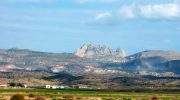
Cyprus villages evolved through intimate relationship between human settlement and natural terrain, creating communities shaped by mountains, valleys, water sources, and agricultural land. The island's dramatic geography, dominated by the Troodos Mountains rising to 1,952 meters and the northern Kyrenia Range reaching 1,024 meters, determined where people built homes and how they organized village life. Between these ranges lies the Mesaoria Plain, Cyprus's agricultural heartland where lowland villages spread across fertile flatlands. Mountain villages cling to steep slopes, terraced into hillsides at multiple elevations with buildings accessible from streets at different heights. This landscape adaptation created sustainable settlement patterns that persisted for millennia, balancing human needs with environmental constraints while maintaining agricultural productivity. The terracing, water management, and compact building forms demonstrate sophisticated understanding of terrain that allowed dense population while preserving productive farmland surrounding villages. Geography Determines Settlement Patterns Cyprus's two mountain ranges and central plain created distinct regional settlement types. Troodos foothill villages occupy elevations between 400 and 1,200 meters where mineral-rich volcanic soils support vineyards, fruit orchards, and olive groves. These villages developed around copper mining from the Bronze Age through the 20th century, combining agriculture with metallurgical industries that connected Cyprus to Mediterranean trade networks. Villages like Politiko-Troullia in the Troodos foothills prospered from copper resources less than one kilometer away while maintaining agricultural terraces on…

Read more
Cyprus Sustainable Tourism Standards

Cyprus Sustainable Tourism Standards

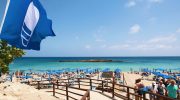
Cyprus operates one of the Mediterranean's most comprehensive eco-certification systems for tourism businesses and beaches. These certifications verify environmental performance, safety standards, and sustainable practices through strict criteria and regular audits. The island participates in internationally recognized programs managed by the Foundation for Environmental Education, the Global Sustainable Tourism Council, and independent certification bodies. Hotels, restaurants, beaches, and marinas pursue certification to demonstrate environmental responsibility, reduce operational costs, and meet growing consumer demand for sustainable tourism. The certification process requires documentation, training, operational changes, and annual verification. Cyprus currently maintains 66 Blue Flag certifications for beaches and marinas, while Green Key certification gains momentum among hospitality businesses. Building Certification Systems from the Ground Up The Blue Flag program arrived in Cyprus in 1994 through a joint initiative between the Cyprus’s Deputy Ministry of Tourism and the Cyprus Marine Environment Protection Association. Water quality analyses began in 1995, before Cyprus joined the European Union. Fig Tree Bay in Protaras became the first Cypriot beach to receive the Blue Flag in 1996. Green Key certification was launched in Cyprus more recently as hotels and accommodations sought formal recognition for sustainability efforts. The program serves multiple establishment types, including hotels with more than 15 rooms, hostels, small accommodations under 15 rooms such as guesthouses and eco-lodges, campsites and holiday parks, conference centers without…

Read more