Explore Cyprus with Our Interactive Map

Explore our top stories and discover ideas worth your time.

Traditional Shoemaking and Village Footwear

Traditional Shoemaking and Village Footwear

Traditional Shoemaking (Tsamika & Village Footwear) in Cyprus involves handmade leather footwear designed for agricultural and pastoral life, reflecting craftsmanship shaped by the island's environment. Tsamika, a type of sturdy boot, and other village shoes use local materials like goat hide for durability, with simple stitches and soles suited to rocky terrain. This tradition preserves ancient skills, where functionality meets cultural symbolism, offering a glimpse into how rural Cypriots adapted to their landscape through practical art. korali-homemade-com A Timeless Craft of Leather and Land Traditional shoemaking in Cyprus embodies a practical artistry where leather is shaped into footwear that supports the demands of farming and herding. Tsamika boots, with their high ankles and thick soles, and village shoes like low-cut "podinia" for lighter work, use tanned hides to create items that withstand the island's varied climates - hot summers, wet winters, and rugged paths. This craft, passed through family workshops, blends utility with subtle symbolism, such as stitched patterns for protection or colors echoing nature. It highlights how Cypriot artisans responded to environmental needs, turning animal byproducts into essential tools that defined rural identity and status. The Historical Roots of Cypriot Shoemaking The tradition dates to prehistoric times, with leather scraps from Neolithic sites like Choirokoitia (7000 BC) suggesting early foot coverings for hunting. By the Bronze Age (2500-1050 BC),…

Read more

Cyprus Red Polished Pottery

Cyprus Red Polished Pottery

Red Polished Pottery Tradition is a distinctive ceramic style descended from prehistoric techniques, hand-shaped and finished with a glossy red slip that has become one of Cyprus's most iconic material legacies. Dating back to the Early Bronze Age, it features simple forms and incised decorations that reflect daily life and ritual practices on the island. This tradition highlights how ancient Cypriots transformed local clay into enduring symbols of their culture, leaving a legacy that continues to intrigue archaeologists and artisans alike. lori-ru https://www.youtube.com/watch?v=fLQXOuuSjvU A Timeless Ceramic Heritage Red Polished Pottery, known locally as a hallmark of ancient Cypriot craftsmanship, represents a fundamental aspect of the island's early material culture. This style emerged from basic hand-building methods using local resources, resulting in vessels and figurines with a characteristic red hue and polished surface. It provided essential tools for storage, cooking, and rituals, while its decorative elements offered glimpses into the beliefs and daily experiences of prehistoric communities. The pottery's simplicity belied its importance, serving as a bridge between utilitarian needs and symbolic expression in a society transitioning to settled life. googlemaps The Ancient Origins and Development The roots of Red Polished Pottery trace to the Early Bronze Age, around 2500 BC, when Cyprus's inhabitants began shifting from Neolithic farming villages to more complex societies fueled by copper mining and trade. Archaeological…

Read more
Fikardou Rural Museum

Fikardou Rural Museum

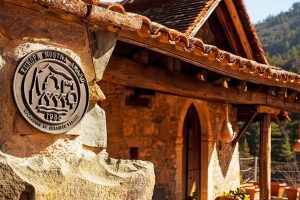
The Fikardou Rural Museum consists of two restored stone houses in the village of Fikardou, located 40 kilometers southwest of Nicosia in the Troodos Mountains. The museum preserves traditional Cypriot rural life through authentic buildings and exhibits from the 16th to 19th centuries. pixabay-com The entire village functions as a living museum, with narrow cobblestone streets and traditional stone houses that transport visitors to another era. The settlement was nearly abandoned during the 20th century when residents moved to urban areas for work and modern amenities. By the 1970s, only a handful of elderly people remained. Historical Background The village name likely derives from the Greek phrase "figa andron," which means "den of fugitives." According to tradition, two dominant clans controlled the region between 400 AD and 800 AD, and fugitives sought refuge in these remote mountains. The earliest written reference to Fikardou dates to 1825 during the Ottoman period. visitcyprus-com Historical connections exist to medieval Cyprus through the Ficardo family. The most notable member was Sir Thomas Ficardo, who served as Chancellor to King James II and Queen Catherine Cornaro in the 15th century. The village belonged to Machairas Monastery during the Byzantine Komnenos dynasty. Inhabitants focused on olive harvesting, grape cultivation, and subsistence farming. The village maintained traditional agricultural practices for centuries. The remote mountain location provided some…

Read more