Explore Cyprus with Our Interactive Map

Explore our top stories and discover ideas worth your time.

Cultural and Heritage Travel Planning

Cultural and Heritage Travel Planning

Cyprus offers exceptional cultural heritage concentrated in a small Mediterranean island. Three UNESCO World Heritage Sites showcase Byzantine art, Roman mosaics, and Neolithic settlements spanning over 9,000 years of continuous habitation. The island sits at the crossroads of Europe, Asia, and Africa, creating a unique blend of Greek, Byzantine, Ottoman, and British influences. Cultural travelers find well-preserved monuments, traditional villages practicing ancient crafts, and living Orthodox traditions. The compact geography allows visiting multiple historical periods and cultural expressions within short distances. This concentration of heritage makes Cyprus particularly efficient for travelers seeking deep cultural immersion without extensive travel between sites. The Three UNESCO World Heritage Sites Paphos became Cyprus's first UNESCO World Heritage Site in 1980. The Paphos Archaeological Park covers most of the ancient Greek and Roman city with exceptional Roman mosaics from the 3rd and 4th centuries. The House of Dionysus, House of Theseus, House of Aion, and House of Orpheus display preserved mosaic floors depicting mythological scenes with remarkable detail and color. The Tombs of the Kings, carved from solid rock in the 4th century BC, features underground chambers where Ptolemaic aristocrats were buried. Entrance fees are 4.50 euros for the Archaeological Park and 2.50 euros for the Tombs of the Kings. wikimedia-org The Painted Churches in the Troodos Region were listed in 1985, with ten Byzantine…

Read more

Traditional Shoemaking and Village Footwear

Traditional Shoemaking and Village Footwear

Traditional Shoemaking (Tsamika & Village Footwear) in Cyprus involves handmade leather footwear designed for agricultural and pastoral life, reflecting craftsmanship shaped by the island's environment. Tsamika, a type of sturdy boot, and other village shoes use local materials like goat hide for durability, with simple stitches and soles suited to rocky terrain. This tradition preserves ancient skills, where functionality meets cultural symbolism, offering a glimpse into how rural Cypriots adapted to their landscape through practical art. korali-homemade-com A Timeless Craft of Leather and Land Traditional shoemaking in Cyprus embodies a practical artistry where leather is shaped into footwear that supports the demands of farming and herding. Tsamika boots, with their high ankles and thick soles, and village shoes like low-cut "podinia" for lighter work, use tanned hides to create items that withstand the island's varied climates - hot summers, wet winters, and rugged paths. This craft, passed through family workshops, blends utility with subtle symbolism, such as stitched patterns for protection or colors echoing nature. It highlights how Cypriot artisans responded to environmental needs, turning animal byproducts into essential tools that defined rural identity and status. The Historical Roots of Cypriot Shoemaking The tradition dates to prehistoric times, with leather scraps from Neolithic sites like Choirokoitia (7000 BC) suggesting early foot coverings for hunting. By the Bronze Age (2500-1050 BC),…

Read more
Almond Tree In Cyprus

Almond Tree In Cyprus

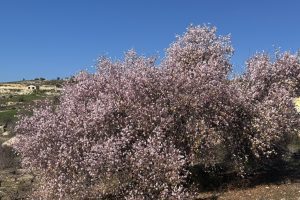
Picture a Cypriot hillside in late February, when most trees are still bare. Suddenly, clouds of delicate pink and white flowers appear as if by magic, painting the landscape in soft pastel tones weeks before any leaves unfold. This early burst of beauty belongs to the almond tree, a cherished symbol of spring and one of the island’s most generous gifts. Konstantin-Solovev A Tree Steeped in Mediterranean Sweetness Prunus amygdalus, the almond tree, belongs to the Rosaceae family – the same group as peaches, cherries and roses. In Cyprus it grows as a graceful deciduous tree, usually 4–10 metres tall, with a rounded crown and slender branches. It thrives in the sunny, well-drained soils of the island’s valleys, hillsides and traditional orchards. Roots in the Dawn of Agriculture Almonds are among the very first fruit trees domesticated by humans, with archaeological evidence from the Early Bronze Age in the Levant and remains found in Tutankhamun’s tomb. The wild ancestor likely grew in the hills of western Asia and the eastern Mediterranean. In Cyprus, cultivation dates back thousands of years; the tree appears in ancient texts and has been part of village life for generations. Early naturalists such as Unger and Kotschy noted almond orchards during their 1862 explorations, while modern forest and agricultural records show how the almond has been…

Read more