Explore Cyprus with Our Interactive Map

Explore our top stories and discover ideas worth your time.

Amathus Roman Remains Cyprus Coastal City Life

Amathus Roman Remains Cyprus Coastal City Life

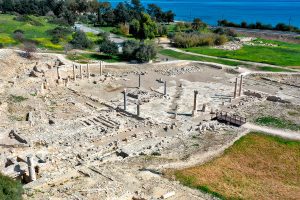
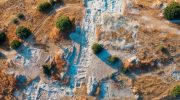
The ruins of Amathus spread across a coastal hillside 11 kilometers east of Limassol, where stone walls and column fragments mark one of Cyprus' oldest city kingdoms. Archaeological evidence shows continuous occupation from 1100 BCE until the 7th century CE, a span of nearly 2,000 years. During the Roman period, Amathus became the capital of one of four administrative regions on Cyprus. The city's importance grew so significant that Romans used the term Amathusia as a general synonym for Cypriot. allaboutlimassol.com Today, visitors walk through the remains of public baths built during Emperor Hadrian's time, explore an agora where merchants traded goods from across the Mediterranean, and view foundations of the great Temple of Aphrodite that made this the second most important worship site for the goddess on her homeland island. Below the waves, 60 meters from shore, lie the stone moles of a Hellenistic harbor built during conflicts between Alexander the Great's successors. This combination of land and underwater remains provides a complete picture of ancient coastal city life. dailysabah.com Historical Background The Roman bath complex at Amathus sits adjacent to what was once the central agora or marketplace. Constructed in the 2nd century CE during a period of public improvements commissioned by Emperor Hadrian, the baths demonstrate typical Roman bath design adapted to the Cyprus climate. The structure…

Read more
Cyprus Lifestyle & Leisure

Cyprus Lifestyle & Leisure

Cyprus offers more than 300 days of sunshine per year and a coastline awarded numerous Blue Flag distinctions, making outdoor activities and water sports a highlight of island life. With its warm Mediterranean climate, there are very few days lost to bad weather. Shutterstock-com The island's geography and climate support diverse recreational pursuits from paragliding and climbing to sailing and scuba diving, and even skiing on the snowcapped Troodos Mountains for a few weeks each year. Whether you prefer active sports, cultural activities, or relaxed social clubs, Cyprus provides countless ways to enjoy leisure time throughout the year. Water Sports Along the Coastline Swimming represents the most accessible water activity. Public pools are available in major towns like Nicosia, Larnaca, and Limassol, featuring both Olympic-sized facilities and family pools with flexible entry options including day passes or seasonal memberships. Many locals prefer sea swimming, which is usually safe and possible year-round, particularly in the more sheltered southern beaches. Recognized swimming zones ensure safety for swimmers of all abilities. Shutterstock-com Scuba diving in Cyprus is world-class. The Zenobia wreck off the coast of Larnaca is a bucket-list dive site regularly featured in global rankings among the top ten wreck dives worldwide. The 172-meter Swedish roll-on roll-off ferry sank on her maiden voyage in 1980 and now rests at depths ranging from…

Read more

Erimi-Pamboula Cyprus

Erimi-Pamboula Cyprus

Erimi-Pamboula sits quietly in southern Cyprus, yet this ancient settlement tells one of the island's most important stories. From 3500 to 2900 BC, this village thrived along the Kouris River, giving its name to an entire culture that shaped Cyprus for over a thousand years. -reddit-com Erimi-Pamboula represents the heart of what scholars call the Chalcolithic period in Cyprus, a time when people first combined stone tools with early metalwork. The settlement stretched across 15 hectares on a low plateau just three miles from the coast, where the Kouris River provided fresh water and access to valuable resources. The village was large enough and influential enough that the entire cultural period became known as the "Erimi culture," a name still used today. The site rests within what is now the modern village of Erimi, located in the Kouris River valley. This valley has attracted people for thousands of years because of its natural advantages. Historical Background The modern story of Erimi-Pamboula begins in 1933. Cypriot archaeologist Porphyrios Dikaios arrived at the site and spent three years excavating what would become one of the most important prehistoric settlements in Cyprus. Though Dikaios only uncovered about 150 square meters, he found layers of occupation stretching 5.5 meters deep, revealing centuries of continuous human activity. nicosia-castle-auctions-com His work laid the foundation for understanding…

Read more