Ayios Herakleidios Mosaics
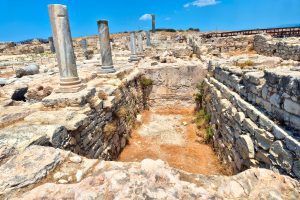
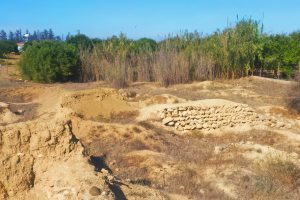
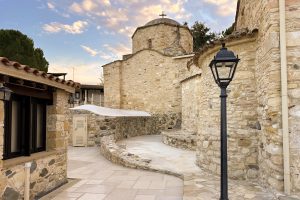
The mosaics at Ayios Herakleidios, in the inland territory of Tamassos, show an early Christian community expressing belief through geometry rather than mythic scenes or imperial display. Laid across successive basilica phases, the floors use repetition, careful placement, and durable materials to create a sense of order during periods of instability. This article explains how the site developed around the saint’s tomb, what the patterns and Chi-Rho symbol were designed to do, and how the mosaics survive alongside a living monastery today. googlemaps.com An Inland Sanctuary at Tamassos Unlike Cyprus's major early Christian monuments along the coast, the Ayios Herakleidios complex developed inland, near copper-rich Tamassos, a former city-kingdom once dedicated to pagan gods. The location is essential to understanding the mosaics. This was not an imperial centre drawing wealth and artisans from across the Mediterranean. It was a rural heartland where Christianity spread through local networks, pilgrimage, and the authority of a revered saint. The basilicas rose beside the tomb of Saint Herakleidios, transforming an ordinary burial site into a spiritual anchor for the region. From the beginning, the focus here was not grandeur, but presence. Instagram-com A Tomb That Became a Centre The architectural history of the site unfolds in stages. The earliest Christian structure, a small 4th-century martyrion, was built directly over a Roman tomb believed to…
Read more