Explore Cyprus with Our Interactive Map

Explore our top stories and discover ideas worth your time.

Cyprus Mining Museum Skouriotissa

Cyprus Mining Museum Skouriotissa

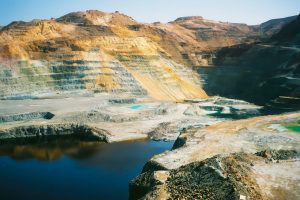
The Museum of Mining Heritage in Katydata village tells the story of Cyprus through its most defining resource: copper. Located near the Skouriotissa copper mine, the oldest continuously operated copper mine in the world, this small museum preserves the island's 4,000-year relationship with the metal that gave Cyprus its name. сvisitsolea-com The museum sits in the centre of Katydata village, next to the Community Council office. The village lies approximately 13 kilometres from Astromeritis, positioned in the Solea Valley where Cyprus's richest copper deposits concentrate. The Community Council and Emigrants Association of Katydata created the museum to document the mining heritage that shaped their region and connected Cyprus to ancient Mediterranean civilizations. Inside the Mining Caverns The first hall recreates the underground experience of working in Cyprus's copper mines. Designers modeled the space after the caverns of the Fukassa Mines, one of several ancient mining sites in the area. Large wooden beams support the low ceiling, mimicking the structural supports that prevented cave-ins in actual mine tunnels. The walls bear colours matching the minerals found in nearby deposits, giving visitors a sense of the geological environment miners worked within. visitsolea-com This immersive approach helps people understand the physical conditions of mining work. The damp caverns, low ceilings, and confined spaces tell a story beyond what artifacts alone could convey. Tools…

Read more
Cyprus Sundays: The Weekly Family Reset

Cyprus Sundays: The Weekly Family Reset

In Cyprus, the Sunday family gathering is a weekly social infrastructure, bringing extended relatives together for long meals that renew trust, care, and hierarchy without formal rules. Rooted in older agrarian and Orthodox rhythms, it persists in modern towns and cities because it offers a reliable reset: shared food, flexible time, and conversation that keeps the family network active. This article explains how the ritual works from souvla preparation to coffee and tavli, and why its slow pace remains one of Cyprus’s most durable forms of belonging. quinta-ru A Ritual Designed for Presence The Sunday family gathering is not organised for efficiency or convenience. It exists to preserve connection. In a country shaped by migration, political division, and economic change, the extended family has remained the most reliable structure of support. Sundays provide the rhythm that keeps that structure intact. This is why the gathering is rarely rushed. Arrival times are flexible. Meals stretch. Conversations overlap. The goal is not completion but presence. What matters is that everyone shows up, not that they follow a schedule. The Values Behind the Table Three ideas quietly govern the Sunday gathering. Philoxenia, often translated as hospitality, is better understood as openness. It explains why extra chairs appear without discussion and why guests are treated like relatives. The table is not guarded. It expands.…

Read more
Cyprus Traditional Stone Villages

Cyprus Traditional Stone Villages

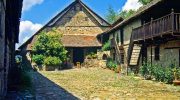
While modern cities rise along Cyprus's coasts, hidden in the island's hills and mountains are stone villages that have barely changed in centuries. These aren't open-air museums or tourist recreations—they're living communities where narrow cobblestone streets still wind past churches older than nations, where women still make lace using techniques passed down through generations, and where the rhythm of life follows patterns shaped by water, terrain, and survival. To visit these villages is to step into a Cyprus that exists outside of time, where the past and present speak to each other in stone, wine, and thread. Where Old Cyprus Still Lives Traditional Cypriot villages are the island's cultural heartbeat, preserving customs, crafts, dialects, and ways of life that have largely disappeared from urban centers. These settlements grew organically over centuries, shaped by geography, climate, and the practical needs of survival rather than by modern planning or tourism. Most sit inland—tucked into hillsides, nestled in mountain valleys, or perched on slopes—rather than along the vulnerable coastline where pirates and invaders once threatened. commons-wikimedia-org These villages aren't relics frozen in amber but living communities that have adapted while maintaining their essential character. Stone houses still cluster around churches and monasteries, narrow streets still provide shade and defense against summer heat, and communal spaces still bring neighbors together. While many younger Cypriots…

Read more