Explore Cyprus with Our Interactive Map

Explore our top stories and discover ideas worth your time.

Cyprus Urban Transport Systems

Cyprus Urban Transport Systems

Cyprus cities have started taking serious steps to fix their transport problems. The island nation ranks fifth globally in car ownership per capita, with over 658 automobiles per 1,000 people. This heavy reliance on private vehicles has created congestion and parking nightmares in urban centers. The government and municipalities are now working to create better parking systems and promote alternative transport options. in-cyprus-philenews-com How Parking Works in Major Cyprus Cities Nicosia charges the highest parking rates among Cyprus cities, with fees varying by location and hourly rates ranging from €0.50 to €2. The capital's central areas fill up quickly on weekdays, and many streets operate as one-way systems. Multi-level facilities like Eleftheria Square Parking offer over 500 spaces within walking distance of major attractions. maps-app-googl-Elena Limassol charges the same fees across all municipal parking lots, with monthly passes costing €42 and annual passes €432. Weekend parking becomes free in some zones, which attracts more vehicles. The Limassol Marina Parking provides a convenient option for visitors to the waterfront areas. cdomcar-com-cy Larnaca offers the most affordable municipal parking rates except for the Finikoudes promenade, with up to one hour of free parking on municipal lots. After the first hour, standard rates apply. The Mackenzie area charges €2.50 for 12 hours of parking. ccommons-wikimedia-org Paphos stands out with free parking near Limanaki…

Read more
Nicosia Central Prison

Nicosia Central Prison

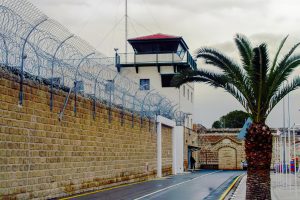
Nicosia Central Prison stands as a poignant symbol of Cyprus's colonial past and the island's struggle for independence, evolving from a British-built facility for maintaining order to a site of resistance and remembrance. Constructed in the late 19th century under British rule, this prison in the heart of Nicosia served as the primary detention center for criminals, dissidents, and political prisoners, reflecting the empire's efforts to control a strategically vital Mediterranean outpost. coe-int Later, during the mid-20th century Cyprus Emergency, it became synonymous with the anti-colonial fight led by EOKA fighters, who faced imprisonment, torture, and execution within its walls. As the only operational prison in the Republic of Cyprus today, parts of it have been preserved as a museum honoring those who resisted British authority, highlighting themes of repression, resilience, and national identity. This institution underscores Cyprus's complex history, where colonial architecture and punitive systems intersected with the rise of nationalism, shaping the island's path to sovereignty and continuing to evoke reflections on justice and memory in a divided nation. A Key Colonial Institution Nicosia Central Prison, nestled in the capital's urban fabric, emerged as a cornerstone of British colonial governance, designed to enforce law and order while suppressing dissent in a territory acquired from the Ottoman Empire in 1878. Spanning several hectares with fortified walls and watchtowers, the…

Read more

Cyprus Honey

Cyprus Honey

Honey in Cyprus is not simply a food product. It reflects landscape, climate, and survival shaped over centuries. Produced mainly in mountain and rural areas, Cypriot honey carries the character of wild thyme, pine forests, citrus groves, and seasonal movement across the island. Long before sugar became common, honey served as the primary sweetener, a form of medicine, and a symbol of hospitality. Its role has never disappeared. Instead, it has evolved alongside changing lifestyles and technologies. thegreekvibe-com An Island That Shapes Its Honey Cyprus’s geography plays a decisive role in how honey is produced. Two mountain ranges, varied elevations, and sharply contrasting microclimates allow flowering to unfold in stages rather than all at once. Coastal plains warm early in the year, while foothills and high mountain slopes bloom later, extending the foraging season for bees. This vertical landscape makes beekeeping in Cyprus inherently mobile. Apiaries are often moved throughout the year, following blossoms from lowland citrus groves to the thyme-covered slopes of the Troodos Mountains. Honey here is shaped as much by movement as by place, with each harvest reflecting a specific altitude, season, and environment. The Native Bee and Local Resilience At the heart of Cypriot honey production is a native honeybee adapted to the island's demanding conditions. This bee has developed endurance in heat, wind, and drought…

Read more