Explore Cyprus with Our Interactive Map

Explore our top stories and discover ideas worth your time.

Why Rural Areas in Cyprus Rely on Private Vehicles

Why Rural Areas in Cyprus Rely on Private Vehicles

Rural buses connect most villages to their nearest town, but service frequency remains minimal. Routes typically operate one to three times daily, with some villages receiving just two departures on weekdays and no service on Sundays. This sparse schedule forces residents to plan their entire day around fixed bus times. dom-com-cy The Troodos mountain region demonstrates these limitations clearly. Route 64 from Limassol to Troodos Square departs once daily in the morning and returns in the late afternoon. This single round trip provides enough time for a tourist visit but cannot support regular commuting or flexible daily activities for residents. Villages between major cities often receive even less attention. Small communities along the Nicosia to Limassol corridor might see buses pass through, but dedicated rural routes serving these areas run infrequently. Residents needing to reach hospitals, government offices, or shopping centers in larger towns must own vehicles or rely on expensive taxis. Mountain villages present additional challenges. Winter weather can disrupt schedules, and narrow winding roads mean longer journey times. A trip that takes 30 minutes by car might require over an hour by bus due to multiple stops and indirect routing through several villages. How Distance Between Services Creates Dependency Cyprus recorded 647 passenger vehicles per 1,000 residents in 2023, ranking fourth highest in the European Union. This figure…

Read more
Jewish Quarter of Famagusta

Jewish Quarter of Famagusta

The Jewish Quarter of Famagusta stood as one of the most significant Jewish settlements in the eastern Mediterranean during the medieval period. Famagusta was one of the most cosmopolitan cities of its era, with distinct quarters for different communities including Greeks, Syrians, and Jews. northcyprusinvest-net The Jewish quarter was called zuecha or zudecha in Venetian documents, with its location clearly marked on a 1571 map of the city. Medieval Famagusta contained more Jews than any other Greek island according to the 12th century traveler Benjamin of Tudela, who documented three distinct Jewish sects living on Cyprus. The community prospered as money lenders, merchants, and traders who connected Europe with the Eastern Mediterranean. By the 16th century, approximately 2,000 Jews lived in Famagusta, making it one of the largest Jewish populations in the region. The quarter contained synagogues, schools, and the full infrastructure of a thriving Jewish community. From Ancient Roots to Medieval Flowering Jewish presence in Cyprus dates back possibly to the 3rd century BC during the Roman conquest of the island. Ancient synagogues existed in at least three locations on Cyprus including Golgoi, Lapethos, and Constantia-Salamine, with an inscribed column from the 4th century recording the 3rd century renovation of a synagogue. Cypriot Jews participated in the diaspora-wide Kitos War revolt against Rome in 117 CE, resulting in severe…

Read more

Cypriot Byzantine Chant

Cypriot Byzantine Chant

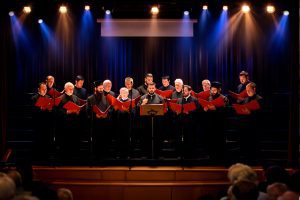
Byzantine Chant in Cypriot Style is a localized variant of Orthodox liturgical music, characterized by unique melodic phrasing and vocal delivery that distinguish it from mainland traditions. Preserved in monasteries and village churches across the island, it incorporates ancient modes with Cypriot inflections, blending spiritual depth with cultural expression. This form of chant reflects Cyprus's role as a guardian of Byzantine heritage, evoking how sacred sound has shaped devotion for centuries. A Distinct Voice in Orthodox Liturgy Byzantine chant in Cypriot style represents a regional adaptation of the Eastern Orthodox musical tradition, where melodies and rhythms carry theological meaning through voice alone. Developed over centuries in Cyprus's isolated monasteries and rural churches, it features elongated notes, subtle ornamentation, and a nasal timbre that evoke emotion and reverence. This style not only accompanies services but also serves as a cultural anchor, preserving ancient hymnody while incorporating local dialects and rhythms. Its survival highlights Cyprus's position as a crossroads of influences, where Byzantine purity met Mediterranean flavors, creating a chant that feels both timeless and intimately island-bound. Historical Origins and Evolution The roots of Cypriot Byzantine chant trace to the early Christian era, when the island adopted liturgical music from Constantinople around the 4th century AD. Apostles Barnabas and Paul introduced Christianity in the 1st century, as recorded in the Acts of…

Read more