Explore Cyprus with Our Interactive Map

Explore our top stories and discover ideas worth your time.

Bay Laurel of Cyprus

Bay Laurel of Cyprus

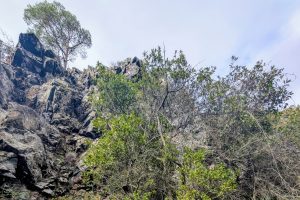
Imagine brushing past a glossy-leaved tree beside a sparkling Cypriot stream – the air instantly fills with a warm, spicy, almost resinous perfume that lingers on your fingers for hours. This is the bay laurel, standing quietly yet majestically among the island’s wild places, its leaves whispering stories of gods, victors and everyday Cypriot kitchens. www.inaturalist.org A Fragrant Evergreen of the Laurel Family Laurus nobilis, the true bay laurel or sweet bay, belongs to the Lauraceae family – a small but aromatic group that also includes cinnamon and camphor. In Cyprus it grows as an evergreen tree or large shrub, often reaching 8–15 metres in sheltered spots, though it stays more shrub-like when exposed to wind or grazing. From Apollo’s Wreath to Cypriot Streams The bay laurel has been part of Mediterranean life since antiquity. In Cyprus it was already well known when Unger and Kotschy explored the island in 1862 – they recorded it as frequent around Limassol and noted its presence among myrtle, olive and other maquis trees. Even earlier, the great physician Dioscorides (1st century AD) described its leaves and berries in detail, recommending them for digestion, inflammation and as a warming oil. In Greek mythology the tree is sacred to Apollo: when the nymph Daphne fled his advances she was transformed into a laurel, which the…

Read more

Filoxenia Cyprus Hospitality Tradition

Filoxenia Cyprus Hospitality Tradition

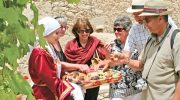
Cypriot culture places strong emphasis on hospitality, family, community and tradition. Filoxenia, meaning friendliness to strangers, respect for elders, and Orthodox Christian values are at the heart of everyday life. The Greek word philoxenia literally means friendship or love for strangers, representing more than simple politeness but rather a sacred tradition that has been around for thousands of years. home-cy This tradition goes way back to ancient Greece and the cult of pagan gods, with Zeus as the protector of travelers. Even now, especially in small mountain villages, you can still experience genuine hospitality that welcomes guests as honored members of the community rather than outsiders. The Myth Behind the Custom The tradition traces its roots to a legend about Zeus and Hermes who pretended to be poor travelers. They kept knocking on doors until an elderly couple opened their door. In return for some food and a roof over their heads, Zeus turned their shabby house into a fancy mansion. Since then, the ancient Greeks believed that any traveler or unexpected guest could be Zeus and should be given the best welcome. The ancient philosophers and poets valued philoxenia highly, as seen in Ovid's poem Metamorphoses and other classical texts. Hospitality was considered a moral obligation and spiritual duty rather than optional courtesy. Turning away travelers could bring divine…

Read more
Hidden Waterfalls & Springs in Cyprus Mountain Valleys

Hidden Waterfalls & Springs in Cyprus Mountain Valleys

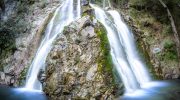
Cyprus contains a surprising network of waterfalls and natural springs hidden within the Troodos mountain range. These water features flow year-round despite the island's reputation as a dry Mediterranean destination. The mountains capture rainfall that would otherwise evaporate in coastal plains, creating conditions where water persists through even the hottest summers. dom-com-cy Most waterfalls cluster between 650 and 1,600 meters elevation where annual precipitation reaches 1,000 millimeters compared to 300 millimeters at sea level. The Troodos region produces 80 percent of Cyprus's surface water, feeding rivers that supply reservoirs and aquifers across the island. These waterfalls and springs formed over millions of years as mountain streams carved through volcanic diabase and limestone rock, creating spectacular cascades surrounded by dense pine forests, golden oak trees, and endemic plant species found nowhere else on earth. Ancient Water Sources That Shaped Civilization Cyprus earned the name "green island" in ancient times because its forests extended from mountain peaks to coastlines, sustained by abundant surface and spring water. Archaeological evidence shows Neolithic settlers around 7000 BCE chose locations based entirely on water availability. Ancient Kourion featured sophisticated water systems with terracotta pipes fed by perennial springs near Sotira. Salamis constructed a 40-kilometer aqueduct connecting the city to water sources in the Kyrenia hills, demonstrating the engineering lengths civilizations pursued to secure reliable water. The…

Read more