Explore Cyprus with Our Interactive Map

Explore our top stories and discover ideas worth your time.

Ancient Idalion Dali

Ancient Idalion Dali

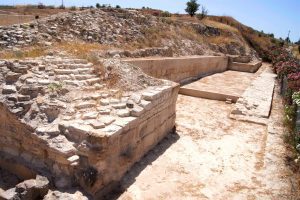
Idalion was an ancient city in Cyprus, in modern Dali, Nicosia District. The city was founded on the copper trade in the 3rd millennium BC. Located in the fertile Gialias valley between two hills, this powerful kingdom left behind one of the most important historical documents in ancient Cyprus, a bronze tablet that recorded a social welfare system 2,500 years old. wikimedia.org1 The ancient city was located in the fertile Gialias valley and flourished there as an economic centre due to its location close to the mines in the eastern foothills of the Troodos Mountains and its proximity to the cities and ports on the south and east coast.Idalion prospered and became so wealthy that it was listed as the first among the ten Cypriot kingdoms on the prism of the Assyrian king Esarhaddon (680-669 BC). This ranking shows how important the city was in the ancient Mediterranean trade network. Historical Background The ancient city was founded by the Achaean hero of the Trojan war, Chalcanor, descendant of Teucer, the founder of Salamis. This foundation legend connects Idalion to the wave of Greek colonization that followed the Bronze Age collapse around 1200 BC. The worship of Apollo Amyclae reveals that the Greeks came from Laconia. This detail shows that the settlers originated from the Peloponnese in southern Greece, bringing their…

Read more
Cyprus Identity Shaped by Resilience and Survival

Cyprus Identity Shaped by Resilience and Survival

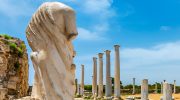
Cyprus stands at the crossroads of three continents, creating an identity forged through centuries of conquest and adaptation. The Mediterranean island has witnessed rule by Egyptians, Phoenicians, Greeks, Romans, Byzantines, Ottomans, and British forces. Each civilization left cultural marks while the native population absorbed and transformed these influences. Today, Cyprus maintains distinct traditions despite modern pressures. CyprusMail The island's geographic position made it strategically valuable, attracting empires seeking control of eastern Mediterranean trade routes. This constant cycle of foreign rule created a population skilled at cultural preservation under external pressure. Cypriots developed resilience as a survival mechanism, maintaining core traditions while adapting to successive rulers. The ability to endure without surrendering identity became central to the Cypriot character. Ancient Foundations Built Over Millennia Archaeological evidence shows continuous human habitation since the 10th millennium BC. Mycenaean Greeks arrived around the 12th century BCE, establishing city kingdoms like Salamis, Paphos, and Kition. These settlements created foundations for Greek cultural dominance that persisted despite subsequent invasions. The Greek language, Orthodox Christianity, and Hellenic customs became embedded in the population's identity. wikimedia The Byzantine Empire incorporated Cyprus in the 4th century AD, strengthening Christian Orthodox traditions through church construction and monastery establishment. Byzantine artistic developments, including icon painting and mosaic work, created lasting cultural expressions still visible across the island. The Orthodox Church emerged…

Read more

Blossoms Amid the Baked Earth

Blossoms Amid the Baked Earth

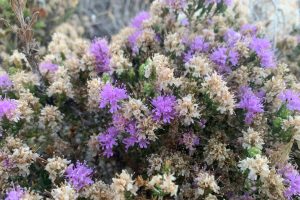
Picture yourself hiking a dusty trail in Cyprus's sun-parched hills during the height of summer, where most vegetation has surrendered to the relentless heat. Yet amid the faded grasses, a resilient herb unfurls its tiny purple flowers, releasing a warm, peppery fragrance that speaks of timeless remedies and savory island feasts. This is thyme, a modest wild treasure that defies the drought, inviting us to explore its quiet role in Cypriot nature and culture. www.inaturalist.org A Quiet Herb with Fragrant Cousins Thyme is a small, tough plant from the mint family, a big group of herbs known for their square stems and strong smells. It's the kind of everyday green that pops up in dry, sunny spots, offering a bit of flavor and freshness to anyone who finds it growing wild. Whispers from Long Ago Thyme's documented presence on Cyprus reaches back to the island's earliest people around 10,000 years ago, who picked it from the hills for simple meals and soothing teas. Across the sea, Egyptians used it in their rituals for the dead, Greeks burned it for bravery before battles, and Romans sprinkled it to freshen their homes – a little herb that traveled with wanderers, becoming a quiet friend in Mediterranean life as empires rose and fell. In Cyprus, ancient healers like those mentioned in old texts…

Read more