Explore Cyprus with Our Interactive Map

Explore our top stories and discover ideas worth your time.

Cyprus Wild Mammal

Cyprus Wild Mammal

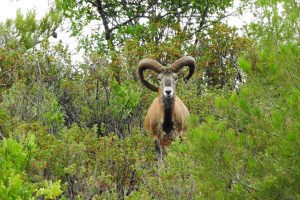
Imagine a rugged hillside in Cyprus, where ancient cedars cling to rocky slopes and the air hums with the distant call of a hidden survivor. This is the realm of the Cyprus mouflon, a wild sheep that has roamed the island's mountains for millennia, embodying the untamed spirit of Mediterranean wilderness. Let’s explore this elusive creature, a living link to Cyprus' prehistoric past that still graces its landscapes today. Sadly, this endemic mammal is listed as Endangered in IUCN Red List. www.inaturalist.org A Gentle Giant of the Hills The Cyprus mouflon, known scientifically as Ovis gmelini ophion, is a subspecies of wild sheep belonging to the broader family of Bovidae, which includes goats, antelopes, and cattle. These animals are ungulates – hoofed herbivores adapted to rugged terrains across Europe, Asia, and Africa and all modern sheep breeds are it’s descendants. Zooming into zoological details, the Cyprus mouflon belongs to the Caprinae subfamily, sharing traits with ibex and wild goats but distinguished by its non-shedding wool and seasonal breeding cycles. Genetic studies reveal close ties to Anatolian and Iranian mouflons, with mitochondrial DNA suggesting a basal lineage from early domestication escapes. In Cyprus, the mouflon stands out as an endemic treasure, perfectly tuned to the island's dry, mountainous environments, where it grazes and navigates steep cliffs with effortless grace. Echoes of…

Read more

Cyprus Traditional Stone Villages

Cyprus Traditional Stone Villages

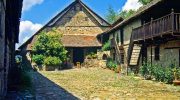
While modern cities rise along Cyprus's coasts, hidden in the island's hills and mountains are stone villages that have barely changed in centuries. These aren't open-air museums or tourist recreations—they're living communities where narrow cobblestone streets still wind past churches older than nations, where women still make lace using techniques passed down through generations, and where the rhythm of life follows patterns shaped by water, terrain, and survival. To visit these villages is to step into a Cyprus that exists outside of time, where the past and present speak to each other in stone, wine, and thread. Where Old Cyprus Still Lives Traditional Cypriot villages are the island's cultural heartbeat, preserving customs, crafts, dialects, and ways of life that have largely disappeared from urban centers. These settlements grew organically over centuries, shaped by geography, climate, and the practical needs of survival rather than by modern planning or tourism. Most sit inland—tucked into hillsides, nestled in mountain valleys, or perched on slopes—rather than along the vulnerable coastline where pirates and invaders once threatened. commons-wikimedia-org These villages aren't relics frozen in amber but living communities that have adapted while maintaining their essential character. Stone houses still cluster around churches and monasteries, narrow streets still provide shade and defense against summer heat, and communal spaces still bring neighbors together. While many younger Cypriots…

Read more
Ayia Napa Lover’s Bridge

Ayia Napa Lover’s Bridge

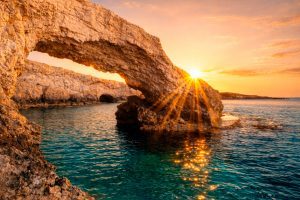
The Lover's Bridge stands as one of Cyprus's most photographed natural landmarks. This limestone arch extends from the coastal cliffs near Ayia Napa, reaching toward the Mediterranean Sea with one end firmly anchored to land while the other dips into crystal-clear turquoise water. tripadvisor-com The bridge measures approximately 6 meters long and half a meter wide, formed entirely through natural processes without any human construction. Visitors from around the world come to walk across this slender natural formation, particularly during sunset hours when golden light transforms the white limestone and azure water into a scene of remarkable beauty. The bridge takes its name from romantic traditions that have developed around the site. Local legend claims that couples who kiss while standing in the middle of the arch and make a wish together will see their wishes come true. This belief has made the location a popular destination for marriage proposals, wedding photographs, and symbolic ceremonies celebrating love and commitment. How Wave Action Sculpted the Arch The Lover's Bridge formed through a combination of mechanical and chemical erosion acting on limestone bedrock. Rainwater absorbs carbon dioxide from the atmosphere and soil, creating a weak carbonic acid solution. When this slightly acidic water contacts limestone, it triggers chemical reactions that gradually dissolve the calcium carbonate rock. Seawater contains additional dissolved salts and…

Read more