Explore Cyprus with Our Interactive Map

Explore our top stories and discover ideas worth your time.

Eco-Tourism in Cyprus Protected Areas

Eco-Tourism in Cyprus Protected Areas

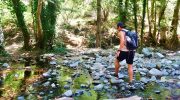
Eco-tourism in Cyprus has emerged as a significant alternative to traditional beach-centered tourism, with the Akamas Peninsula and Troodos National Forest Park serving as the island's two premier protected natural areas. These regions represent Cyprus's commitment to balancing environmental conservation with responsible tourism development. Together, they encompass diverse ecosystems ranging from coastal landscapes to mountain forests, each offering visitors opportunities to experience the island's biodiversity while supporting preservation efforts. musement Cyprus ranks among the top five European Union countries in terms of land area covered by the Natura 2000 network, with 28.8% of the island designated as protected territory. This extensive network includes 63 marine and terrestrial sites covering approximately 1,789 square kilometers. The Akamas Peninsula and Troodos National Forest Park stand as the largest and most visited of these protected areas, attracting both international travelers and local residents seeking natural experiences. Development of Protected Area Tourism in Cyprus The concept of protected areas in Cyprus developed gradually through the 20th century. Until 2000, the Akamas Peninsula remained under British military use as an exercise and firing range. Following the Treaty of Establishment, which allowed British forces use of the area for up to 70 days annually, the peninsula's ecological value became increasingly recognized. Environmental organizations, including the Green Party of Cyprus, Greenpeace, and Friends of the Earth, began advocating…

Read more
Dragons, Deep Caves, and Serpent Myths

Dragons, Deep Caves, and Serpent Myths

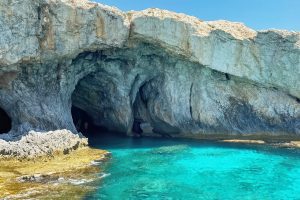
Cyprus possesses a landscape rich with caves, springs, and natural formations that have inspired supernatural stories for thousands of years. The island's geological features, from coastal grottos to mountain springs, became the settings for tales of dragons, serpents, and mysterious creatures that guarded treasures or threatened unwary travelers. pixabay-com These legends blend ancient mythology with local folklore, creating a unique tradition of supernatural stories connected to specific natural sites. The caves and springs of Cyprus served practical purposes as water sources and shelter, but they also held deeper meaning as places where the boundary between the ordinary world and the realm of myth became thin and permeable. Historical Context Serpent and dragon myths in Cyprus trace back to multiple cultural influences. The island's position at the crossroads of civilizations meant that Greek, Phoenician, Roman, and Byzantine traditions all contributed to local folklore. Ancient Greeks associated serpents with various deities and natural forces. The Agathodaemon, a benevolent spirit depicted as a serpent, was believed to protect homes and ensure prosperity for families. This protective serpent appears in Cypriot traditions as a guardian rather than a threat. The connection between serpents and water sources has ancient origins. Many Mediterranean cultures viewed springs and wells as sacred places where supernatural beings dwelled. In Cyprus, springs emerging from limestone rocks created mysterious cave systems…

Read more
Tips of settling in Cyprus

Tips of settling in Cyprus

Moving to a new country brings excitement mixed with practical challenges. Cyprus welcomes thousands of newcomers annually, from retirees seeking Mediterranean sunshine to professionals building international careers. The island nation offers a comfortable climate with over 320 sunny days yearly, affordable living costs compared to Western Europe, and a welcoming expat community. finance-rambler-ru English speakers find integration particularly smooth, as the language remains widely spoken due to Cyprus's British colonial history lasting until 1960. Understanding the essential steps before arrival transforms what could be an overwhelming process into a manageable transition. This guide covers the practical elements of settling in Cyprus successfully. Finding Housing That Fits Your Budget Housing costs vary dramatically by location and proximity to coastlines. Limassol and Nicosia command the highest rents, with one-bedroom city center apartments ranging from €700 to €1,500 monthly. Paphos and Larnaca offer more affordable options at €400-700 for similar accommodations. Mountain villages and inland areas provide the lowest costs, with properties sometimes available under €400 monthly. prian-ru Purchase prices follow similar patterns. Coastal properties in tourist zones cost €3,000-5,000 per square meter, while inland locations range from €1,300-2,500. Property buyers must account for additional expenses including VAT (5-19% depending on property type and value), stamp duty (0.15-0.2%), and transaction fees (1%). Non-EU buyers require Council of Ministers approval, though this rarely causes…

Read more