Explore Cyprus with Our Interactive Map

Explore our top stories and discover ideas worth your time.

Temple of Astarte-Aphrodite at Tamassos

Temple of Astarte-Aphrodite at Tamassos

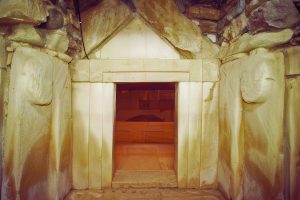
The Temple of Astarte-Aphrodite at Tamassos was a sacred site where different religious traditions met and blended. It reflects the merging of the Phoenician goddess Astarte with the Cypriot form of Aphrodite, showing how Cyprus functioned as a crossroads of belief in the ancient Mediterranean. The sanctuary reveals how cultures interacted not only through trade and politics, but also through shared and evolving religious ideas. A Sanctuary in the Heart of Cyprus Tamassos lay inland, near rich copper resources and important trade routes. Though far from the coast, it was deeply connected to the wider Mediterranean world. The presence of a sanctuary dedicated to Astarte-Aphrodite reflects these connections and the movement of people, goods, and beliefs across the island. facebook-com The temple served the local population while also reflecting foreign influence, making it a powerful symbol of Cyprus’s layered cultural identity. Two Goddesses, One Sacred Presence Astarte was a major Phoenician goddess associated with fertility, love, war, and royal power. Aphrodite, though later known as the Greek goddess of love, had deep roots in earlier Cypriot and Near Eastern traditions. At Tamassos, these two divine figures were not seen as separate, but as different expressions of the same sacred force. britannica-com This blending, known as religious syncretism, allowed worshippers from different backgrounds to recognise their own beliefs within a shared…

Read more

Larnaca Synagogue Cyprus

Larnaca Synagogue Cyprus

The Larnaca Synagogue represents the revival of Jewish religious life in Cyprus after centuries of minimal presence. Also known as the Great Synagogue of Cyprus or Cyprus Central Synagogue, the building was completed in 2005 and inaugurated on September 12, 2003. commons.wikimedia-org Located at Apollodorou 4 in Larnaca, this Orthodox Jewish congregation serves as the spiritual center for approximately 3,500 Jews currently living in Cyprus. The synagogue's establishment marked a historic moment, as Cyprus had been the only European Union nation without an active synagogue. The site serves multiple purposes beyond worship, housing a Jewish community center with educational facilities, kosher restaurants, and plans for a museum documenting Jewish history on the island. Historical Background The Jewish connection to Cyprus dates to the 3rd century BC during the Roman conquest of the island. Archaeological evidence indicates at least three ancient synagogues existed in Lapethos, Golgoi, and Constantia-Salamis. An inscribed column from the 4th century, now in the Cyprus Museum in Nicosia, records the renovation of a synagogue in the 3rd century, proving Jews had returned to the island after earlier expulsions. google-com In 117 AD, Jews on Cyprus participated in the Kitos War, a massive revolt against Roman Emperor Trajan that spread across the eastern Mediterranean. Led by a Jewish commander named Artemion, the uprising on Cyprus resulted in the…

Read more
Ottoman Sebils Public Water Fountains

Ottoman Sebils Public Water Fountains

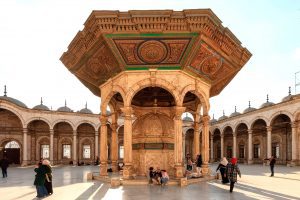
When the Ottoman Empire took control of Cyprus in 1571, the island experienced major changes in its architecture and daily life. Among the most practical contributions the Ottomans brought were sebils, public water fountains that became essential features of Cypriot cities. These structures served both religious and civic purposes, providing free drinking water to travelers and locals while allowing Muslims to perform ritual ablutions before prayer. photohound.co The word sabil comes from the Arabic root meaning to make available or to provide a way. In Islamic tradition, building a sabil was considered an act of charity, a way to earn religious merit by serving the community. The Ottoman authorities valued these fountains so highly that they granted tax exemptions to anyone who built a public sabil, provided they kept water available for travelers at all times. Historical Background wikimedia.org Ottoman sebils were not just simple fountains. They were carefully designed structures that combined function with beauty. The typical sabil featured a small kiosk where an attendant stood behind a grilled window, handing out cups of water to passersby. Some sebils were standalone buildings at busy street corners, while others were attached to mosques or caravanserais. The architectural style of Sebils varied across the empire. In Istanbul, elaborate sebils appeared during the Tulip Period in the early 18th century, decorated with…

Read more