Explore Cyprus with Our Interactive Map

Explore our top stories and discover ideas worth your time.

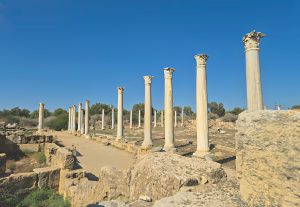
Salamis Bathhouse Mosaics

Salamis Bathhouse Mosaics

The Salamis bathhouse mosaics show how Roman Cyprus combined leisure, engineering, and civic identity inside one of the island’s most ambitious public complexes. These floors were designed to shape movement and atmosphere, pairing mythic scenes with technical skill, imported materials, and heated rooms that made bathing a daily performance of status. This article explains how the mosaics worked within the bathhouse system, what their imagery signalled, and why their survival still matters for understanding Roman urban life on Cyprus. googleusercontent-com A Capital Built to Be Seen Salamis was not an ordinary provincial town. For long periods, it functioned as the administrative and commercial heart of Cyprus, benefiting from trade routes that linked the Aegean, the Levant, and Egypt. When the city was rebuilt after a devastating earthquake in the first century AD 76/77 and a later insurrection in AD 116, Roman emperors invested heavily in its public architecture. googleusercontent-com The gymnasium and bathhouse complex became one of the most imposing structures in the eastern Mediterranean. Its scale alone communicated status. Wide colonnades, marble-clad halls, and carefully planned water systems transformed bathing into a public performance of Roman order and prosperity. Bathing as a Social Ritual In Roman cities, baths were not private spaces for cleanliness. They were communal environments where physical care, leisure, and social interaction blended into a daily…

Read more
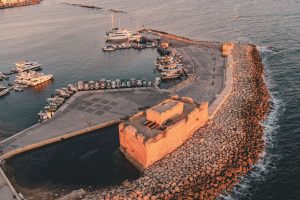
Nea Paphos Harbor

Nea Paphos Harbor

Nea Paphos emerged as one of the most strategically important harbor cities in the ancient Mediterranean. Founded in the late 4th century BC on the southwest coast of Cyprus, this planned city replaced the older settlement of Palaipaphos and quickly became the island's capital. touriste-ru The harbor served dual purposes as both a major naval base and a thriving commercial port, connecting Egypt with the broader Mediterranean world. Today, the archaeological remains spread across 100 hectares near modern Kato Paphos, offering a window into ancient maritime power. Historical Background King Nikokles, the last monarch of Palaipaphos, founded Nea Paphos around 320 BC. After Alexander the Great's death, Cyprus fell under Ptolemaic Egyptian control in 294 BC, where it remained for over 250 years. The site offered exceptional advantages. The city occupied a peninsula between two hills, with a natural bay providing shelter from storms. Strabo reported that the harbor offered protection from winds in all directions. Nearby forests supplied abundant cedar wood for shipbuilding, while the location sat on the critical maritime route between Rhodes and Alexandria. tripadvisor-ru Urban planners designed Nea Paphos according to the Hippodamian grid system, heavily influenced by Alexandria. Regular streets intersected at right angles, creating rectangular blocks called insulae. Defensive walls separated the urban area from the mainland, while public buildings faced the large harbor.…

Read more
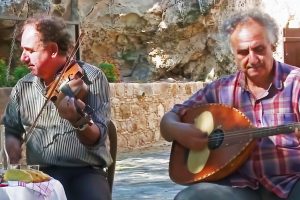
Tsiattista

Tsiattista

Tsiattista is a form of improvised vocal poetry unique to Cyprus, where performers engage in competitive exchanges of sung verses, demonstrating quick wit, strong memory, and mastery of language. This tradition, central to social gatherings and celebrations, involves rhymed couplets improvised on the spot, often touching on love, humor, or daily life. Recognized by UNESCO as intangible cultural heritage in 2011, tsiattista preserves ancient poetic roots while adapting to contemporary expression, leaving a sense of admiration for its lively, spontaneous nature. youtube-com A Timeless Tradition of Wit and Song Tsiattista embodies Cyprus's rich oral heritage, a practice where two or more singers alternate verses in a rhythmic duel, crafting poetry from the moment's inspiration. Rooted in the island's multilingual history, it blends Greek dialect with elements from ancient, Byzantine, and Ottoman influences, creating a musical dialogue that entertains and challenges. Performed at weddings, festivals, or casual gatherings, tsiattista turns ordinary conversations into art, where clever wordplay and cultural references showcase the performer's skill. This form not only preserves linguistic nuances but also fosters community bonds, making it a living expression of Cypriot identity. youtube-com The Historical Roots of Tsiattista Tsiattista's origins trace to ancient Greek poetic traditions, such as the rhapsodic contests described in Homer's epics around the 8th century BC, where bards improvised verses to honor gods or heroes.…

Read more