Explore Cyprus with Our Interactive Map

Explore our top stories and discover ideas worth your time.

Pelendri Church

Pelendri Church

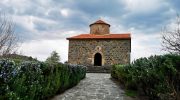
The Church of Timios Stavros in Pelendri is a layered Troodos interior built and repainted between the 12th and 16th centuries, preserving multiple fresco phases within a single working church. Dated inscriptions, shifting styles, and later aisle additions make the building a readable archive of rural devotion, local patronage, and Lusignan-era overlap rather than a single “perfect” moment. This article explains how the structure expanded, how the fresco programs differ by period, and why the church remains one of Cyprus’s clearest examples of belief accumulating without erasing what came before. google-com A Church Shaped by Reuse Pelendri lies high in the Pitsilia region, surrounded by steep slopes and dense forest, far from the coastal cities that usually dominate Cyprus's medieval history. Timios Stavros stands just outside the village core, a placement that suggests it functioned originally as a cemetery church rather than a parish centrepiece. google-com Its position tells an important story. This was not a monument built for display or prestige. It was a working religious space, shaped by generations who returned to it repeatedly for worship, burial, and memory. Over time, necessity and devotion changed their form, resulting in the layered structure that survives today. From Modest Chapel to Complex Basilica The earliest version of the church dates to the mid-12th century, when it existed as a single-aisled…

Read more

Christmas And New Year Traditions

Christmas And New Year Traditions

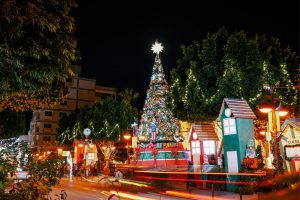
Christmas and New Year celebrations in Cyprus blend Orthodox Christian devotion with ancient folklore and Mediterranean hospitality. The festivities span from December 25 through January 6, creating a 12-day period known as the Dodekaimera or Twelve Days of Christmas. Unlike Western traditions, Cypriots exchange gifts on New Year's Day rather than Christmas, honoring Saint Basil instead of Santa Claus. The celebrations feature midnight church services, children singing Byzantine-era carols called Kalanda, elaborate family feasts with roasted meats and special sweets, and folk beliefs about mischievous goblins called Kalikantzari. The period concludes with Epiphany water blessing ceremonies that purify homes and drive away evil spirits. These traditions maintain cultural continuity across generations while bringing families together during winter's darkest days. The 40 Day Fast and Christmas Preparations Devout Orthodox Cypriots observe a 40-day fast before Christmas called the Nativity Fast, which begins on November 15. During this period, observant believers abstain from meat, dairy, eggs, and fish with backbones on most days. The fast aims to prepare believers spiritually for Christ's birth through self-discipline and reflection. Modern practice varies, with younger urban Cypriots often following modified versions or focusing fasting efforts on Holy Week before Easter. vkcyprus-com December brings intensive house cleaning, shopping for new clothes and shoes, and early preparation of traditional sweets. Families purchase ingredients for melomakarona, honey-soaked cookies…

Read more
Agios Lazaros Church Larnaca

Agios Lazaros Church Larnaca

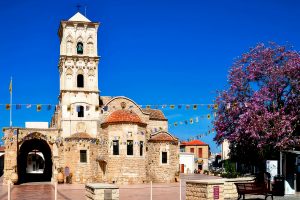
Agios Lazaros Church stands in central Larnaca, one of the most significant Christian sites in Cyprus. This Byzantine church was built in the late 9th or early 10th century over the believed tomb of Saint Lazarus. Lazarus of Bethany was the man Jesus raised from the dead after four days in the tomb, as described in the Gospel of John. According to Eastern Orthodox tradition, Lazarus fled Judea after his resurrection due to threats on his life and came to Cyprus, where Paul the Apostle and Barnabas appointed him as the first Bishop of Kition. He lived for thirty more years and was buried there for the second and last time. The church measures approximately 31.5 by 14.5 meters and was constructed primarily from limestone. Built by Byzantine Emperor Leo VI, it remains one of the oldest and most important churches on the island. Historical Background The location of Lazarus's tomb was believed to have been lost under Arab rule of the island from 649 AD. In 890, a tomb bearing the inscription "Lazarus, four days dead, friend of Christ" was discovered in Larnaca. In 898, Byzantine Emperor Leo VI had Lazarus's remains transferred to Constantinople. STELLAgloballookpress.com The transfer was apostrophized by Arethas, Bishop of Caesarea, and is commemorated by the Orthodox Church each year on October 17. In recompense…

Read more