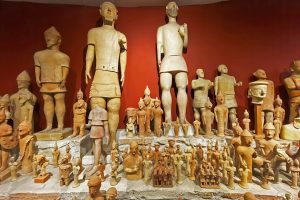
Emphasis on Frontalism and Hieratic Scale in ancient Cypriot art involved depicting figures in direct frontal views, with sizes scaled to reflect spiritual or social significance rather than physical accuracy. This method imbued artworks with a sense of authority and depth, incorporating influences from neighboring cultures to emphasize deities, rulers, or sacred concepts over naturalistic portrayals. The approach created compositions that convey power and divinity through straightforward, impactful forms.
A Style Prioritizing Significance
Cypriot art from antiquity often avoided precise replication of reality, opting instead for frontalism where subjects face outward directly. Hieratic scale further adjusted proportions, enlarging key elements to denote importance – a deity might dominate over attendants, defying natural dimensions. This was not a limitation but a deliberate strategy to clarify hierarchies, as seen in temple reliefs or vessel decorations, where the format ensured immediate comprehension of narratives.
Influences from Surrounding Regions
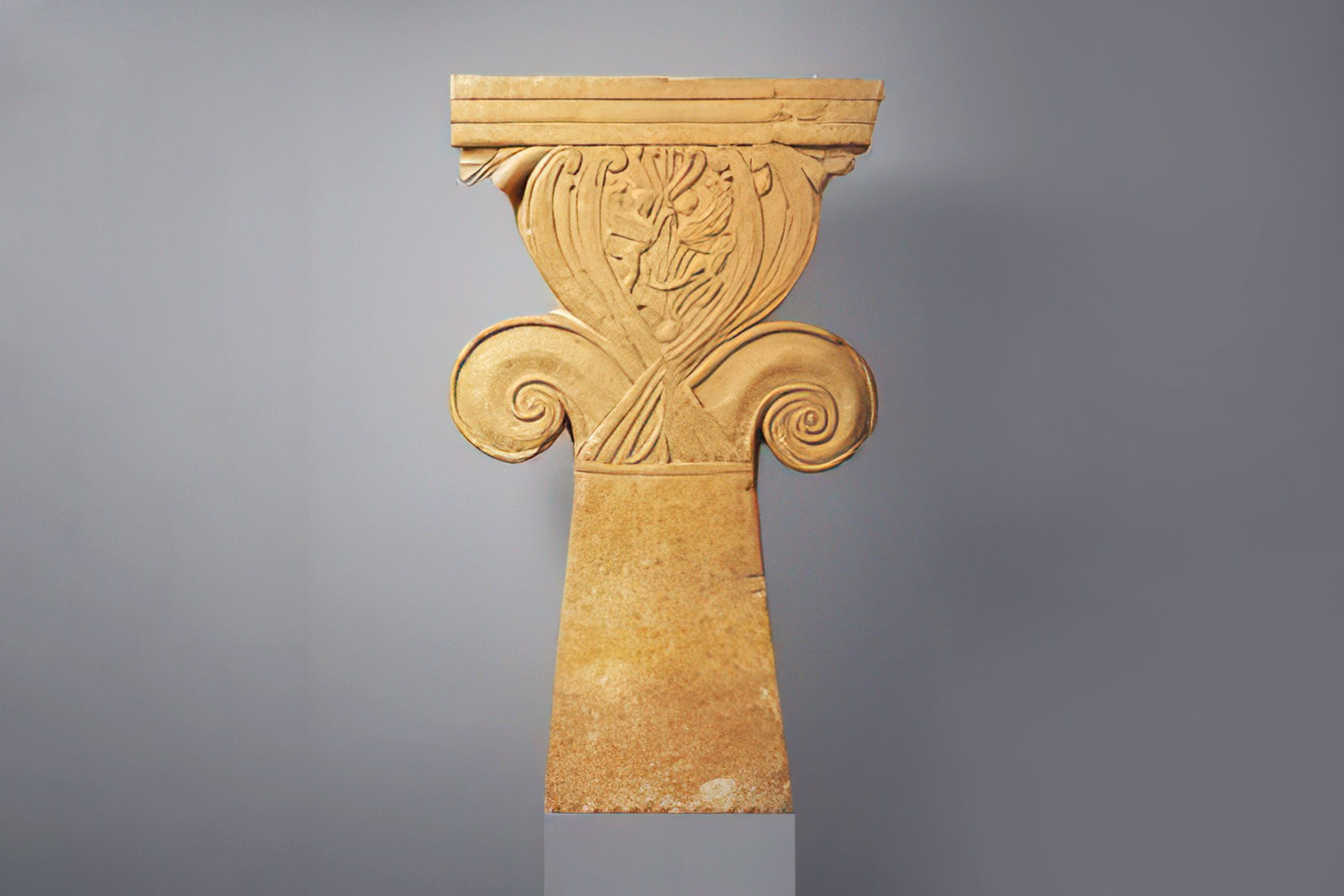
The technique drew from interactions with adjacent civilizations, beginning in the Bronze Age around 3000 BC amid trade with Egypt, the Near East, and Greece. Egyptian art’s rigid frontal poses and enlarged rulers influenced Cypriot statues, adopting a formal, unchanging stance. Near Eastern traditions contributed exaggerated scales for monarchs or divinities, while later Greek elements introduced subtle dynamism. As empires like Persia and Rome asserted control, Cypriot adaptations formed a distinctive synthesis aligned with the island’s multicultural fabric.
Manifestations in Artworks
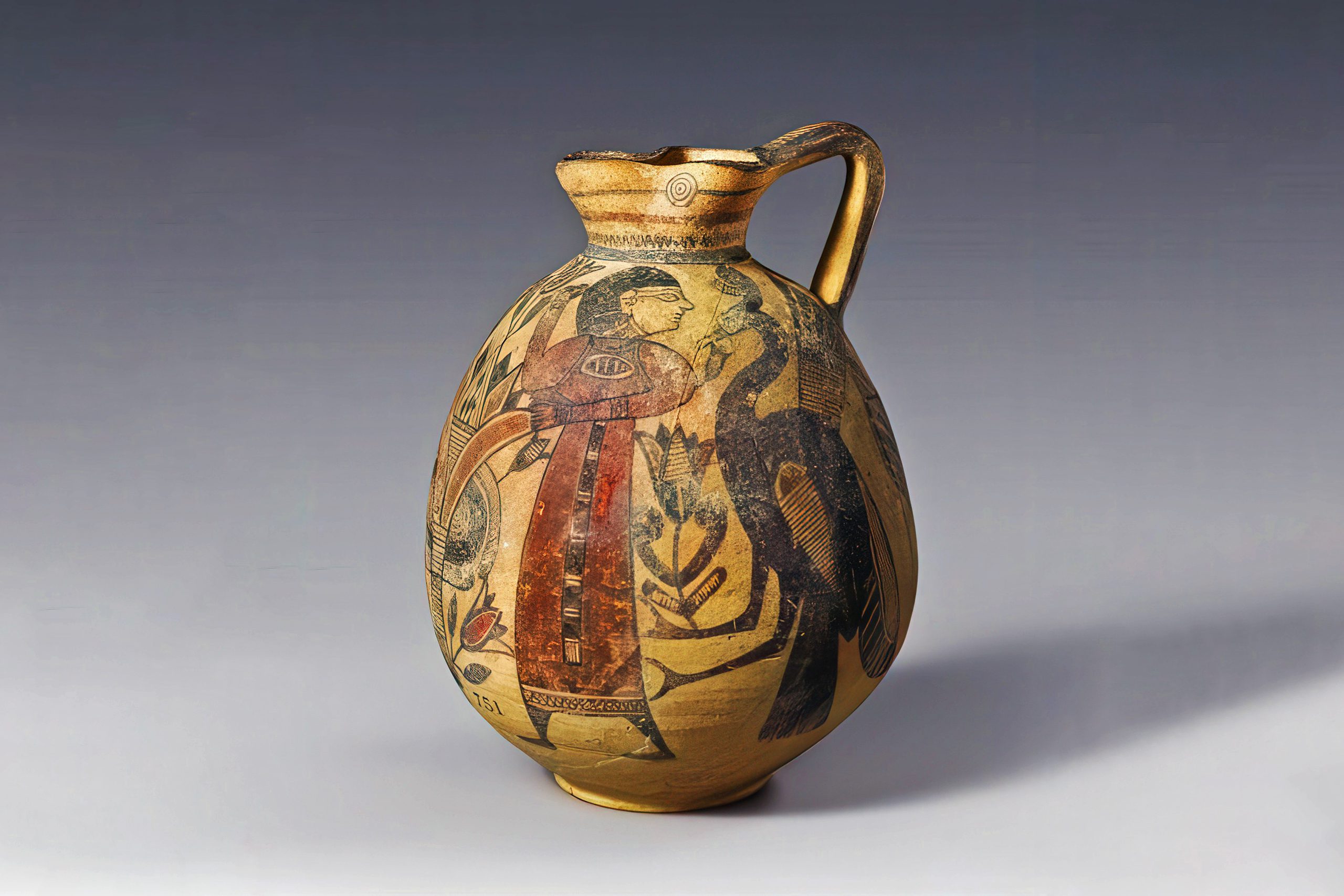
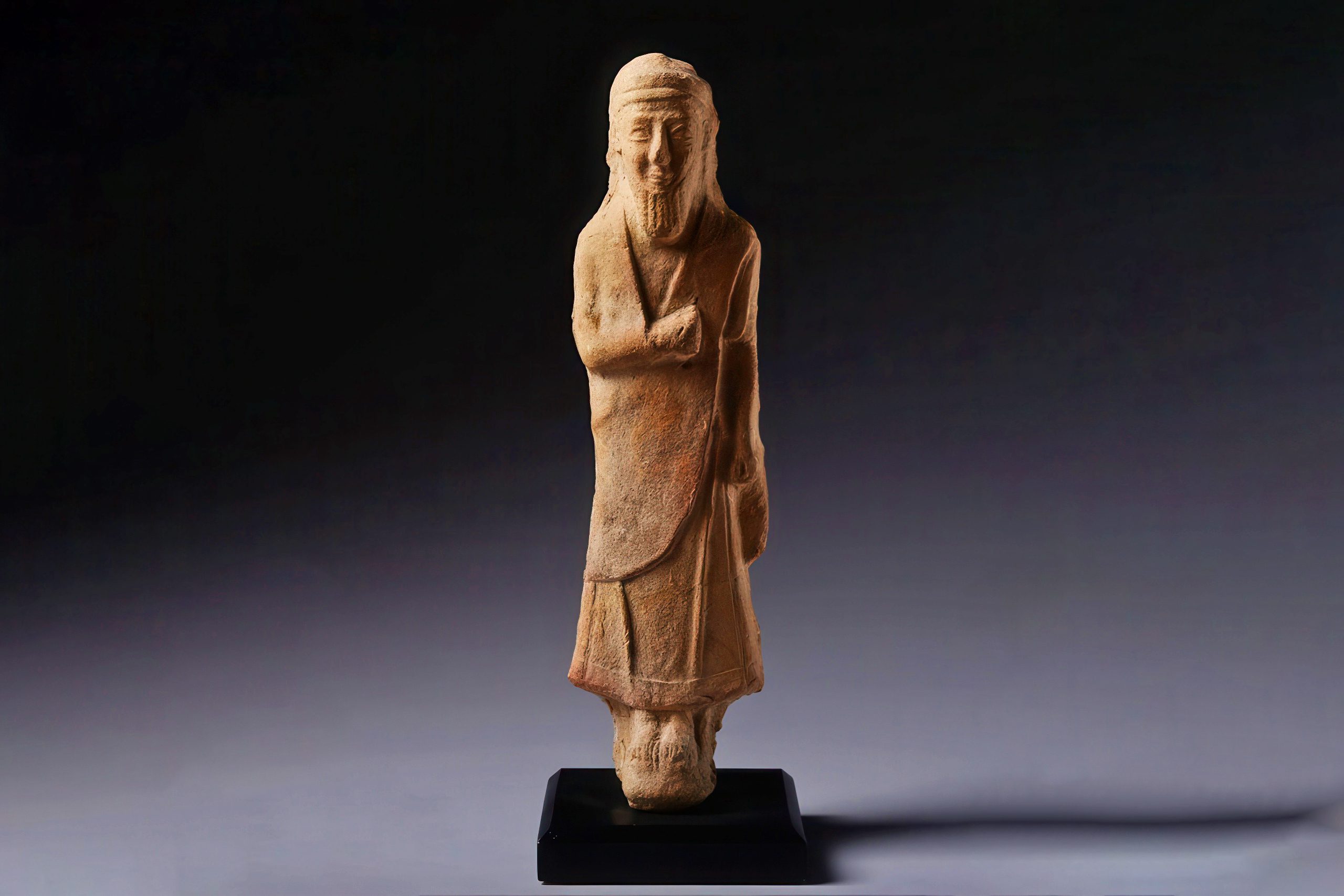
Sculptures from the Archaic period, approximately 700 to 500 BC, typically present figures in flat, frontal orientations with arms aligned and gazes fixed, evoking timeless guardians. A goddess often appears double the height of worshippers, underscoring dominance without verbal explanation. Pottery and seals follow suit: a prominent hero confronts diminished foes, or an oversized tree of life overshadows smaller creatures. These elements employed basic lines to articulate sacred or societal structures within constrained formats.
Distinctive Examples
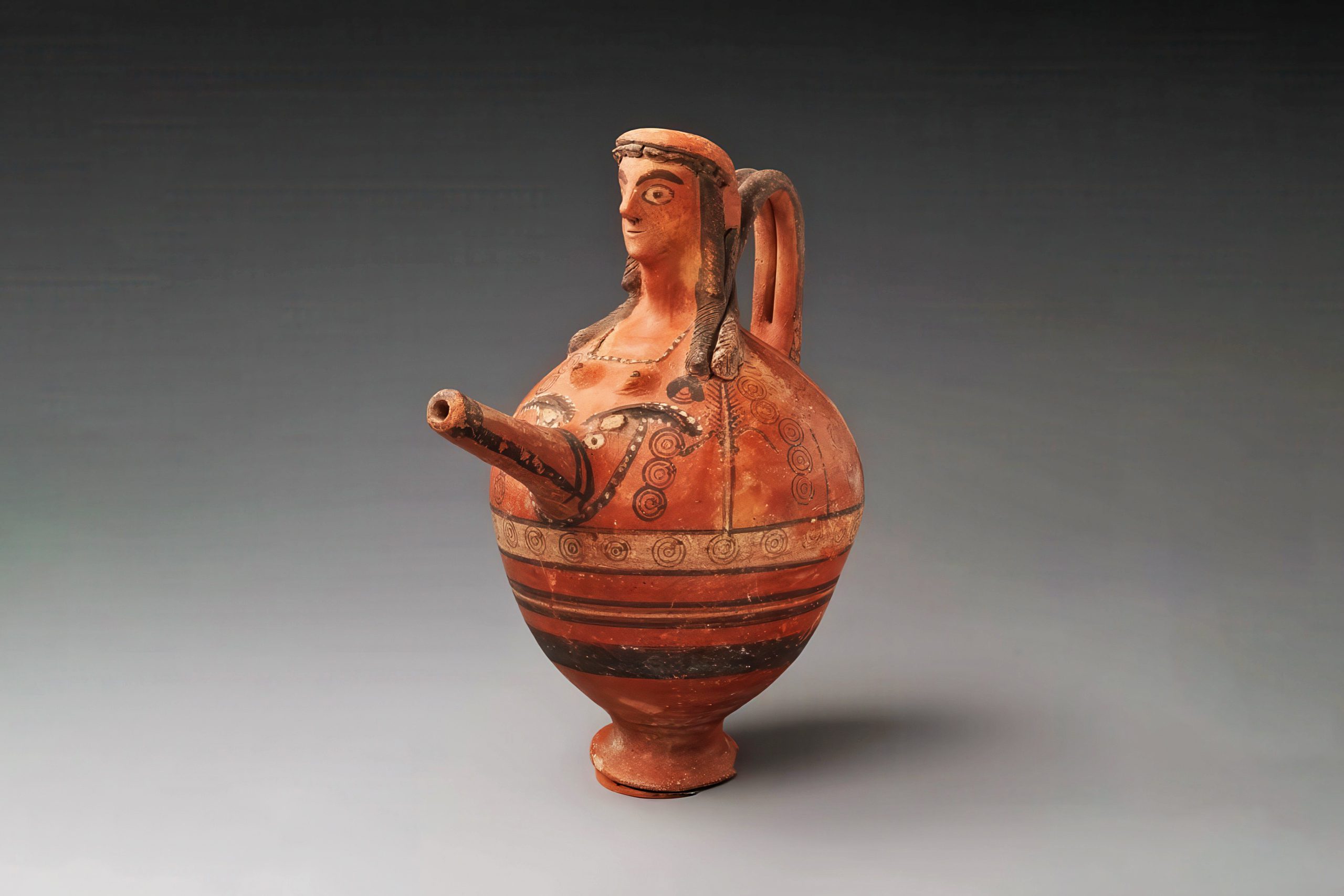
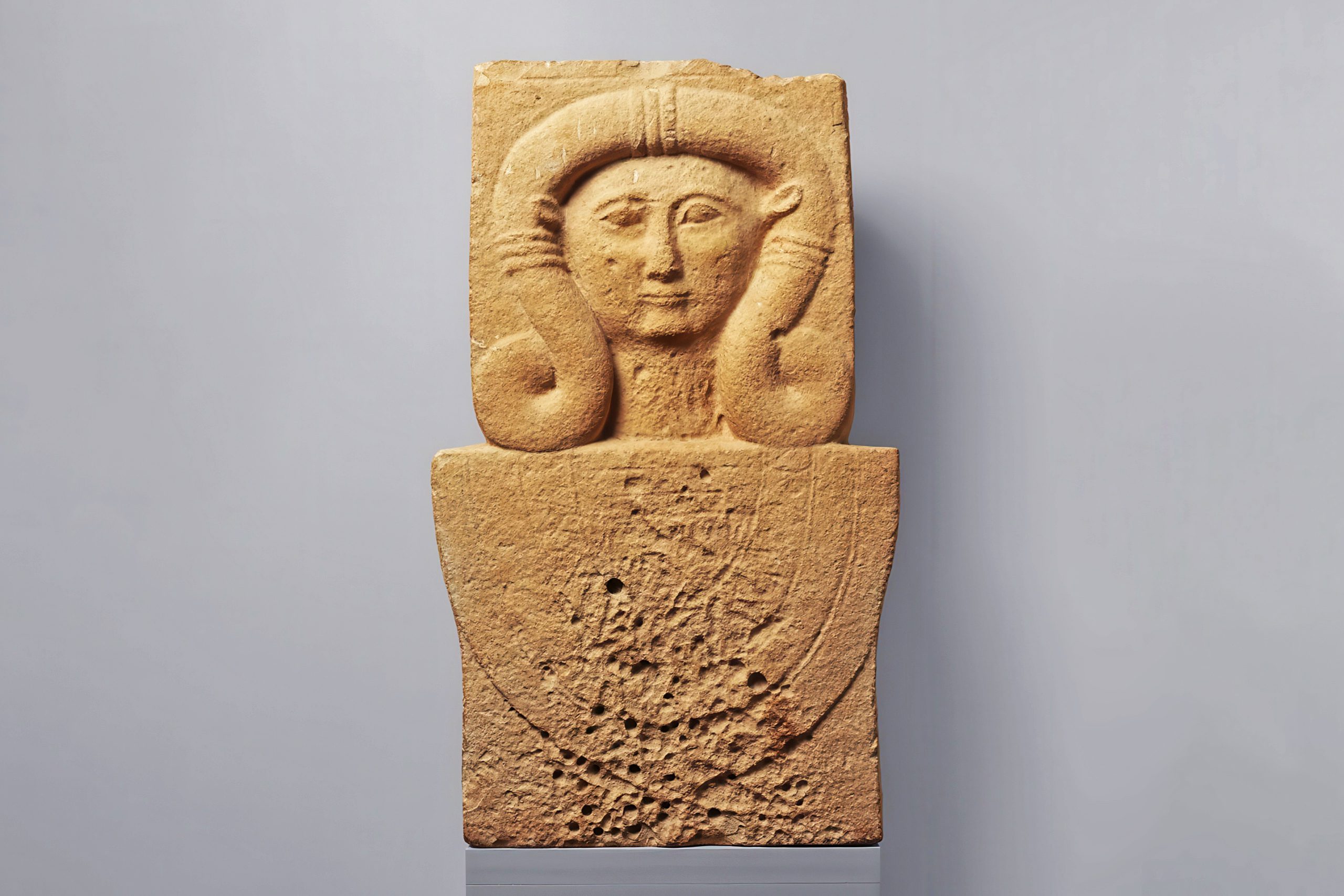
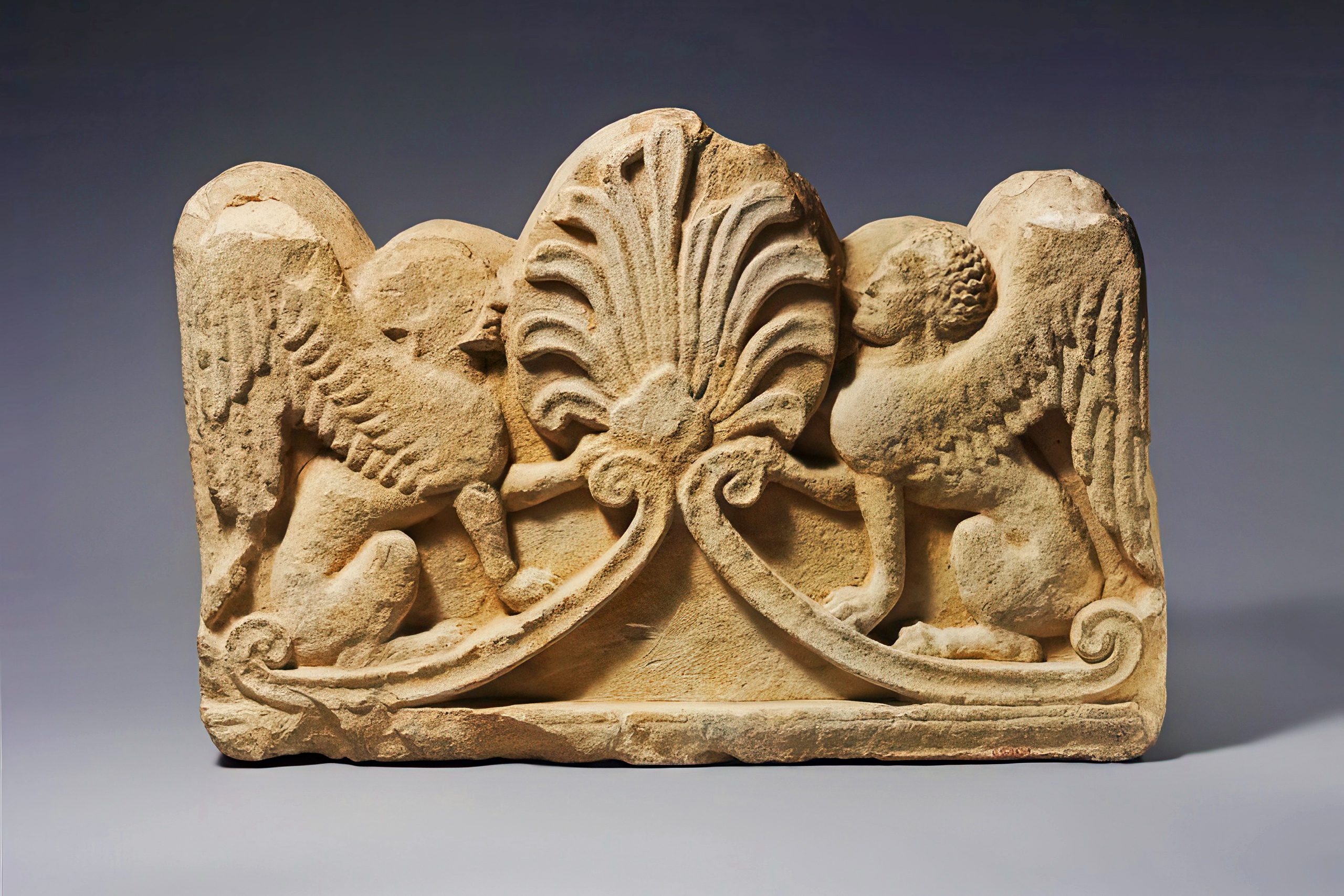
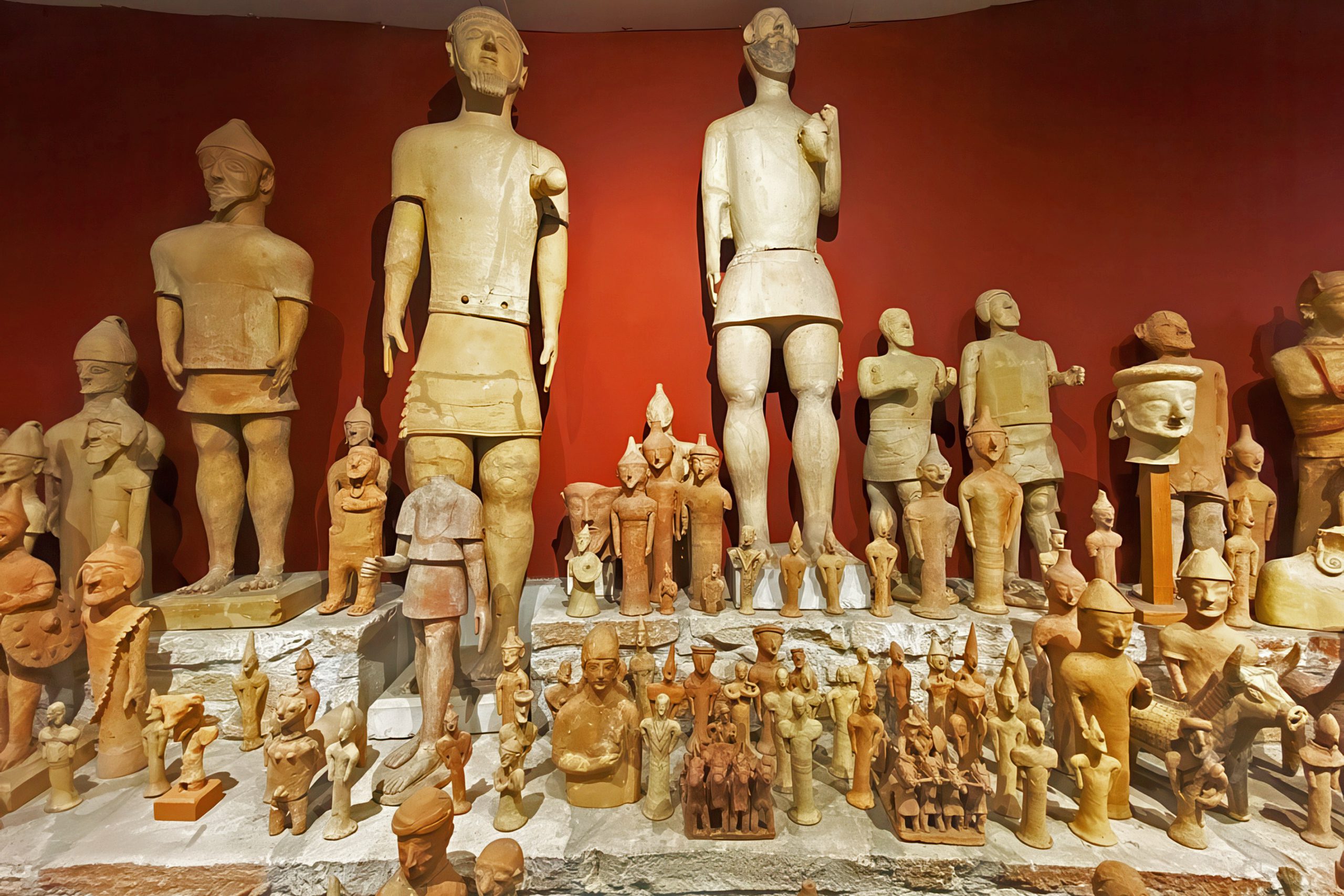
Limestone statues from Cypriot sanctuaries, such as Hathor-headed figures dated to around 600 BC, position the deity frontally and enlarged above lesser forms, merging Egyptian rigidity with regional nuances. Terracotta warriors from the Cypro-Archaic era depict leaders as the largest, with stern frontal expressions, while subordinates remain smaller and less detailed. Roman mosaics in Cyprus feature deities like Dionysus centralized and magnified, surrounded by miniature humans, forming compositions where scale narrates the theme.
Underlying Concepts in the Designs
This emphasis connected to core beliefs, with frontalism imparting an eternal, engaging quality to figures, akin to Egyptian traditions where verisimilitude yielded to symbolic intent. Hieratic scale delineated hierarchies, elevating deities or sovereigns to mirror societal and spiritual orders. In Cyprus’s context of Eastern majesty and Western narratives, the method facilitated cultural integration – an enlarged Aphrodite amid attendants symbolized her pervasive influence, positioning art as a medium for cohesion and interpretation.
Contemporary Resonance in Cyprus
Frontalism and hieratic scale from antiquity continue to shape Cypriot expressions. Modern murals and icons employ enlarged, direct-facing figures to convey themes of identity or nature, preserving historical echoes in current works. Amid the island’s divisions, these techniques appear in community art promoting unity, where scale highlights collective values over individual detail. Museums and educational programs emphasize them to explore harmony, while festivals incorporate scaled elements in dances or decorations, sustaining a sacred ambiance in daily practices. This legacy fosters appreciation for purposeful design in a diverse society.
Opportunities for Exploration
The Cyprus Museum in Nicosia houses statues and pottery exemplifying these styles, with low admission fees and clear signage. Paphos ruins display mosaics utilizing scale in open settings. Spring or fall conditions support comfortable visits, facilitating observation of the techniques in context.
A Style That Endures
Emphasis on frontalism and hieratic scale in Cypriot art demonstrates how direct orientations and scaled proportions communicated profound concepts of spirit and society. This was not centered on verisimilitude but on conveying essentials, integrating influences into a cohesive form. The legacy enriches views of Cyprus as a locale where art rendered the divine immediate. Interaction with an enlarged deity or diminished hero underscores regard for compositions that prioritize essence. This tradition affirms that impact resides in presentation rather than replication alone.