Cyprus café culture represents more than just drinking coffee. It functions as essential social infrastructure where friendships form, information spreads, and communities bond. The traditional kafeneio or coffee shop serves as the focal point of Cypriot life, particularly for men who spend hours daily in these establishments.
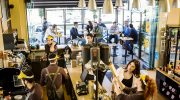
Unlike modern cafés designed for quick transactions, the traditional coffee shop encourages lingering through comfortable seating, warm hospitality, and unrushed service. Cypriots drink coffee in the morning, afternoon, and evening, treating each cup as an opportunity for connection rather than caffeine delivery. After long days at work or in the fields, the kafeneio becomes the natural refuge where locals gather to relax, debate, play games, and maintain social bonds that hold villages together.
The three chair ritual and village hospitality
The traditional Cypriot coffee shop operates according to customs passed down through generations. The famous three chair ritual requires one chair for sitting, a second placed opposite for stretching tired legs, and a third to support the coffee cup. Some villages take this further, with Ora village residents using seven chairs, earning them the nickname eftatsaerites. This elaborate seating arrangement reflects the cultural expectation that coffee drinking demands time, comfort, and proper attention.

The kafeneio atmosphere transports visitors back in time, particularly in rural areas where establishments consist of single large rooms with simple furnishings. Village coffee shops often form directly from any store, with a few tables creating gathering space. Hospitality remains paramount, with strangers welcomed immediately and engaged in conversations about background, profession, and family before discussions inevitably turn to current affairs and international politics.
From politics to backgammon in one afternoon
The kafeneio serves multiple social functions beyond simply serving beverages. Men gather to discuss politics, share village gossip, settle transactions and disputes in front of witnesses, and exchange the latest news. In earlier times when most rural inhabitants were illiterate, coffee shops held evening newspaper readings with designated village readers sharing stories and daily news for all to hear.

Coffee shop owners were first to install wireless radios, making newspaper readings redundant as men gathered to listen to broadcasts from around the world. They also introduced gramophones, billiard tables, table football, television sets, pinball machines, and electronic arcade games over the decades.
Games dominate the social landscape, particularly tavli or backgammon and pilota card games. Customary bets determine who pays for coffee, with spectators gathering around tables to watch, offer advice, and become emotionally invested in outcomes. The click clack of backgammon pieces creates the characteristic soundtrack of kafeneio life.
Cyprus coffee prepared the traditional way
Cyprus coffee differs from espresso or filter coffee through its unique preparation method. Finely ground coffee beans are brewed in a small copper pot called a briki or mbriki over gentle heat, traditionally using a sand filled brazier for even cooking. The slow brewing allows flavors to develop fully and creates the characteristic foam or kaimaki on top, which must remain intact for the coffee to be considered properly prepared.

The coffee comes in three sweetness levels: sketo without sugar, metrio medium sweet, and gliko sweet. It is traditionally served with a glass of cold still water, which serves as palate cleanser, hydration against coffee’s dehydrating effects, and symbol of hospitality. The ritual of three cups governs proper service, with the water glass positioned opposite the serving hand on the tray. After finishing, many Cypriots practice kafemandeia or coffee fortune telling, flipping the cup upside down onto the saucer and interpreting patterns left by grounds to reveal insights about past, present, and future.
Traditional sweets and accompaniments
Coffee never arrives alone at a traditional kafeneio. Cyprus coffee comes accompanied by traditional sweets including machalepi pudding made with cornflour and rose water, or glyko tou koutaliou which translates to spoon sweets. These preserved fruits and vegetables in syrup are served in tiny plates with a glass of cold water, with karydaki or preserved walnut considered the finest variety.

Drinks may include soumada made from almonds, airani consisting of yogurt mixed with cold water, salt and mint, or homemade lemonade prepared by someone’s giagia or grandmother using lemons from her own tree. Later in the day when coffee gives way to stronger beverages, the kafeneio serves zivania, ouzo, tsipouro, and brandy accompanied by small cold dishes of Cyprus tsilimma or drink accompaniments including vegetables, cheese, and cured meats. This progression from coffee to alcohol transforms the kafeneio from daytime refuge to evening social center.
Modern cafés blend tradition with innovation
While traditional kafeneio remain central to village life, urban areas now host specialty coffee shops that blend old customs with contemporary approaches. The third wave coffee movement brought craft roasters dedicated to sourcing highest quality beans and carefully crafting each cup.
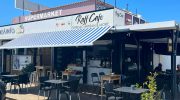
Modern establishments focus on the entire coffee experience from bean origin to brewing method, working closely with farmers and supporting sustainable practices. Despite this innovation, many urban cafés deliberately evoke traditional kafeneio aesthetics with wooden tables, simple furnishings, and welcoming atmospheres.

Some like O Fanos Thyellis in Limassol have operated for over half a century, maintaining original clientele while attracting younger crowds. The wooden tables and chairs recall old man kafeneio while menus offer trendy cocktails and elaborate brunch. This generational mixing creates spaces where old men sip Cypriot coffee while young people check smartphones, both finding community in shared space.
Why café culture defines modern Cyprus
Coffee breaks function as mental health intervention in Cyprus, providing micro moments of connection that combat loneliness and stress. Science confirms that brief positive social contact lowers stress hormones and boosts feel good brain chemicals, with small talk and casual interactions significantly increasing wellbeing and belonging.
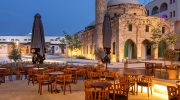
The mid morning office frappé run, the post lunch medrio, and the after work cappuccino at the local kafeneio create structure and community in daily life. These tiny interactions accumulate over time, protecting against isolation, stress, and burnout. The café culture demonstrates how traditional practices adapt to modern pressures while maintaining essential social functions.
For Cyprus, the kafeneio represents cultural persistence, as Cypriots continue cherishing traditional coffee culture despite rise of modern chains. The practices preserve hospitality, resilience, and rich heritage while creating spaces where face to face communication remains valued over digital interactions. Coffee breaks might constitute one of the healthiest habits Cypriots maintain in an increasingly isolated world.