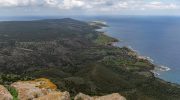
Cyprus offers some of the Mediterranean’s most spectacular driving routes, where every turn reveals new landscapes. The island combines rugged mountain roads with sweeping coastal highways, creating opportunities for unforgettable journeys.
These routes connect ancient monasteries, traditional villages, archaeological sites, and pristine beaches through landscapes that shift dramatically within short distances. Whether winding through pine-covered mountains or following cliff-edge roads above turquoise waters, Cyprus’s scenic routes provide access to the island’s diverse natural beauty and cultural heritage.
The Mountain Heart of Cyprus
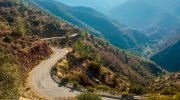
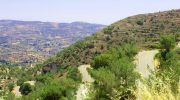
The Troodos Mountains, the largest mountain range in Cyprus, offer some of the island’s most scenic drives. This area is known for its picturesque villages, dense forests, and cool mountain air. The drive from Limassol to the heart of Troodos takes visitors through changing elevations where coastal plains gradually give way to rolling hills and then steep mountain slopes covered in pine forests.

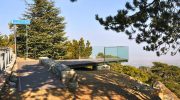
The road to Mount Olympus, Cyprus’s highest peak at 1,952 meters above sea level, provides dramatic vistas at every elevation. On clear days, drivers can see the island’s coastline stretching out in all directions from various viewpoints along the route. The summit area hosts two military bases, British and Cypriot, but the journey up offers numerous stopping points for photography and observation. The winter months between December and February occasionally bring snow to these heights, transforming the landscape into a white wonderland that contrasts sharply with the warm beaches below.
The route through Cedar Valley in the Nicosia District runs through one of Cyprus’s most unique forest environments. This area contains thousands of endemic Cyprus cedar trees, a species found nowhere else on Earth. The valley road winds between these ancient trees, some several hundred years old, creating a drive through living natural history. The combination of dramatic rock formations, deep valleys, and the distinctive cedars makes this route particularly memorable for nature enthusiasts.
Coastal Drives with Mediterranean Views
The coastal road from Larnaca to Ayia Napa offers breathtaking sea views along well-maintained highways. This scenic route showcases the crystal-clear waters and white sandy beaches that define Cyprus’s southeastern coast. The drive begins at Mackenzie Beach in Larnaca, a popular spot where visitors can watch aircraft land at the nearby airport while enjoying seaside cafes. The route continues through Cape Greco National Forest Park, where dramatic limestone cliffs plunge into deep blue waters.

Cape Greco itself deserves extended stops. The area features sea caves accessible during calm conditions, natural rock arches formed by millennia of wave erosion, and viewpoints that offer some of the best photography opportunities in Cyprus. The chapel of Agioi Anargyroi sits on a clifftop overlooking the sea, with steps leading down to a cave where holy water runs. The Sea Caves Viewpoint attracts visitors who marvel at the turquoise waters and hidden grottos carved into the white limestone.
The western coastal drive from Limassol to Paphos follows the B6 road along the Mediterranean, dotted with archaeological sites and natural landmarks. This route passes through Kourion, one of Cyprus’s most impressive ancient cities perched on a cliff overlooking the sea. The well-preserved Greco-Roman theater still hosts performances today, and visitors can explore intricate mosaics while enjoying panoramic coastal views.
The Wild Akamas Peninsula
The Akamas Peninsula in northwestern Cyprus presents rugged landscapes where coastal beauty meets mountainous terrain. This 230-square-kilometer area remains largely untouched by development, offering some of the island’s most pristine natural environments. The peninsula features deep gorges, pine forests, wild rocky coasts, and crystal-clear seas protected under the Natura 2000 European network.
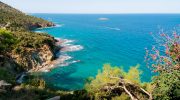
Access to the peninsula’s interior requires four-wheel-drive vehicles, as paved roads end at the main access points like the Baths of Aphrodite. Beyond these entry points, rough dirt tracks wind through the wilderness, requiring careful navigation but rewarding adventurous drivers with secluded beaches and dramatic viewpoints. The landscape undulates from golden sandy beaches through arid shrub plains to thick green mountain forests.
The Aphrodite Trail stretches 7.5 kilometers through the peninsula, following the mythical goddess’s footsteps past medieval ruins, pine woods, and panoramic viewpoints. While primarily a hiking route, access roads to various trailheads provide scenic driving opportunities with views of Polis Chrysochous Bay and the Mediterranean horizon. The area hosts over 600 plant species, many endemic to Cyprus, creating botanical diversity visible from roadside vantage points.
Avakas Gorge, accessible via rough roads from the southern end of Akamas, showcases spectacular limestone canyon formations. The gorge features towering rock walls up to 30 meters high, created by thousands of years of water erosion. While exploring the gorge interior requires hiking, the approach roads offer views of the dramatic landscape where cliffs meet forests.
Mountain Villages and Cultural Routes
The Commandaria wine villages south of Troodos can be explored via scenic routes that connect traditional settlements famous for Cyprus’s oldest wine. Starting from Limassol, the route passes through Kolossi with its 13th-century castle, then winds through mountain villages like Monagri, Doros, and Laneia. These villages maintain traditional architecture and family-run wineries where visitors can taste wines produced using methods dating back centuries.

The village of Omodos ranks among the most charming stops in the Troodos foothills. Located on the Krasochoria Lemesou wine route, Omodos features cobbled streets, boutique shops with handmade crafts, and family-run restaurants serving traditional Cypriot cuisine. The Holy Cross Monastery sits at the village center, and nearby wineries offer tastings in historic settings. The drive to Omodos from Limassol takes about 45 minutes through vineyards and terraced hillsides.
The UNESCO church route through Troodos connects painted Byzantine churches designated as World Heritage Sites. This driving route links Panagia tis Asinou near Nikitari, the Church of the Holy Cross of Ayiasmati in Platanistasa, Panagia tou Araka in Lagoudera, and several others. Each church contains remarkable frescoes from the 12th to 16th centuries, and the roads connecting them wind through mountain scenery that has changed little over the centuries.
The village of Kakopetria provides another worthwhile destination accessible via scenic mountain roads. The old quarter features traditional stone houses and narrow streets that transport visitors to earlier times. The village sits along a river valley with plane trees providing shade, and nearby trails lead to waterfalls and forest viewpoints. The drive from Nicosia to Kakopetria offers a gradual climb with opportunities to stop in heritage villages along the way.
Essential Information for Scenic Drives
Cyprus drives on the left-hand side of the road, a legacy of British influence that may require adjustment for visitors from most European countries. The roads vary significantly in condition, with major coastal highways well-maintained and paved, while mountain roads can be narrow with sharp turns and steep grades. Drivers should exercise caution in the Troodos Mountains where roads can be winding and challenging.
Petrol stations become sparse in mountain areas, so filling the tank before entering remote regions is essential. Some scenic routes pass through areas where the next station may be an hour or more away. Planning fuel stops prevents the inconvenience of running out in isolated locations.
The best seasons for scenic drives depend on the route. Spring from March to May offers mild temperatures, wildflowers, and flowing waterfalls in mountain areas. Autumn from September to November provides comfortable conditions and changing colors in deciduous forests. Summer drives along the coast benefit from clear skies and warm weather, though mountain routes offer escape from coastal heat. Winter occasionally brings snow to the highest elevations, making some mountain passes impassable but creating unique photographic opportunities.

Parking at popular viewpoints and attractions fills quickly during peak tourist season, especially in summer months and on weekends. Arriving early in the day ensures parking availability and provides better light for photography at many scenic locations. Most viewpoints and trailheads offer free parking, though spaces may be limited at the most visited sites.
Why These Routes Matter
Cyprus’s scenic routes connect visitors to landscapes and heritage that define the island’s character. The dramatic shifts from coast to mountain, from ancient ruins to living villages, from cultivated valleys to wild peninsula, all become accessible through these driving experiences. Each route tells part of Cyprus’s story, whether through Byzantine churches clinging to hillsides, traditional villages preserving centuries-old practices, or natural formations shaped by geological forces over millions of years.
For those willing to venture beyond beach resorts, these routes reveal the complexity and diversity that make Cyprus more than just a coastal destination. The island’s compact size allows exploration of mountains, coasts, forests, and villages within single day trips, yet each area offers enough interest to warrant extended visits. The scenic routes provide frameworks for discovering Cyprus at a personal pace, with the freedom to stop, explore, and experience the island’s many layers.