Cyprus introduced a comprehensive General Healthcare System known as GHS or GeSY in June 2019, providing universal healthcare coverage to all citizens and residents based on residency. The system represents a major transformation from the previous fragmented approach where public and private sectors operated separately with high out-of-pocket costs for patients. GESY provides all medical services for citizens and residents of Cyprus, from a standard medical check to complex surgeries. Every person registered in GESY has a personal doctor or general practitioner who serves as the first point of contact for healthcare needs.

The implementation occurred in phases, with outpatient care beginning in June 2019 and inpatient hospital care starting in June 2020. By April 2023, approximately 933,000 beneficiaries were registered in the system, making up three quarters of the population. The health care system is a mixture of a National Health Service and a Social Health Insurance scheme, funded by beneficiaries’ and employers’ contributions and the state budget.
An actuarial study by the International Labour Organization projects that the GHS will remain financially viable until 2031, with reserves totaling approximately 590 million euros as of 2023. Extension of coverage and increased availability of health providers under GeSY has seen household out-of-pocket spending decline substantially from 45 percent in 2018, among the highest in the EU, to 18 percent in 2020 and 10 percent in 2021.
How Patients Access Healthcare Services
Beneficiaries can enroll in the GHS and register with a personal doctor either online or by visiting a doctor directly. Personal doctors serve as the first contact point and are responsible to provide all required healthcare services as well as to guide and refer beneficiaries to more specialized healthcare when needed. Patients can choose personal doctors from both the public and private sectors, with doctors receiving per capita remuneration based on the age group of registered beneficiaries.
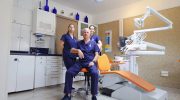
The latter provides primary health care free of charge and can issue a referral if a patient needs to see a consultant. A visit to a consultant with a referral costs 6 euros, while without a referral the cost is 25 euros. Small co-payments of up to 10 euros may be charged for extra services, like buying a pharmaceutical product or having a laboratory examination.
There is no charge for women to visit an outpatient specialist in gynecology or obstetrics or for people serving compulsory military service with a referral by an army doctor. Depending on age, a person can only see a general practitioner a limited number of times per year. The right to health within the GHS is independent from the payment of contributions. Thus, beneficiaries without an income including unemployed, children, students, soldiers and others have equal access to healthcare services.
The introduction of personal doctors has contributed to a large reduction in unmet needs for medical care, from 1.4 percent in 2018 to 0.4 percent in 2020 and 0.1 percent in 2022. Research conducted in April 2024 found a high satisfaction rate among beneficiaries, with 92 percent of participants indicating an improvement in the quality of services since the GHS’s implementation.
Comprehensive Coverage of Medical Services
The GHS covers a wide range of healthcare services designed to ensure that all citizens and permanent residents have access to high-quality medical care. Outpatient care includes consultations with general practitioners and specialists, diagnostic tests, and treatments. Inpatient care covers hospitalization and treatment in both public and private hospitals.
Pharmaceutical care allows beneficiaries to access prescription medication and other pharmaceutical products. Preventive care includes services such as vaccinations, screenings, and health education programs to promote overall health and prevent diseases. Rehabilitation care provides physical, occupational, and speech therapy services to aid in recovery and rehabilitation.
Additional covered services include healthcare by nurses, midwives, clinical psychologists, clinical dieticians, physiotherapists, occupational therapists and speech pathologists. The system also provides preventive dental healthcare services, palliative healthcare and medical rehabilitation. Healthcare services in cases of accidents and emergencies are covered, along with ambulance services.
New services and providers have been added to expand the system. Four new hospitals, two accident and emergency departments, two daycare centers, homecare, and palliative care providers joined the network. The expansion of coverage incorporated new treatments, speech therapy, clinical dietetics, podiatry, and dialysis centers into the system.
Public Healthcare Infrastructure
Public hospitals and health centers in Cyprus belong to the State Health Services Organisation, the largest healthcare provider in Cyprus. It runs nine hospitals and 38 health centers in all cities and provinces. The government hospital network includes five general hospitals, two regional hospitals, one mother and child hospital, serving different regions across the island.
Cyprus has a well-developed network of health facilities, facilitating good access to healthcare services across the country. Staff at medical facilities in Cyprus tend to speak good English, so there should be no problem communicating medical issues. The public system is closely regulated by the Ministry of Health to ensure standards of care and patient safety.

Mental health services focus on three main axes. Mental Health Services for Adults include the Mental Health Hospital and two Psychiatric Clinics in General Hospitals located in Nicosia and Limassol, Mental Health Community Centers and Psychosocial Rehabilitation Units. Child and Adolescent Mental Health services provide specialized care for younger patients. Prevention and Treatment of Drug Dependence programs address substance abuse issues.
Among the disadvantages of the Cyprus healthcare system is a need for more doctors and nurses in public healthcare, especially during tourist season. Public hospitals in Paphos and Famagusta become packed as the population increases almost twice seasonally. Still, the number of doctors is higher than average in Europe, and Cyprus hopes to fill the vacant posts with new specialists. There are four medical schools in the country training new healthcare professionals.
Private Healthcare Options
The private healthcare system in Cyprus operates independently from the public system. It is predominantly unregulated, with most of its funding coming directly from customers including Cyprus citizens and foreigners. Private healthcare offers many options for every budget, with prices differing from company to company and depending on the chosen insurance program, medical history, and other factors.
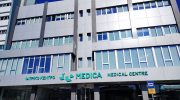
Private hospitals, centers, and polyclinics house a variety of specializations as well as general medicine and surgery. Some of them have their own ambulance service, Accident and Emergency Departments, and laboratories. Moreover, establishments concentrating on one or two specializations exist, such as pediatrics, eye care, gynecology and fertility, or fertility and IVF services.
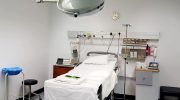
Private health insurance is required to apply for permanent residence in Cyprus. Insurance can be obtained from a local company or an international provider operating in Cyprus. Cyprus provides a wide choice of health insurance coverage and accepts International Health Insurance schemes. Travelers or tourist health insurance is also acceptable for visitors.
Who Qualifies for Public Healthcare
Four categories of people are entitled to public health insurance in Cyprus. Cyprus citizens automatically qualify for the system. Foreign nationals including EU, EEA, UK, and third-country nationals with an alien registration certificate and a valid residence permit such as permanent residency by investment are eligible. Dependent family members of a GHS beneficiary such as a spouse or child are also eligible, including those who are third-country nationals.
Permanent residents in Cyprus are eligible for the public healthcare system, provided they have contributed to the country’s budget for at least three years. Permanent residents can issue a medical card online and submit a paper version at any Citizen Service Centre. If you are on a low income, receive certain benefits or have an S1 form, you can apply for a medical card that means co-payments will be lower or free when accessing state healthcare services.
EU and UK citizens in Cyprus can use their European Health Insurance Card or Global Health Insurance Card to access the Cyprus public healthcare system for temporary stays. Students should apply for a Student GHIC to get medically necessary, state-provided healthcare for the duration of their study period in Cyprus, whether this is for part or all of their course.
Emergency Services and Pharmacies
To call an ambulance, dial 112 or 199. Emergency treatment and other medical services in Cyprus may require a co-payment, a set sum paid directly to the healthcare providers. Usually, it is no more than 10 euros. Emergency departments operate at major public and private hospitals, providing urgent care around the clock.

Pharmacies in Cyprus are widely available and highly professional. By law, they must be registered with the Pharmacy Board under the Ministry of Health and operated by registered pharmacists. They are open during normal business hours, but there are several night pharmacies for late evenings, holidays, and weekends.
Prescription medications require referrals from doctors, with the GHS covering a wide range of pharmaceutical products. Co-payments for medications help manage system costs while ensuring essential medicines remain accessible. Generic medications are encouraged to reduce costs while maintaining treatment quality.