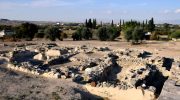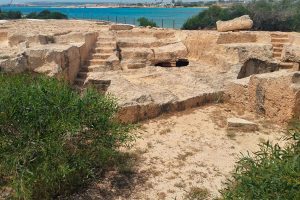
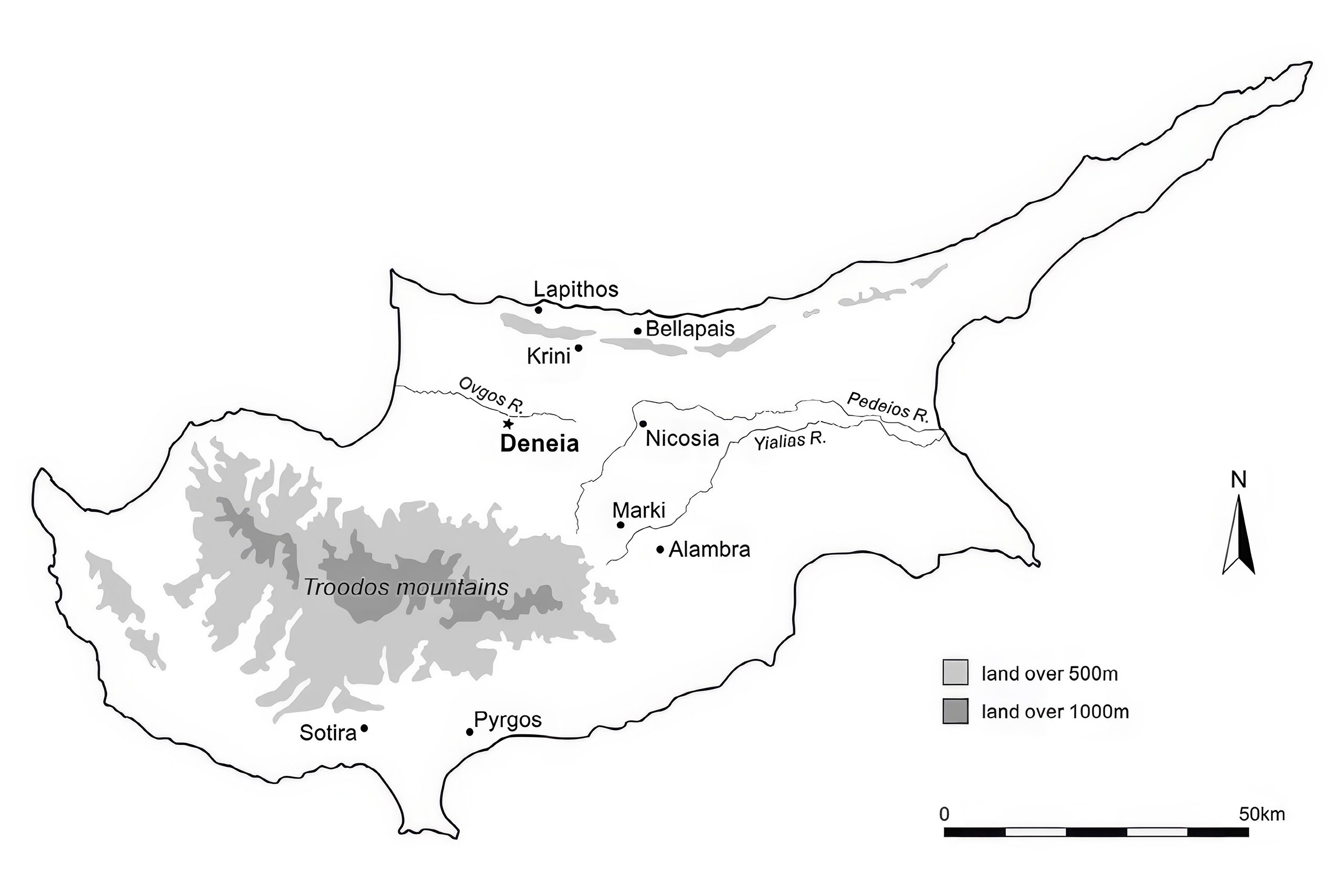
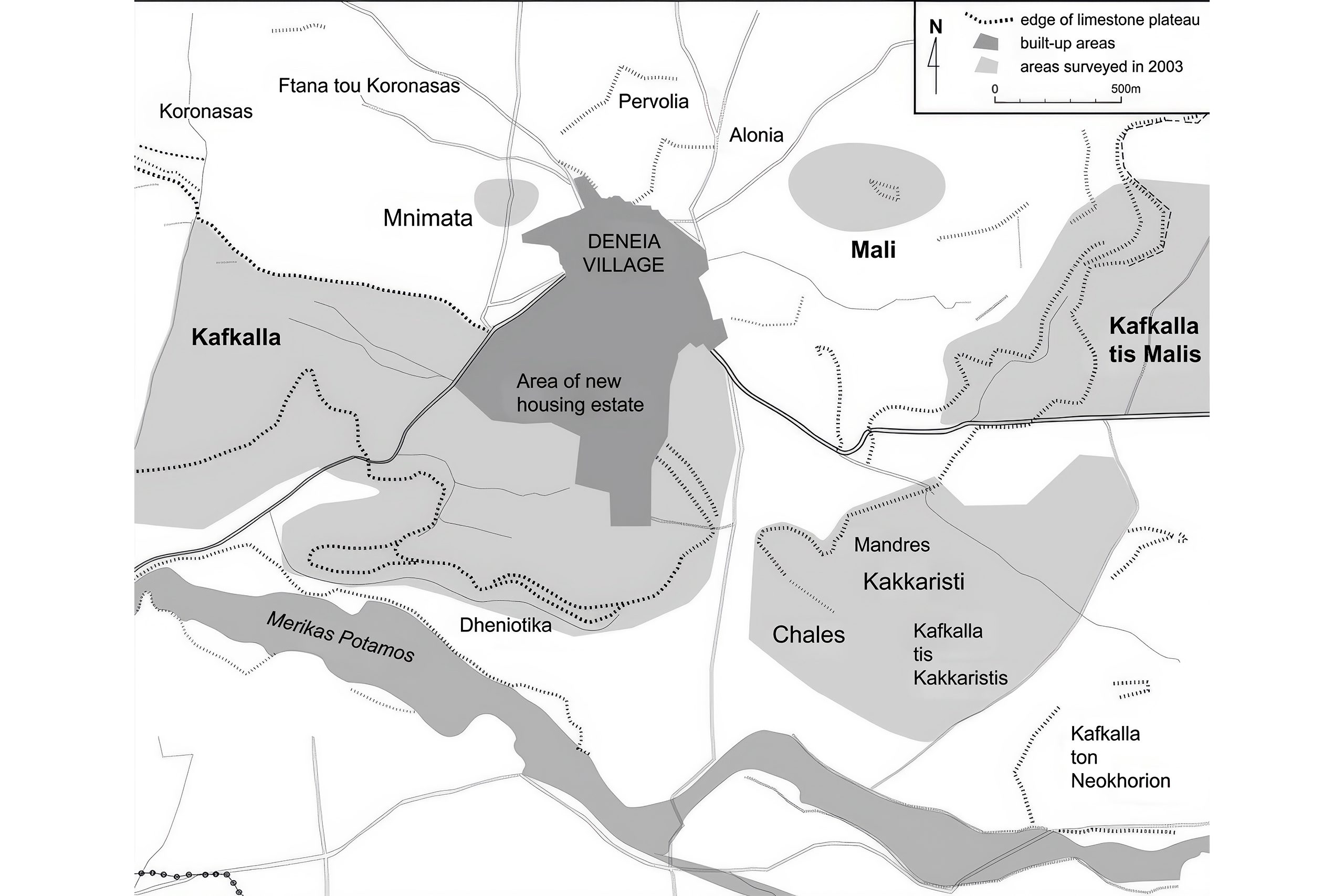
Just southeast of the modern village of Deneia in the Nicosia district lies one of Cyprus’s most significant Bronze Age burial grounds. This ancient necropolis contains over 1,250 tombs that document nearly a thousand years of funerary practice, from approximately 2500 BCE through 1650 BCE, making it among the most extensively used cemeteries in prehistoric Cyprus.
The Deneia necropolis represents an extraordinary concentration of chamber tombs carved into natural rock during the Early and Middle Bronze Age periods. Unlike many smaller cemeteries scattered across Cyprus that served individual villages, Deneia appears to have functioned as a regional burial ground that drew communities from a wider area.
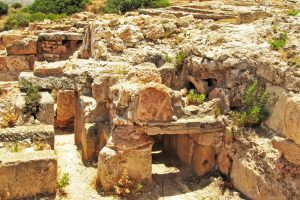
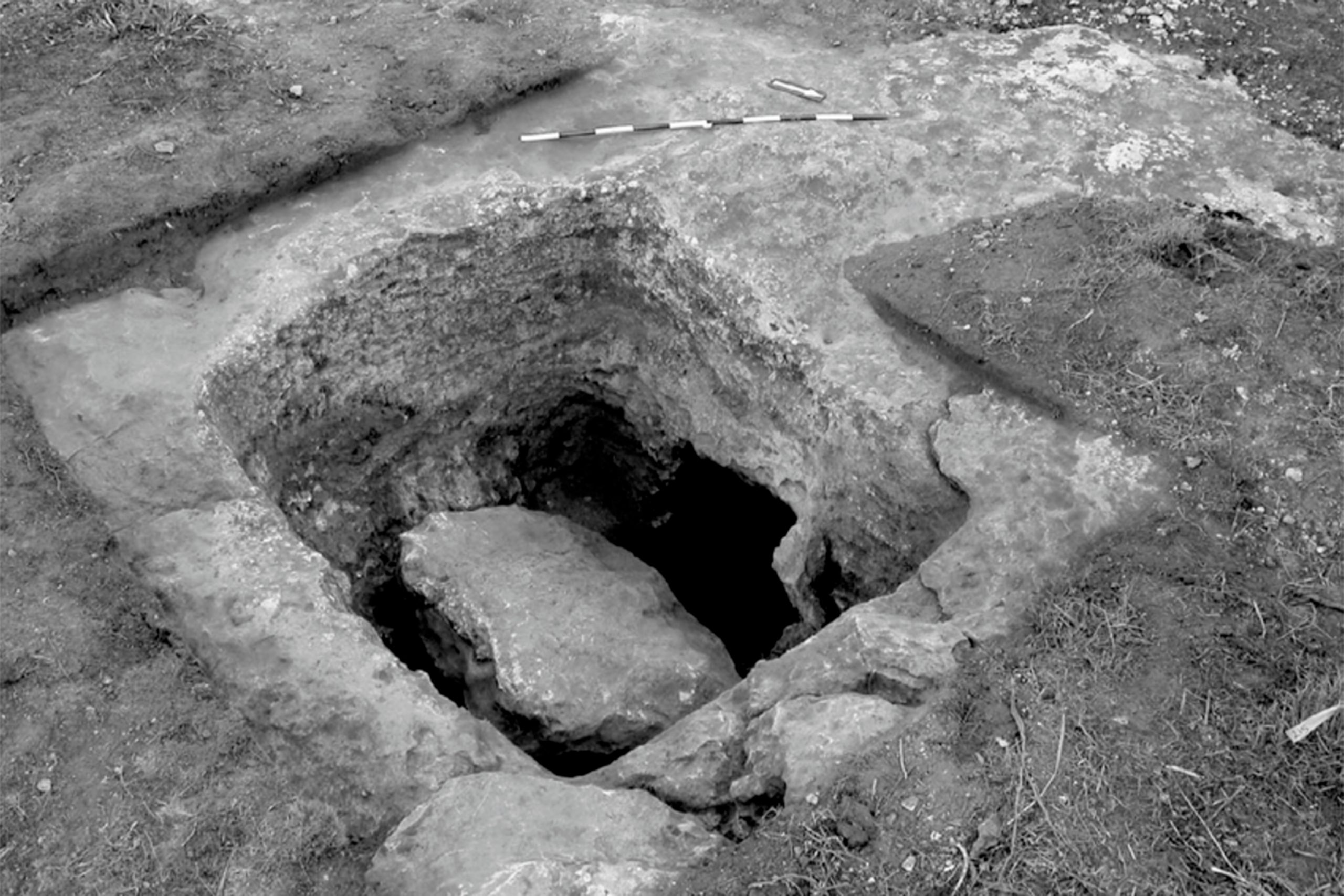
The tombs follow the standard Bronze Age design, with a dromos or entrance passage leading down to one or more roughly circular burial chambers. These chambers typically held multiple interments as families reopened tombs over generations to add new dead. Grave goods found at the site include red-polished pottery, copper tools and weapons, jewelry made from gold and precious stones, and clay figurines.
Historical Background
The people who used this cemetery lived during a critical transformation in Cypriot history. Around 2500 BCE, newcomers from Anatolia introduced new pottery styles and burial customs to Cyprus. These immigrants are identified by archaeologists as the Philia Culture, and they brought with them the knowledge to exploit Cyprus’s rich copper deposits in the Troodos Mountains.
The Early Bronze Age settlement near Deneia was part of a network of agricultural villages across Cyprus. People lived in rectangular houses with multiple rooms, grew wheat and barley using plow agriculture, and raised sheep, goats, and pigs. The copper items found in Deneia tombs prove that metalworking had reached an advanced stage, with craftspeople producing tools, weapons, and ornaments for local use and probably for trade.
By the Middle Bronze Age, between 1900 and 1650 BCE, Cyprus maintained active trade connections with Anatolia, the Levant, and Egypt. The pottery and imported luxury goods buried at Deneia reflect these relationships. Cyprus sat at a crossroads of Mediterranean cultures, and the dead were sent to the afterlife equipped with objects that demonstrated their connections to this wider world.
From Ancient Looting to Modern Science
The Department of Antiquities discovered that tomb raiders had plundered the Deneia cemetery many years before archaeological work began. Like most Bronze Age cemeteries in Cyprus, the site suffered extensive damage from people searching for gold, copper, and precious objects.
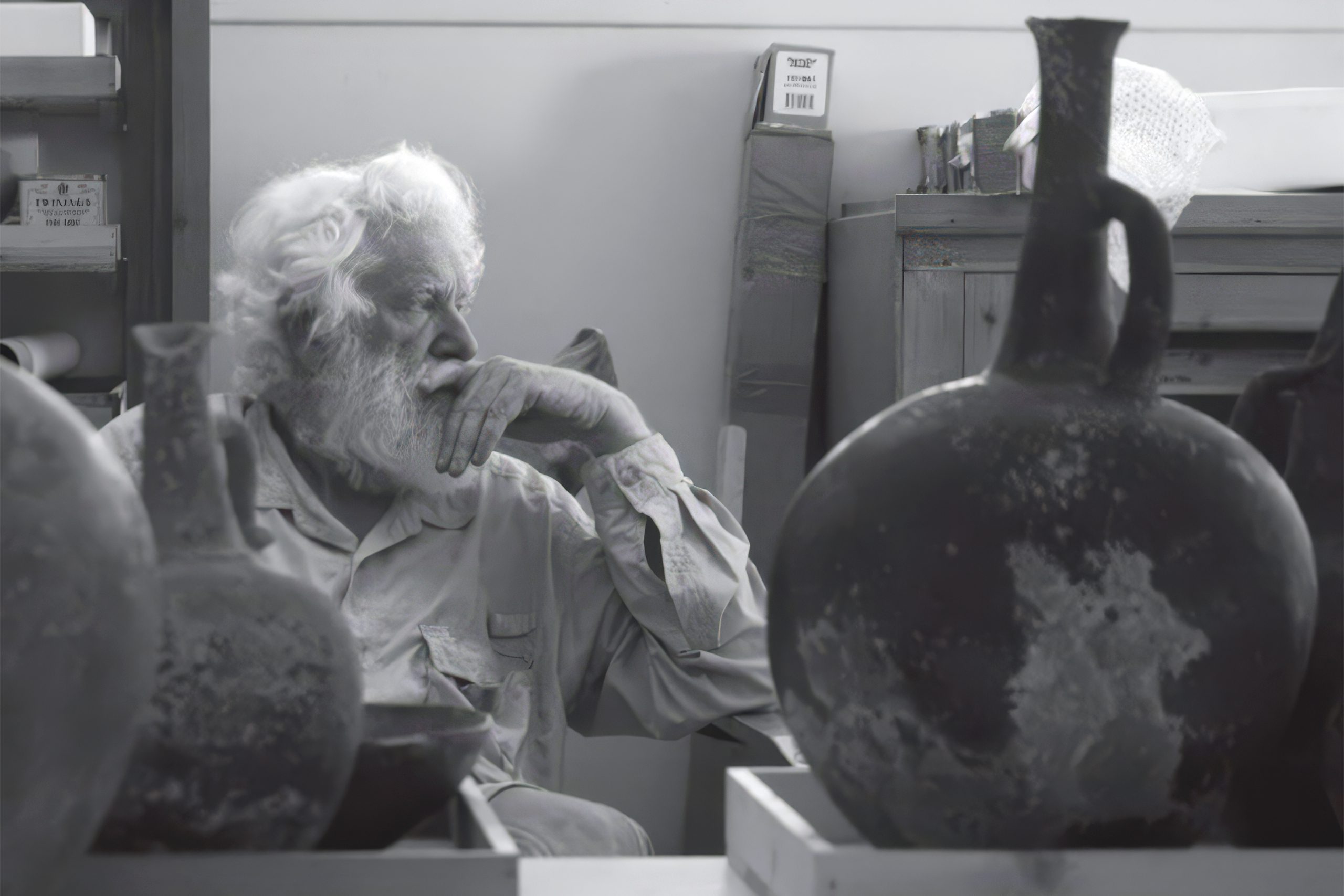
Despite the looting, systematic excavations by archaeologists David Frankel and Jennifer Webb between the 1990s and 2000s recovered crucial information. Their work documented over 1,250 tombs and established Deneia as one of the key sites for understanding Early and Middle Bronze Age Cyprus. The sheer number of burials allowed researchers to study patterns in grave goods, pottery styles, and social organization across nearly a millennium.
The excavations revealed that the population using this cemetery was substantial, with estimates ranging from 9,000 to 20,000 people over the centuries the site remained active. This figure suggests that multiple communities combined their dead here rather than maintaining separate village cemeteries.
Pottery as a Window into Daily Life
An extensive collection of Bronze Age pottery from Deneia is now available online, providing scholars with detailed information about ceramic production and trade. The pottery types found in the tombs are exuberant and imaginative in both shape and decoration, characteristic of Early and Middle Bronze Age Cyprus.
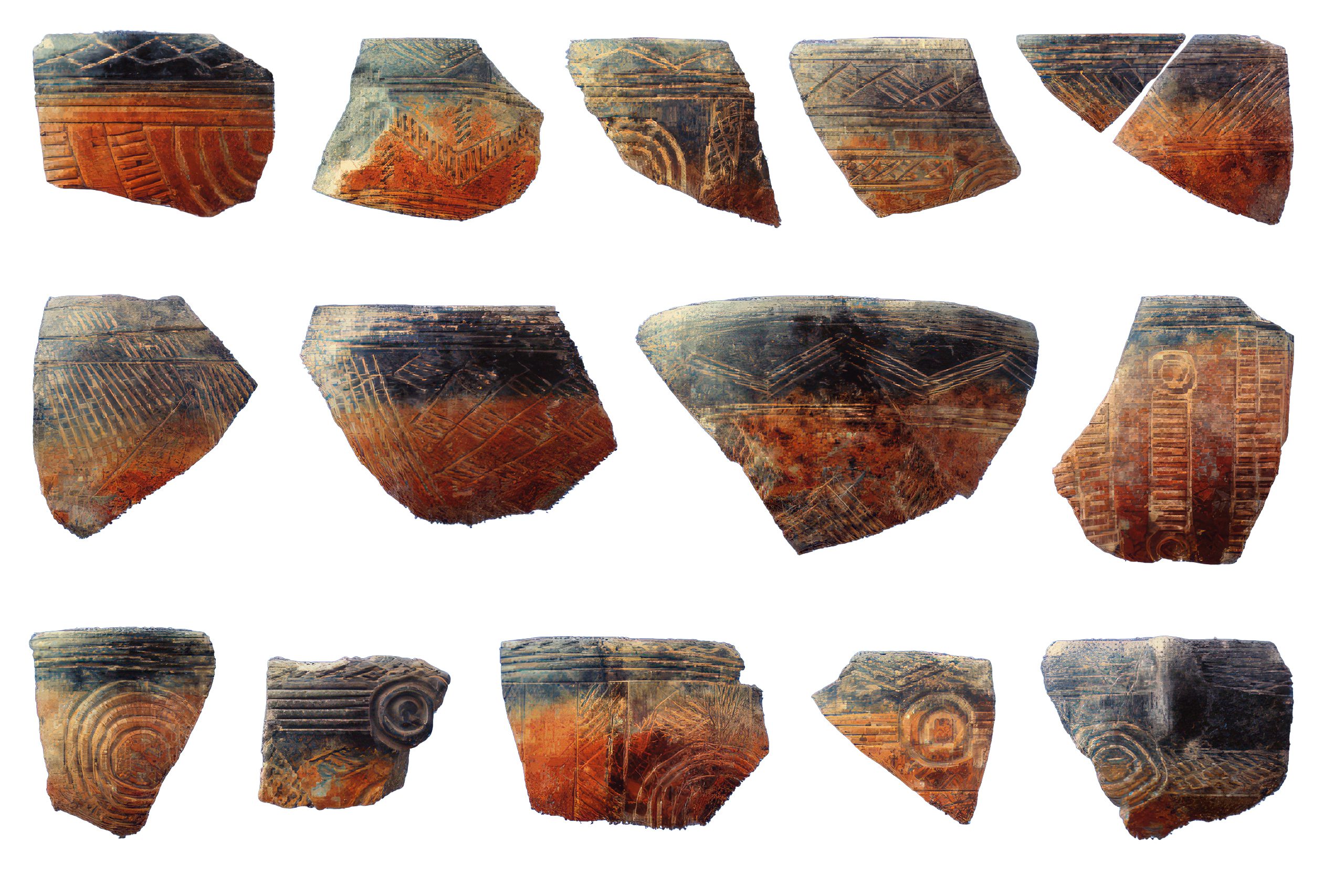
Red-polished ware dominates the assemblage. This distinctive pottery appears first at sites like Sotira and spreads across Cyprus during the Early Bronze Age. The vessels feature engraved decorative motifs and painted designs showing animals and human figures. Many pieces clearly served ritual purposes, and their presence in tombs connects the living community to religious beliefs about death and the afterlife.
Chemical analysis of pottery from Deneia using portable X-ray fluorescence has shown that many vessels were produced locally, but some were imported from other regions of Cyprus or from abroad. The mix of local and imported ceramics demonstrates both community self-sufficiency and participation in wider trade networks.
Evidence of Specialized Craft Production
Research at Deneia has revealed evidence for specialized pottery workshops serving the community. A potter’s workshop excavated near the settlement shows that ceramic production occurred at a significant scale. The workshop contained tools, raw materials, and waster sherds from failed firings, providing rare insight into how Bronze Age potters organized their work.
The ceramic industry at Deneia played an important role in crafting community identity and establishing social bonds. Pottery styles, decorative motifs, and vessel forms all communicated messages about who belonged to the community and how the dead should be honored. The thousands of vessels deposited in tombs over the centuries represent a massive investment of labor and resources in honoring ancestors.
How Bronze Age Cypriots Honored Their Dead
The shift from earlier burial practices to extramural cemeteries like Deneia marked a major change in Cypriot society. During the Neolithic period, people buried their dead beneath house floors or in spaces between buildings. The Bronze Age shift to formal burial grounds outside settlements probably reflected changing ideas about land ownership and inheritance.
As agricultural lands became permanently cultivated, burial grounds served to mark territorial claims and reinforce family inheritance rights. The tombs at Deneia were clearly family plots used over multiple generations. When a new death occurred, earlier remains were sometimes moved aside to make room, or corpses were exhumed from primary burial contexts and reinterred in collective arrangements.
The dead were equipped with remarkable arrays of vessels for drinking, pouring, and serving liquids. Many tombs also preserved animal bones from offerings of cattle, sheep, and goat. Joints and sides of beef were particularly common, suggesting funeral feasts where the living celebrated the dead before sealing the chambers. These gatherings probably served important social functions, bringing families together and reinforcing community bonds.
When Disaster Struck
Among the standard family tombs at Deneia, archaeologists discovered at least one mass grave designated as Tomb 789. These unusual burials suggest that disasters occasionally struck the community, resulting in multiple deaths that required different funeral arrangements than normal individual or family interments.
The causes of mass deaths during the Bronze Age could have included epidemics, conflicts, or accidents. Fortresses appear at various locations across Cyprus during the Middle Bronze Age, indicating periods of unrest and possibly armed conflict between communities. The mass grave at Deneia provides sobering evidence that life in prehistoric Cyprus was not always peaceful.
What People Took to the Afterlife
Grave goods at Deneia include copper tools, weapons, and ornaments that demonstrate advanced metalworking skills. The presence of gold and silver jewelry became increasingly common during the Middle Bronze Age, reflecting growing wealth and social differentiation within the community.
Spindle whorls appear frequently in Early and Middle Bronze Age tombs at Deneia and other contemporary cemeteries. These small objects were used in textile production, and their inclusion in burials suggests that spinning and weaving held symbolic importance beyond their practical function. The whorls may have marked aspects of personal, social, or group identity of the deceased.
Terracotta figurines depicting female figures were produced in fairly large numbers and placed in tombs throughout the Bronze Age. These figurines most commonly symbolized regeneration and fertility, reflecting beliefs about life, death, and rebirth. Their presence in burial contexts connects the dead to broader religious and cosmological ideas.
From Bronze Age to Modern Village
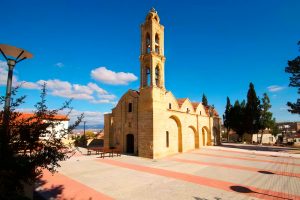
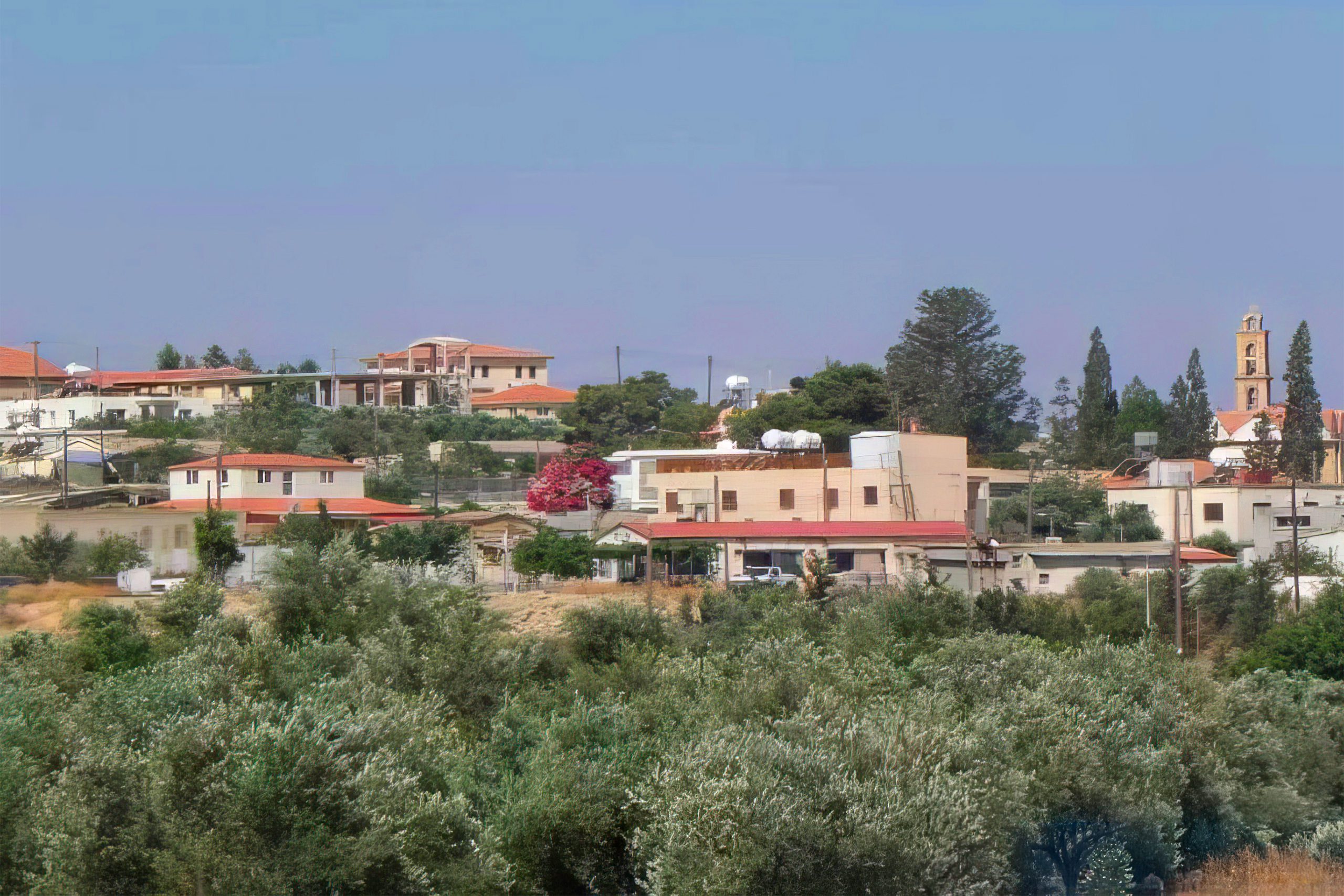
The modern village of Deneia sits in the Nicosia district, west of Mammari, with a current population of about 370 residents. The village does not appear in records from the Frankish period, and there is a gap of thousands of years between the Bronze Age settlement and modern habitation.
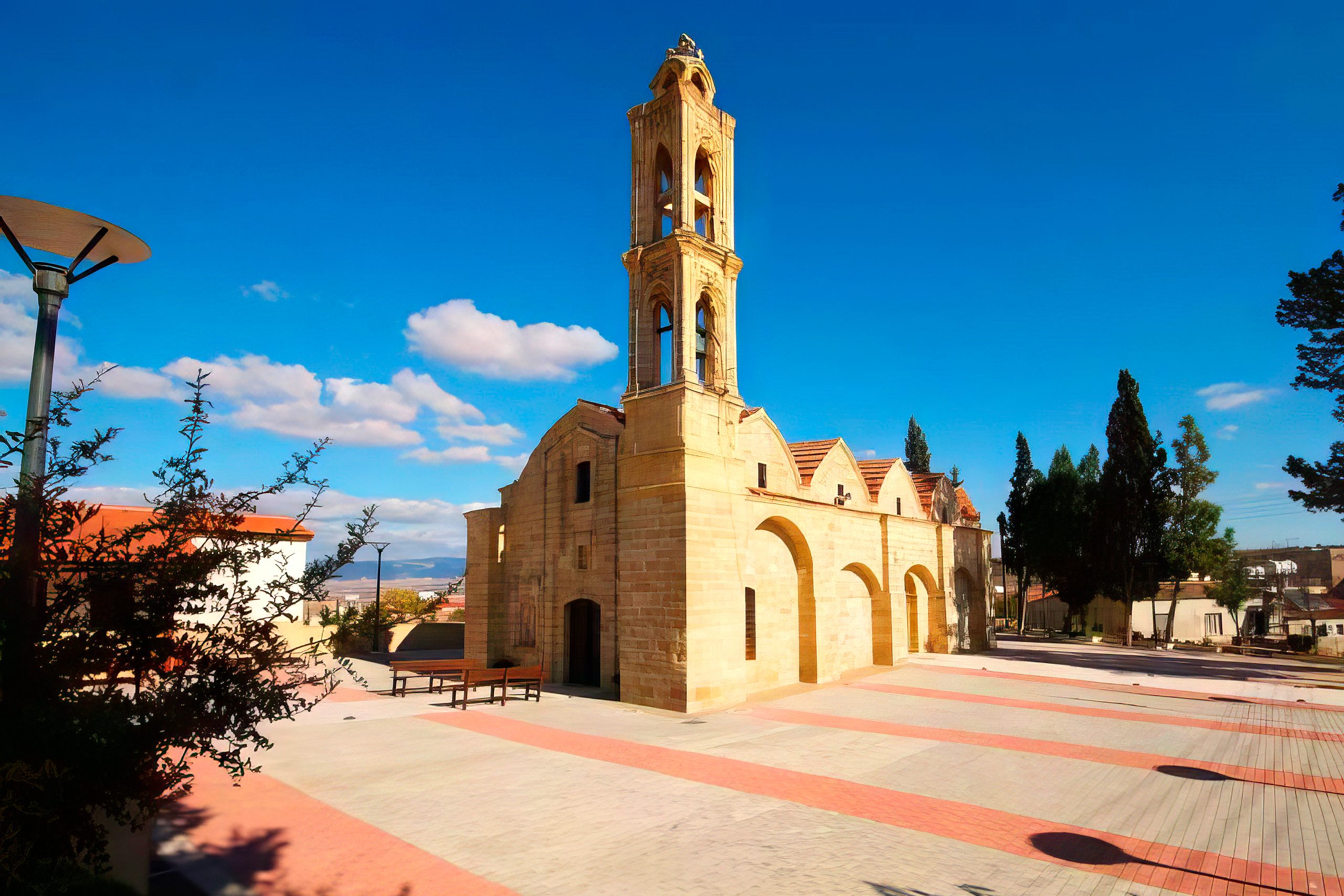
Medieval maps show villages named Degri or Degra in this general area, but scholars cannot connect these names with certainty to the present location. The village appears on maps from the late 19th century, when it had about 200 residents engaged in agriculture and animal husbandry.
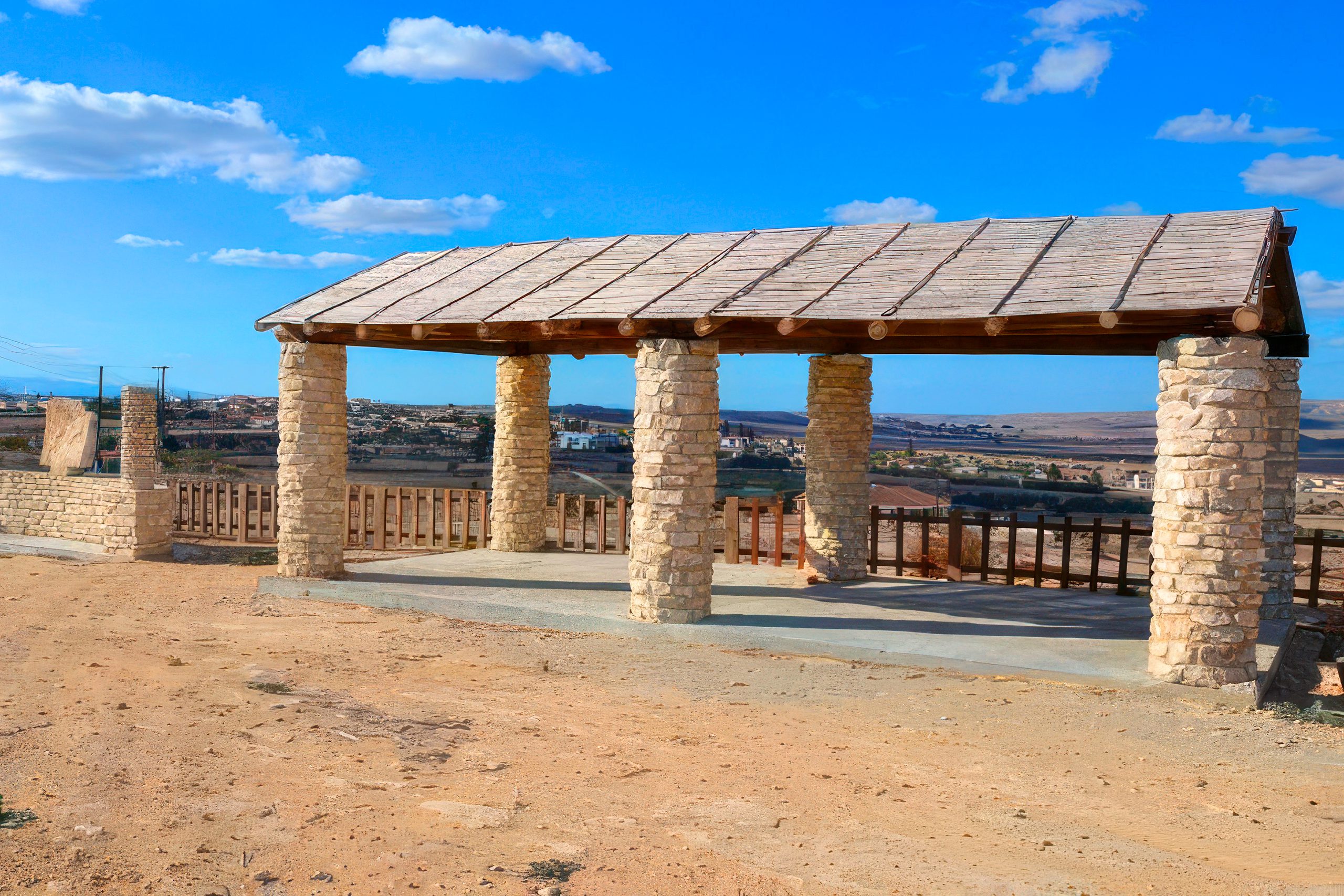
Today, villagers work in dry cultivation and stock breeding, particularly poultry, while many commute daily to jobs in Nicosia. The Bronze Age cemetery lies just southeast of the modern village, a reminder of ancient communities who farmed these same lands and buried their dead in rock-cut tombs over 4,000 years ago.
Why Deneia Matters to Cyprus
The Deneia necropolis matters because it preserves evidence of how Bronze Age communities organized themselves, honored their dead, and participated in Mediterranean trade networks during a formative period in Cypriot history. The 1,250 tombs document social practices, religious beliefs, and economic relationships across nearly a millennium.
The cemetery challenges outdated views of Bronze Age Cyprus as isolated and egalitarian. Instead, Deneia reveals complex communities that crafted distinctive identities through pottery production, maintained trade connections across the Mediterranean, and developed forms of social differentiation that would eventually lead to the urban centers and kingdoms of the Late Bronze Age.
When we study the pottery, copper tools, and gold jewelry from these ancient graves, we connect with people who lived, worked, loved, and died on this island thousands of years ago. They left behind not just bones and bronze but evidence of a sophisticated society that laid foundations for the Cyprus we know today. Their cemetery at Deneia stands as a monument to their beliefs, their achievements, and their place in the long story of Mediterranean civilization.