Natural Resources and Mythological Meaning
In the ancient Mediterranean world, natural resources were rarely understood as mere economic assets; they were seen as signs of divine favor and expressions of cosmic order. Cyprus, renowned for its abundant copper deposits, became a central example of how material wealth could shape sacred identity. The island’s mineral resources played a decisive role in its early development, supporting trade, craftsmanship, and social organization. Over time, the prominence of copper in Cypriot life encouraged mythological interpretations that linked the island’s prosperity to divine blessing. The belief that valuable materials came from the generosity of the gods helped transform Cyprus into a land associated with sacred abundance.
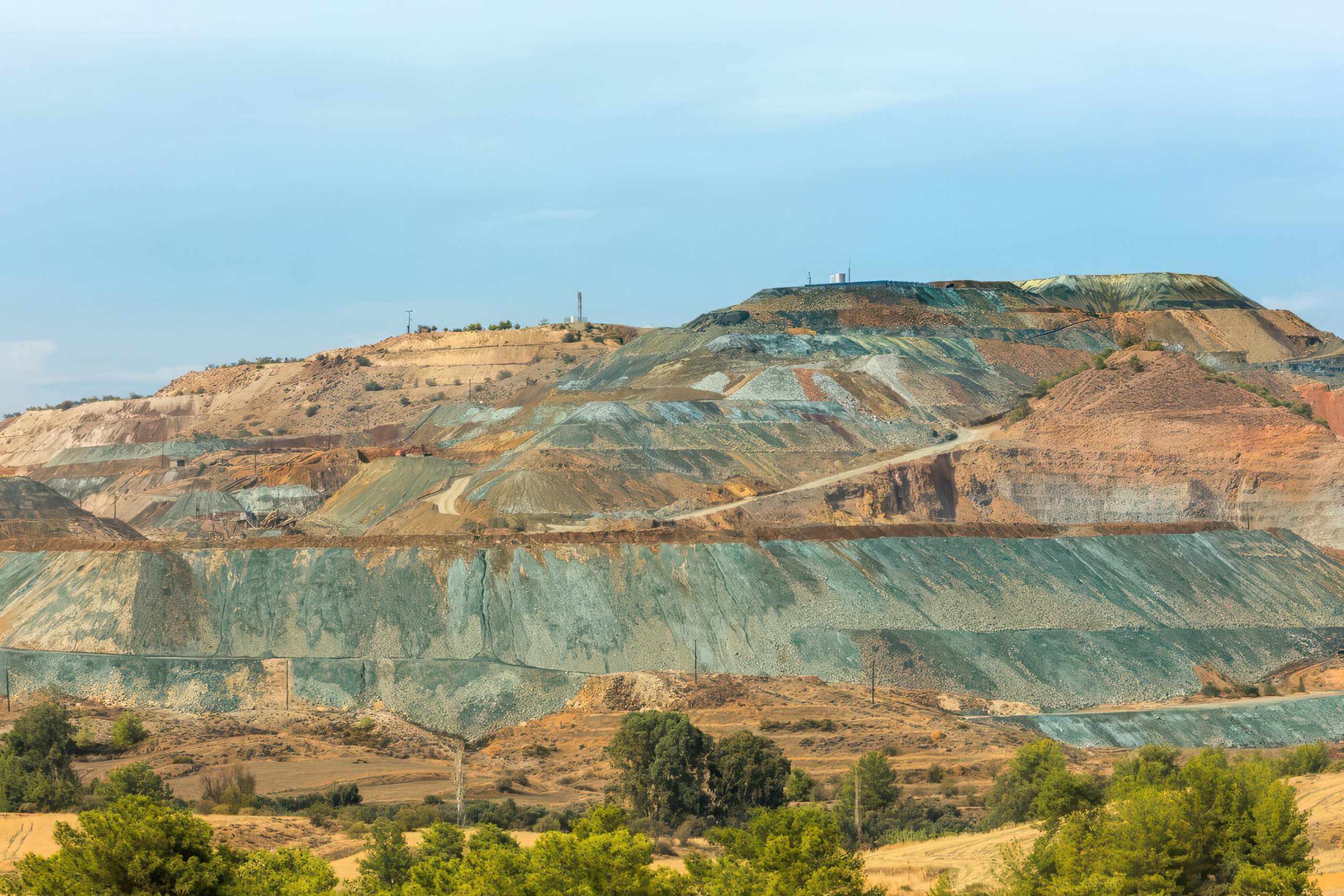
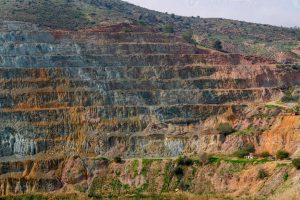
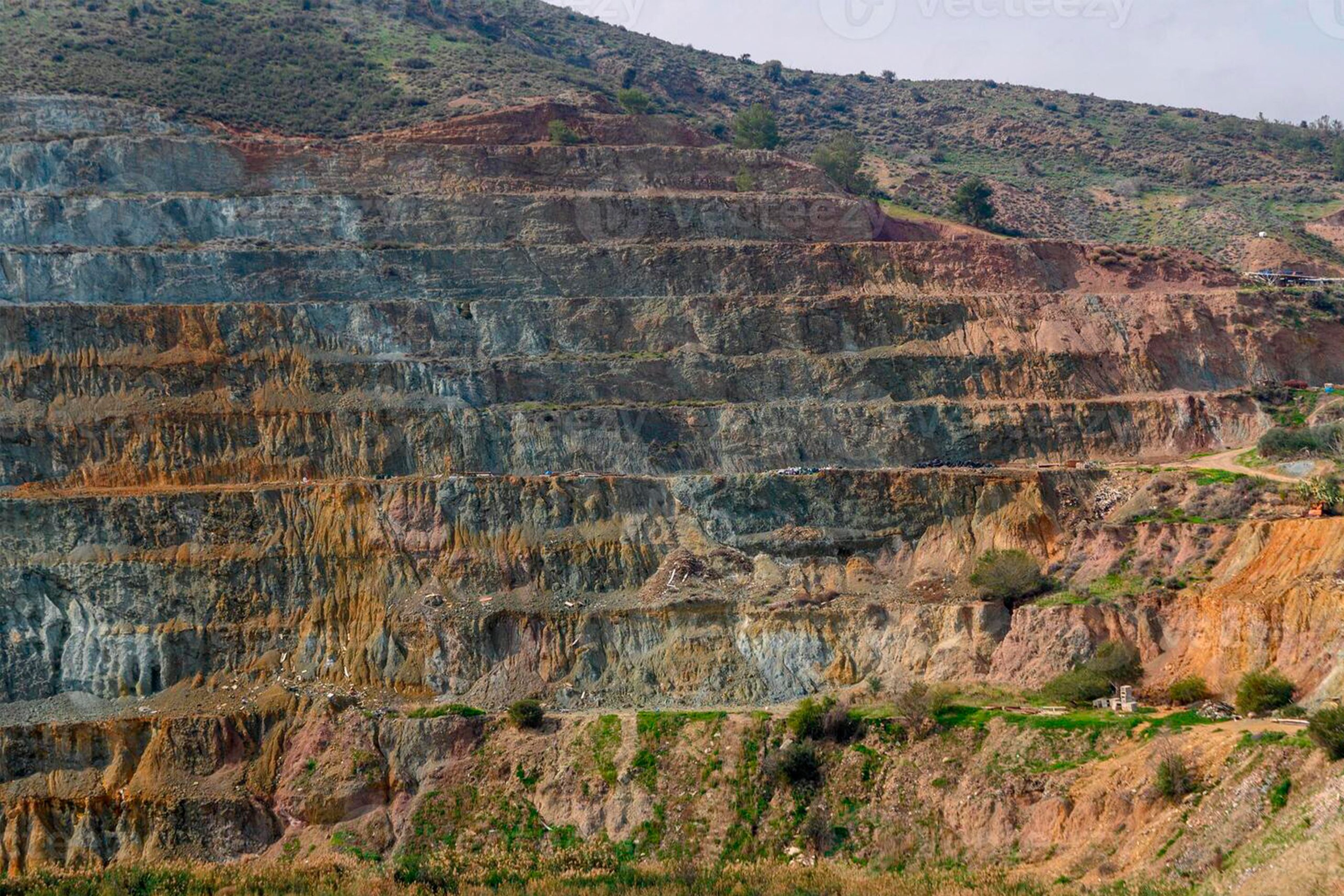
Copper mining on the island dates back to the Bronze Age, when the metal became essential for the production of tools, weapons, and ritual objects. Because survival and success depended on access to such materials, the communities that controlled copper sources gained economic and political influence. Yet in the symbolic imagination of the time, prosperity on this scale required explanation beyond human effort. Myths emerged that connected mineral wealth to divine presence, reinforcing the idea that Cyprus was specially favored in the cosmic order.
Copper as a Sacred Material
Metals in antiquity often carried symbolic meaning, and copper was no exception. Its reddish color and malleability associated it with transformation and vitality. When combined with tin to produce bronze, copper enabled technological advances that reshaped warfare, agriculture, and art. These transformative properties encouraged symbolic associations between metal and divine power. In ritual contexts, metal objects were offered to deities or used in sacred ceremonies, reinforcing their spiritual significance.
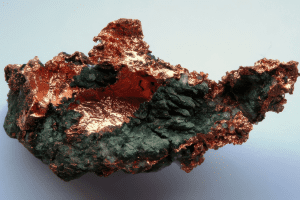
On Cyprus, where copper was a defining resource, the metal became part of the island’s identity. Mining and smelting were complex processes that required knowledge, skill, and communal cooperation. Such activities could be interpreted as participation in a sacred cycle, extracting hidden wealth from the earth and shaping it into objects that served both practical and ritual functions. The link between craftsmanship and spirituality reflects an ancient worldview in which technical skill was inseparable from religious meaning.
Divine Favor and Prosperity
The scale of Cyprus’s copper production positioned the island at the center of Mediterranean trade networks. Ships carried Cypriot copper to distant regions, spreading both material goods and the island’s reputation. In mythological thinking, sustained prosperity was rarely accidental. The success of Cyprus in commerce and metallurgy suggested to ancient observers that the island enjoyed the protection or patronage of powerful gods. Prosperity was interpreted as a visible sign of divine approval.
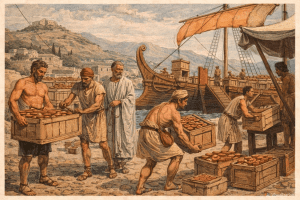
This belief contributed to the island’s broader sacred reputation. Cyprus was already associated with Aphrodite and other deities, and the presence of valuable natural resources reinforced the perception that the land itself was blessed. The integration of economic strength with religious symbolism demonstrates how material reality and mythological narrative supported one another in shaping cultural identity.
Copper and the Cult of Aphrodite
The association between copper and Aphrodite further deepened the island’s divine identity. The goddess, whose primary cult centers were located in Cyprus, was linked not only to love and beauty but also to generative and creative forces. Copper, used in the production of ornaments, mirrors, and decorative objects, became symbolically tied to beauty and adornment, aspects central to Aphrodite’s domain. The material thus acquired an additional layer of meaning as part of the goddess’s cultural sphere.
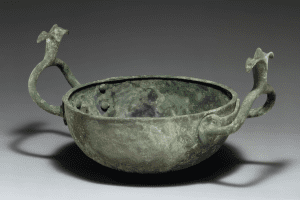
In this context, the island’s mineral wealth could be seen as a manifestation of Aphrodite’s blessing. The prosperity derived from copper mining supported the maintenance of sanctuaries and festivals, reinforcing the connection between economic resources and religious devotion. The cycle of extraction, trade, and offering created a feedback loop in which divine favor and human activity were perceived as mutually reinforcing.
Craftsmanship, Technology, and Sacred Skill
The production of copper and bronze required advanced technical knowledge, from mining and smelting to casting and finishing. In many ancient cultures, such specialized skills were attributed to divine inspiration or protection. Craftsmen were sometimes seen as possessing sacred knowledge, able to transform raw material into objects of beauty and power. On Cyprus, where metallurgy was central to society, this perception contributed to the island’s identity as a place of both technical and spiritual significance.
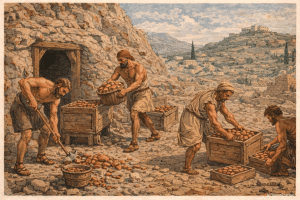
Mythological narratives often include culture heroes or divine figures associated with craft and invention. While Cyprus’s myths focus more on deities like Aphrodite, the importance of copper suggests that the island’s sacred identity also encompassed the transformative power of human skill. The ability to shape metal from stone symbolized humanity’s participation in divine creativity.
Cultural Exchange and Mythic Reputation
Cyprus’s copper trade connected it with civilizations across the Mediterranean, including Egypt, the Levant, and the Aegean world. These interactions facilitated not only economic exchange but also the sharing of religious ideas. As foreign merchants encountered the island’s wealth and sanctuaries, they integrated Cyprus into their own mythological frameworks. The reputation of Cyprus as a land of divine favor spread alongside its metal exports.
This diffusion of mythic identity demonstrates how economic prominence could influence cultural imagination. The island’s role in supplying essential resources elevated its symbolic status, making it a focal point in stories that explained prosperity through divine agency.
Archaeological Evidence and Historical Reality
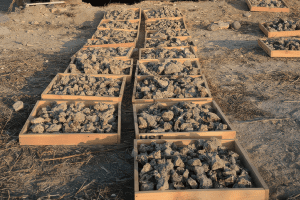
Archaeological remains of ancient mines, slag heaps, and metallurgical workshops provide concrete evidence of the scale of copper production in Cyprus. These sites confirm the island’s central role in Bronze Age and later trade networks. The material record supports the idea that copper shaped social organization, settlement patterns, and external relations.
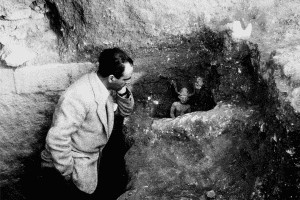
While mythological interpretations framed this wealth as divine blessing, the archaeological evidence reveals the human labor and innovation behind it. Together, these perspectives illustrate how economic reality and sacred narrative coexist, each providing insight into how ancient societies understood their world.
Enduring Symbolism
The legacy of copper remains embedded in Cyprus’s historical identity. Even today, the island’s association with the metal survives in language and cultural memory. The mythological connection between copper wealth and divine favor reflects an enduring theme in human history: the tendency to interpret natural abundance as a sign of spiritual significance.
Conclusion
Cypriot copper shaped not only the island’s economy but also its sacred identity in the ancient Mediterranean world. The abundance of this transformative metal encouraged mythological interpretations that linked prosperity to divine favor, reinforcing Cyprus’s reputation as a blessed land. Through associations with Aphrodite, craftsmanship, and trade networks, copper became a symbol of the island’s integration of material wealth and spiritual meaning. The enduring legacy of these beliefs demonstrates how natural resources can influence cultural identity and religious imagination across centuries.