Cyprus developed a creative tradition deeply rooted in its mythology and folklore. The island’s legends about gods, heroes, and supernatural beings became foundational material for artists, poets, and writers across centuries.
These stories provided themes, characters, and symbolic frameworks that shaped Cypriot cultural identity through artistic expression. From ancient pottery depicting Aphrodite to modern novels exploring Byzantine legends, mythology remained a constant source of creative inspiration on the island.
Historical Context
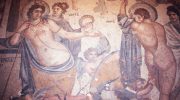
The artistic interpretation of Cypriot legends traces back to the ancient period when Cyprus served as a major center of Aphrodite worship. Artists created countless sculptures, mosaics, and pottery showing the goddess of love, often emphasizing her connection to the island’s natural beauty. The Romans continued this tradition with elaborate mosaics in villas that depicted mythological scenes. Byzantine artists shifted focus toward religious themes but incorporated earlier pagan elements into Christian art, creating a unique synthesis visible in church frescoes and icons.
The medieval period brought the epic of Digenis Akritas, written in vernacular Greek during the 12th century. This Byzantine romantic epic about a half-Arab, half-Byzantine warrior defending the empire’s borders became the starting point of modern Greek literature. The poem’s 3,000 to 4,000 lines combined historical events with supernatural feats.
Cyprus played a crucial role in preserving and transmitting this epic through oral tradition. Folk songs celebrating Digenis spread throughout Crete, Cyprus, and Asia Minor, with Cypriot versions emphasizing his role as island protector. Local legends claimed Digenis grabbed the Pentadaktylos mountain range to leap to Anatolia, leaving his handprint visible in the Five Finger peaks.
Visual arts influenced by mythology
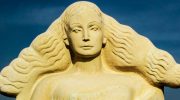
Ancient Cypriot artists specialized in depicting Aphrodite and her myths. The goddess appeared on coins, in temple sculptures, and on household pottery. Artists explored themes of love, beauty, and desire through her image, making Cyprus internationally recognized for Aphrodite worship. The Pygmalion myth, set in Paphos, inspired countless artistic interpretations. Pygmalion’s transformation of an ivory statue into a living woman through devotion to Aphrodite symbolized the connection between artist and creation, a theme that resonated through centuries of Cypriot art.
Medieval and Byzantine periods produced religious art incorporating mythological symbolism. Church frescoes often used pagan motifs reinterpreted through Christian theology. The tradition continued into Ottoman rule, when traditional crafts maintained mythological designs in textiles, embroidery, and pottery. Contemporary Cypriot artists like Stassia Koutouzi create paintings evoking Aphrodite’s spirit through modern techniques combined with ancient themes. Stass Paraskos, who wrote extensively about Cyprus mythology, also produced sculptures and paintings exploring the island’s pagan heritage. His sculpture garden at Lempa near Paphos displays works inspired by mythological narratives.

Artist Hambis won the Europa Nostra European Heritage award for work documenting myths and fairytales unique to Cyprus. His prints illustrated five volumes of folktales published by the Cypriot Centre of Scientific Research, bringing traditional stories to visual life. These efforts preserved indigenous folklore while making it accessible to new generations through visual art.
Literary traditions built on legends
Medieval chronicles by Leontios Machairas and Georgios Boustronios covered Cypriot history through the Frankish period, blending historical fact with legendary elements. Medieval love poems in Greek Cypriot drew inspiration from mythological themes of passion and betrayal. The 16th century saw translations and adaptations of Italian poetry incorporating local mythological references.
Modern Cypriot literature continued drawing from mythology and folklore. Costas Montis, described by Cyprus Minister of Education and Culture as the leading living Greek poet, extensively incorporated mythological elements and cultural identity themes throughout his career spanning 60 years. His collections including “Moments,” “From Beloved Cyprus,” and “Cyprus Figurines” explored Cypriot identity through both immediate verse and prose. His novel “Master Batistas and the Others” examined Cypriot life while drawing on cultural traditions. Montis received the Government of Cyprus Award for Excellence in Letters and the Arts in 1995.
Kyriakos Charalambides, another prominent Cypriot poet, used mythological imagery to express personal and collective experiences. Contemporary writers continue incorporating folklore elements, creating narratives that bridge ancient stories with modern concerns. The oral storytelling tradition remained strong, with elders passing legends to younger generations, ensuring cultural continuity.
Interesting facts about mythological influence
The story of King Kinyras demonstrates how legends merged artistic creation with mythology. Kinyras ruled Cyprus in Greek mythology and gained fame as creator of art and musical instruments. His legendary beauty and connection to Aphrodite through his daughter Myrrh made him symbolic of Cyprus artistic heritage. The tradition of attributing artistic excellence to mythological figures reinforced the island’s identity as center of beauty and creativity.
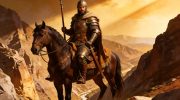
The Enchanted Forest legend from Troodos Mountains inspired local artists, musicians, and writers. This tale of a magical forest inhabited by fairies became prominent in theatrical performances and paintings, showcasing how folklore remained relevant in contemporary culture. The legend embodied magical elements while reflecting environmental concerns about preserving Cyprus natural landscapes.
Digenis Akritas influenced modern Greek folk music extensively. Traditional songs about the hero remain popular in Cyprus, performed and adapted into modern interpretations. The epic’s themes of defending homeland against invaders resonated during Cyprus periods of foreign rule and conflict, making Digenis a symbol of resistance and cultural preservation.
The preservation of Cypriot dialect through folklore literature became culturally significant. Original folktales told only in Cyprus carried phrases and expressions documenting linguistic heritage. Modern efforts to record these stories in dialect help preserve language endangered by standard Greek replacement.
Experiencing legend influenced art today
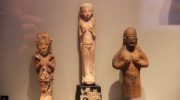
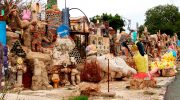
Museums in Nicosia, Limassol, and Paphos display ancient artifacts showing mythological themes. The Cyprus Museum houses extensive collections of pottery, sculptures, and coins depicting Aphrodite and other mythological figures. Archaeological sites like Paphos preserve mosaics showing detailed mythological scenes from Roman periods. The sculpture garden at Lempa offers modern interpretations of Cyprus mythology through Stass Paraskos works. Cultural centers across the island host exhibitions of contemporary art inspired by folklore and mythology.
Theatrical performances regularly feature mythological adaptations. Traditional festivals include storytelling sessions where elders share legends, maintaining oral tradition. Libraries and cultural organizations offer collections of Cypriot literature, including works by Costas Montis and other writers who incorporated mythological themes. Poetry readings and literary events celebrate the ongoing influence of mythology on creative expression.
Visitors can attend folk music performances featuring songs about Digenis Akritas and other legendary figures. Traditional craft workshops demonstrate techniques passed through generations, often incorporating mythological motifs in designs. The experience combines education about cultural heritage with appreciation for how ancient stories continue inspiring modern creativity.
The enduring legacy of mythology in Cyprus
Legends shaped Cypriot artistic identity in fundamental ways, providing continuity between ancient and modern culture. They offered frameworks for understanding human experiences, moral lessons, and connections to place. The stories preserved during foreign occupations and political upheavals maintained cultural identity when political sovereignty proved fragile. Artists, writers, and musicians used mythology to assert Cypriot distinctiveness, demonstrating the island possessed unique heritage beyond being an extension of Greece or Turkey.
The creative expressions inspired by legends serve educational and social functions. They teach values, explain natural phenomena through narrative, and provide shared cultural reference points that unify communities. Contemporary adaptations keep traditions relevant, allowing new generations to engage with heritage through familiar artistic forms. The ongoing influence demonstrates how mythology remains living tradition rather than historical artifact, continuing to inspire creativity and shape cultural expression across Cyprus.