Early mornings in Cyprus follow a rhythm different from most European countries. Cypriots start their days before sunrise, particularly during summer when temperatures soar past 35 degrees Celsius by midday.

This early start is practical rather than cultural preference. Most work begins between 7:00 and 8:00 AM, allowing people to complete tasks before the peak heat sets in. Shops, offices, and construction sites all operate on this schedule.
The morning routine includes stopping at local bakeries for fresh bread, visiting coffee shops for social conversation, and completing essential errands before the afternoon slowdown. This pattern shapes family schedules, business hours, and social interactions across the island.
The Historical Reasons Behind Early Rising
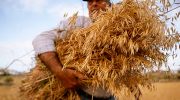
Cyprus’s early morning culture developed from agricultural necessity over centuries. Farmers needed to tend crops, feed animals, and work fields before extreme heat made physical labor dangerous. The tradition continued even as Cyprus modernized and shifted from agriculture to tourism and services.
The siesta system reinforced early mornings by creating afternoon breaks between 1:00 PM and 4:00 PM when businesses close. Workers compensate for this midday pause by starting earlier and sometimes working later into the evening. The climate remains the driving force, with summer temperatures in Nicosia regularly exceeding 40 degrees Celsius and coastal areas reaching 34 degrees Celsius. Working during cooler morning hours simply makes practical sense.
Coffee Shop Culture and Morning Rituals
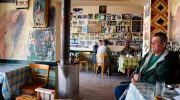
Coffee shops, called kafenio in Greek, serve as morning social centers. Men traditionally gather at these establishments as early as 6:00 AM, though modern cafes now welcome everyone. Cypriot coffee is strong, thick, and served unfiltered in tiny cups. The coffee is made in a small pot called a briki by boiling finely ground coffee with water and sometimes sugar. Grounds settle at the bottom of the cup, and drinking too quickly means a mouthful of sediment. The coffee comes in three varieties: sketo without sugar, metrio with one teaspoon of sugar, and glyki with two teaspoons.
Summer brings cold coffee dominance. Frappe, made from instant coffee shaken with cold water and ice, appears everywhere. Freddo espresso and freddo cappuccino offer fancier alternatives using real espresso blended with ice. Cypriots consume these cold coffees throughout the day, particularly during the scorching months of July and August. An interesting tradition involves reading coffee grounds after finishing. The drinker turns the cup upside down on the saucer and waits. Locals then interpret patterns in the dried grounds to predict the future, a practice with Ottoman roots.

The coffee itself costs approximately one euro in traditional shops. Morning conversations cover politics, sports, family news, and daily concerns. These gatherings strengthen community bonds and maintain social networks essential to Cypriot life. Business deals, job opportunities, and important information often circulate through morning coffee meetings rather than formal channels.
Bakery Visits and Fresh Bread Tradition
Bakeries, known as fournos, open before dawn to prepare fresh bread. Cypriots prefer bread baked in wood-fired ovens for authentic taste. The most popular morning bread is koulouri, a circular bread covered with sesame seeds. During Easter, bakeries produce flaounes, traditional bread made from sesame seeds, semolina, butter, plain flour, and eggs. These can be paired with Cypriot cheeses or meats for breakfast.

Other bakery staples include bougatsa, a sweet phyllo pastry filled with custard cream and dusted with powdered sugar and cinnamon. The recipe came to Cyprus through refugees from Asia Minor in the early 20th century. The name derives from the Turkish word pogaca, meaning pie or pastry. Tahinopitta, a sweet pie made with tahini paste and carob syrup, appears especially during fasting periods. Kolokoti features pumpkin and bulgur filling wrapped in pastry.

Bakery visits happen before work, with families stopping to collect fresh bread for breakfast. The ritual involves selecting bread, exchanging greetings with the baker, and often chatting briefly about the day ahead. This daily interaction reinforces neighborhood connections and maintains the personal relationships valued in Cypriot society.
Traditional Breakfast Components
The traditional Cypriot breakfast includes several key elements. Fresh bread serves as the foundation, accompanied by halloumi cheese either grilled or straight from the brine. Halloumi is Cyprus’s most famous cheese, made from sheep and goat milk with a high melting point that allows grilling. Anari, a softer ricotta-style cheese made from whey, provides a milder alternative. Hard-boiled or fried eggs appear regularly, cooked according to personal preference.

Lountza, a pork tenderloin marinated in red wine and spices, can be served grilled or cold. Loukaniko, a spicy village sausage cured similarly to lountza, acquires its distinct taste from red wine and coriander. Fresh vegetables including tomatoes and cucumbers accompany the meal. Homemade jams made from figs, oranges, or other seasonal fruits sweeten fresh bread. Freshly squeezed orange juice serves as the preferred beverage alongside coffee.
The Cyprus Breakfast program, supported by the Deputy Ministry of Tourism, promotes traditional morning meals at participating hotels and restaurants. These establishments display official logos and serve dishes made from fresh local ingredients using traditional recipes. The program aims to preserve culinary heritage while introducing visitors to authentic Cypriot food culture.
How Work Schedules Adapt to Morning Priority
Businesses operate on schedules accommodating early starts and afternoon breaks. Government offices typically work 7:30 AM to 2:30 PM during summer months and 8:00 AM to 3:00 PM in winter. Private sector hours vary but generally follow 7:00 or 8:00 AM starts. Construction workers begin at 6:00 AM, especially during summer when working past noon becomes physically demanding. Shops open between 8:00 and 9:00 AM, close for siesta from 1:00 to 4:00 PM, then reopen until 7:00 or 8:00 PM.

This schedule affects family life significantly. Parents drop children at school around 7:30 AM, as classes start early. After-school activities happen in late afternoon or evening after the siesta period. Dinner is typically served late, between 8:00 and 10:00 PM, following the evening reopening of businesses and completion of work. The pattern creates a rhythm where mornings handle productive work, afternoons allow rest during peak heat, and evenings focus on family and social activities.

Traffic patterns reflect this schedule, with morning rush hour occurring between 6:30 and 8:30 AM. Roads become congested as everyone commutes simultaneously to beat the heat. The afternoon siesta empties streets, creating a ghost town atmosphere in urban centers between 1:00 and 4:00 PM.
Morning Market Shopping and Food Selection
Local markets open at sunrise, selling fresh produce, fish, and meats. Vendors set up stalls before customers arrive, displaying seasonal fruits, vegetables, and herbs. These markets operate until noon, closing before afternoon heat spoils perishable goods. Shoppers arrive early to select the best quality items and complete purchases before work.

The markets reinforce connections between rural producers and urban consumers. Many vendors come from villages in the Troodos Mountains or agricultural areas around Paphos and Limassol. They bring products harvested the previous day or that morning. Customers develop relationships with specific vendors, trusting their quality and receiving preferential treatment. Bargaining rarely occurs, as prices remain fairly standardized and relationships matter more than small savings.
Modern supermarkets also cater to morning shoppers, opening at 7:00 or 8:00 AM. However, many Cypriots prefer market shopping for fresh products despite the convenience of supermarkets. This preference maintains traditional food systems and supports local agriculture.
The Lasting Impact of Early Mornings in Cyprus
Early morning routines define Cypriot daily life despite modernization and technological changes. The climate dictates this pattern, making early starts practical necessity rather than lifestyle choice. Cultural values around family, community, and tradition reinforce these habits across generations. Coffee shops, bakeries, and markets depend economically on morning business, creating systems that support continuation. The siesta system requires early morning productivity to compensate for afternoon closures. These interconnected factors ensure morning routines remain central to Cypriot identity and practical function, distinguishing the island from other Mediterranean destinations with different daily rhythms.