Explore Cyprus with Our Interactive Map

Explore our top stories and discover ideas worth your time.

Cyprus Terracotta Roof Villages

Cyprus Terracotta Roof Villages

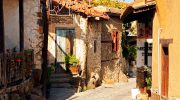
Terracotta roof tiles and enclosed courtyards define the visual character of traditional Cyprus villages, creating architectural patterns that have endured for centuries. The distinctive orange-brown curved clay tiles, fired in local kilns and arranged in overlapping rows, crown limestone buildings throughout mountain villages from Kakopetria to Fikardou. These tiles provide practical weatherproofing while establishing the Mediterranean aesthetic now protected under UNESCO cultural heritage guidelines. The courtyard system, enclosed by high stone walls with heavy wooden gates, served as the functional heart of village life where families conducted agricultural work, food processing, textile production, and social gatherings away from public view. The combination of terracotta roofs and walled courtyards reflects adaptation to Cyprus's climate, available materials, social customs, and economic activities spanning centuries of continuous habitation. Historical Background Clay roof tiles were invented in Greece during the 7th century BC, revolutionizing building technology across the Mediterranean. Before this innovation, structures used thatch, brush, or wooden shingles that deteriorated quickly and posed fire hazards. Interlocking terracotta tiles provided waterproof, fireproof roofing that dramatically extended building lifespans. The Greek Laconian style, featuring curved pan tiles and flat cover tiles, spread throughout the ancient world and survives essentially unchanged in what modern builders call Spanish or Mediterranean roofing. Archaeological evidence confirms terracotta roof tiles reached Cyprus during the Archaic period around 600 BC. The…

Read more

Hadji Georgakis Kornesios Mansion in Cyprus

Hadji Georgakis Kornesios Mansion in Cyprus

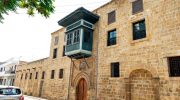
The Hadjigeorgakis Kornesios Mansion stands in Nicosia's old Saint Antonios quarter as the finest surviving example of 18th century Ottoman urban architecture in Cyprus. Built in 1793, this two story residence once belonged to the island's most powerful dragoman and now serves as the Cyprus Ethnological Museum, winner of the 1988 Europa Nostra award for cultural heritage restoration. The dragoman served as the official interpreter between the Ottoman Sultan's Divan and the local Greek Cypriot population. This position emerged at the start of Ottoman rule in Cyprus in 1571 and continued until the Greek War of Independence in 1821. The dragoman acted as a liaison between the pasha and the occupied population. In the early years of Ottoman rule, dragomans were foreigners or Greek Franks. Later, the Ottomans appointed Orthodox Greek Cypriots to the position. The office required mastery of both Greek and Turkish languages and went only to highly educated individuals.  Historical Background Hadjigeorgakis Kornesios came from Kritou Terra, a village in the Paphos district of western Cyprus. He served as dragoman of Cyprus from 1779 to 1809, a period of 30 years that made him the longest serving and most prominent holder of this office. Around 1796, Sultan Selim III issued a special edict granting Kornesios the title of lifelong Dragoman of Cyprus, an unusual distinction that reflected…

Read more
Cyprus Pine Forest Villages

Cyprus Pine Forest Villages

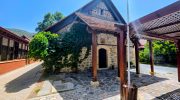
Pine forest villages in the Troodos Mountains showcase traditional Cypriot architecture where stone houses with wooden balconies cling to mountainsides at elevations between 600 and 1,200 meters. These settlements developed amid orchards, vineyards, and dense pine forests that provide cool escape from coastal summer heat. Kakopetria, Platres, and Pedoulas represent the most prominent examples, with stone-built structures featuring sloping terracotta tile roofs, wooden shutters, and cobbled streets preserved as protected cultural heritage. The architecture responds to mountain conditions including snow, rainfall, and steep terrain uncommon in lowland Cyprus. Kakopetria is cradled between the Kargotis and Garillis rivers, which converge to form the Klarios River, creating lush green environments where water mills once ground grain for village populations. These mountain retreats served dual functions as permanent agricultural communities and summer resorts where coastal residents escaped heat during the Ottoman and British colonial periods. Kakopetria's Protected Old Quarter The village is celebrated for its meticulously preserved old quarter, Palia Kakopetria, which stands as a protected national monument of Cypriot heritage architecture. Its overhanging wooden balconies, narrow stone-paved streets, and restored houses create a timeless atmosphere that feels like stepping into a bygone era. Located at 667 meters elevation in the Solea Valley, Kakopetria sits southwest of Nicosia on the northern Troodos slopes. The name translates to bad rock, derived from local legend…

Read more